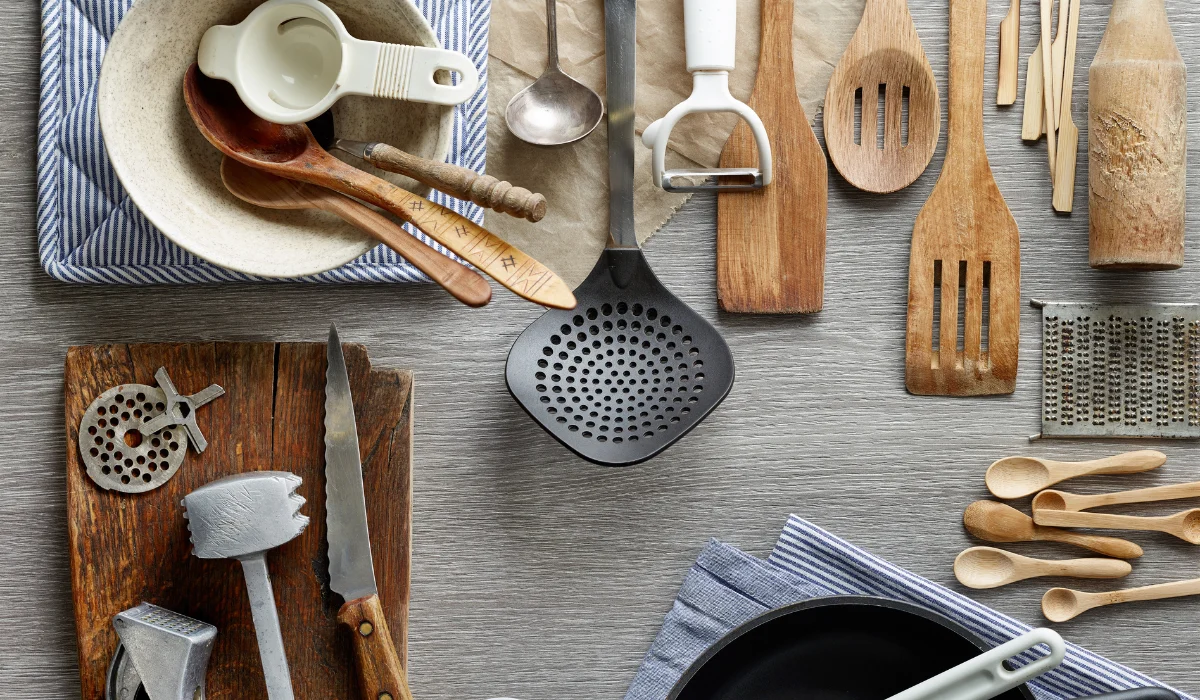
Maintaining a healthy lifestyle starts in the kitchen, and the utensils you choose play a significant role in this journey. Healthy cooking utensils are designed to minimize harmful chemical exposure, preserve nutrients, and enhance the overall cooking experience. Choosing the right materials can prevent unwanted toxins from leaching into food, ensuring every meal you prepare supports your health.
Moreover, high-quality utensils make cooking more efficient and enjoyable, encouraging a consistent habit of preparing wholesome meals at home.When selecting healthy cooking utensils, understanding the material composition is crucial. Stainless steel, ceramic, and high-grade silicone are popular choices because they are durable, non-reactive, and safe at high temperatures.
Avoid utensils coated with non-stick chemicals containing PFOA or PFAS, as these can release harmful substances during cooking. Additionally, wooden utensils made from sustainably sourced hardwood provide a natural, chemical-free alternative for stirring and serving. Investing in these materials not only promotes your health but also extends the longevity of your kitchen tools.
Benefits of Using Healthy Cooking Utensils

Using healthy cooking utensils offers multiple benefits that go beyond mere food preparation. These tools support better nutrition, reduce environmental impact, and enhance cooking performance. High-quality utensils prevent the degradation of essential nutrients during cooking, allowing meals to retain their natural flavors and health properties.
Moreover, using safe, non-toxic utensils reduces the risk of chemical ingestion, which can impact long-term health.Healthy utensils also promote mindful cooking habits. When you handle tools that are safe, comfortable, and efficient, you are more likely to experiment with fresh ingredients and diverse recipes.
This ultimately leads to more balanced meals, reduced reliance on processed foods, and a better understanding of ingredient quality. By combining safety, durability, and functionality, healthy utensils empower home cooks to maintain a nutritious lifestyle.
Top Materials for Safe Cooking Utensils
Choosing the right materials ensures your utensils support healthy cooking practices. Here are some popular, safe options:
-
Stainless Steel: Durable, non-reactive, and perfect for sautéing or boiling.
-
Ceramic: Chemical-free, heat-resistant, and ideal for baking or slow-cooking.
-
Silicone: Flexible, non-toxic, and safe for non-stick cookware.
-
Wood: Naturally anti-bacterial, excellent for stirring and serving.
-
Bamboo: Lightweight, sustainable, and suitable for non-stick surfaces.
These materials not only minimize harmful exposure but also offer versatility in the kitchen, making them indispensable for health-conscious cooking.
Must-Have Healthy Kitchen Utensils
Having the right utensils simplifies healthy meal preparation. Here are essential items every kitchen should have:
-
Chef’s knife: For precise chopping and slicing.
-
Cutting boards (wood or bamboo): Safe surfaces that preserve blade integrity.
-
Mixing bowls (stainless steel or glass): Ideal for combining ingredients.
-
Wooden spoons: Gentle on cookware, safe for high-heat cooking.
-
Silicone spatulas: Flexible and heat-resistant for sautéing or baking.
-
Measuring cups and spoons: Ensure accurate ingredient portions.
Investing in these utensils ensures every cooking session supports both your health and culinary creativity.
Maintaining Your Healthy Utensils
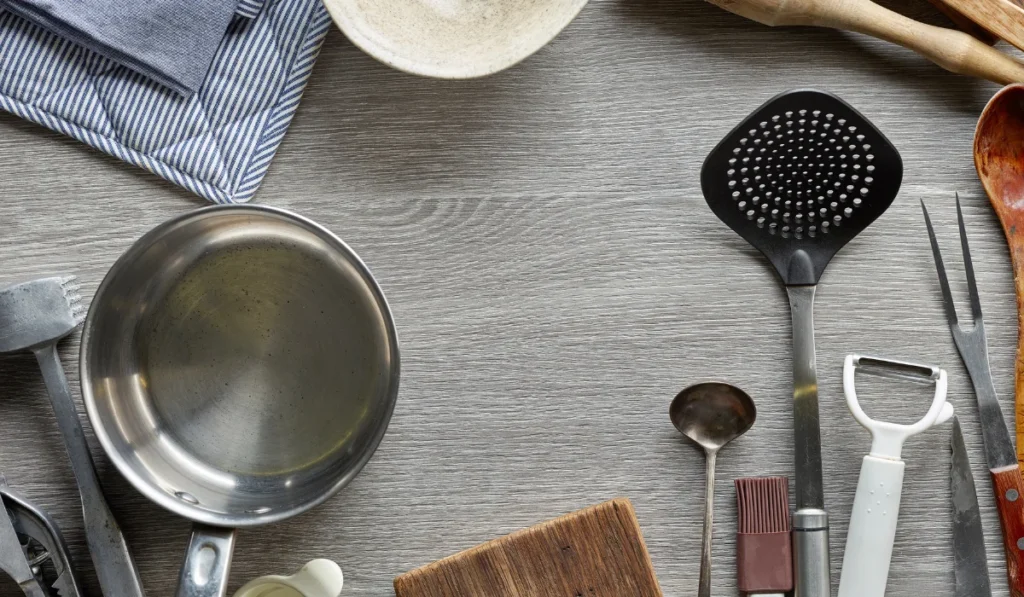
Proper care extends the life and safety of cooking tools. Always hand-wash wooden or bamboo utensils to prevent warping, and avoid harsh detergents that could strip protective finishes. Stainless steel and ceramic items are generally dishwasher-safe but still benefit from occasional hand-washing to maintain shine and durability. Regularly inspect utensils for cracks, discoloration, or peeling coatings, as these could compromise their safety.
Additionally, storing utensils properly such as keeping wooden spoons away from damp areas prevents mold growth and prolongs usability. By maintaining your utensils, you not only ensure health safety but also maximize performance and efficiency in the kitchen.
How Healthy Utensils Enhance Cooking Quality
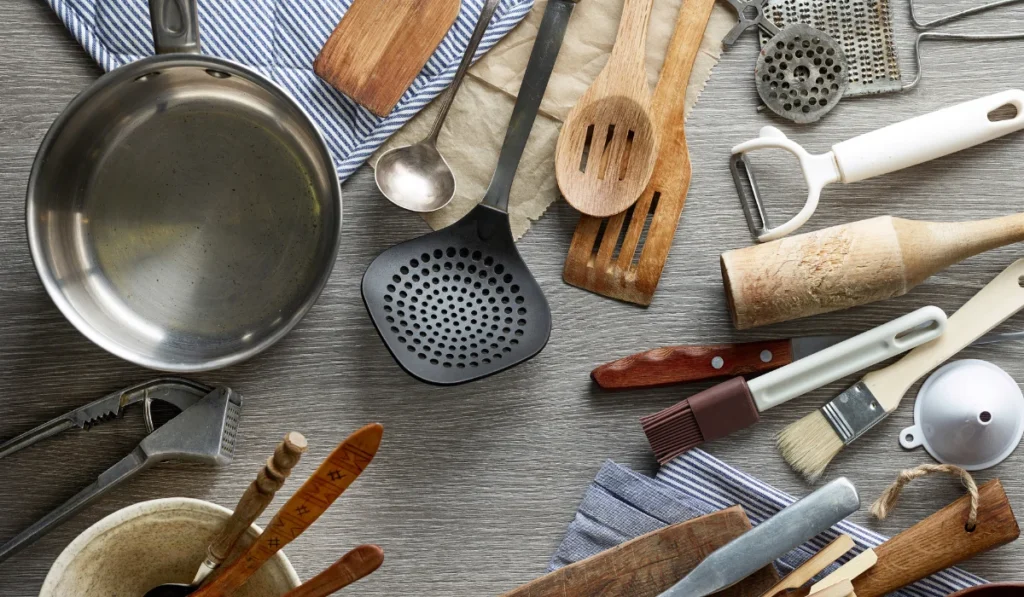
Healthy utensils improve cooking quality by preserving nutrient content, maintaining flavor integrity, and allowing precise temperature control. Unlike inferior or chemically treated tools, high-quality utensils do not react with acidic or hot ingredients, preventing metallic tastes or chemical contamination. For instance, using ceramic-coated pans instead of non-stick PFOA-laden pans ensures that delicate flavors in vegetables or sauces remain intact.
Furthermore, utensils designed for specific tasks like wooden spatulas for stirring soups or silicone scrapers for baking facilitate smoother cooking processes. With the right tools, even complex recipes become more manageable, resulting in meals that are both visually appealing and nutritionally superior.
Eco-Friendly Options for Conscious Cooking
Choosing eco-friendly utensils supports both personal health and environmental responsibility. For example, materials like bamboo and sustainably harvested wood reduce ecological impact while remaining durable and chemical-free. Additionally, replacing single-use plastic tools with reusable alternatives minimizes waste and exposure to harmful chemicals.
Benefits of eco-friendly utensils:
-
Reduced exposure to chemicals in plastics.
-
Long-lasting and durable kitchen tools.
-
Minimal environmental footprint.
-
Encourages sustainable cooking practices.
-
Adds natural aesthetic appeal to your kitchen.
Eco-conscious choices empower you to cook safely while contributing positively to the planet.
Choosing the Right Utensils for Different Cooking Styles
Different cooking styles require specific utensils to optimize both safety and taste. For high-heat stir-frying, stainless steel or silicone utensils prevent chemical leaching, while wooden spoons are perfect for gentle simmering and sauces. Baking often benefits from silicone spatulas and glass mixing bowls, which handle heat and acidity without affecting flavor.
Key tips for selecting utensils by cooking method:
-
Stir-Frying: Use stainless steel or high-heat silicone.
-
Boiling/Steaming: Stainless steel or bamboo is ideal.
-
Baking: Silicone spatulas and glass bowls maintain texture.
-
Sautéing: Wooden or silicone tools prevent scratching non-stick surfaces.
-
Serving: Bamboo or wooden utensils maintain natural taste.
By matching utensils to cooking styles, you ensure maximum health benefits, durability, and efficiency in your kitchen.
Tips for Long-Term Investment in Kitchen Health
Investing in high-quality utensils is not just about convenience; more importantly, it supports long-term health and safety. Additionally, they last longer, maintain performance, and protect food from contamination. Moreover, choosing utensils that balance ergonomics, durability, and material safety ensures healthier, more enjoyable cooking.
Long-term tips:
-
Prioritize materials that are non-reactive and durable.
-
Avoid cheap plastics and low-grade non-stick coatings.
-
Regularly replace worn or damaged utensils.
-
Focus on ergonomically designed tools for comfort.
-
Choose versatile utensils suitable for multiple cooking styles.
A mindful investment in kitchen utensils supports consistent healthy cooking habits, enhancing both taste and nutritional value.
FAQs
Q1: Are all non-stick pans unsafe?
Not all. Choose PFOA- and PFAS-free non-stick options, or consider ceramic-coated alternatives.
Q2: Can wooden utensils harbor bacteria?
When cleaned and dried properly, wooden utensils are naturally anti-bacterial and safe.
Q3: How often should I replace kitchen utensils?
Replace utensils showing cracks, discoloration, peeling coatings, or any signs of wear affecting safety.
Q4: Are silicone utensils safe for high-heat cooking?
Yes, high-quality silicone is heat-resistant and chemically inert, making it safe for cooking at high temperatures.
Conclusion
Healthy cooking utensils are essential for a nutritious lifestyle. Choosing the right tools preserves flavor and nutrients, as shown in our healthy Blackstone recipes that pair perfectly with safe cookware. Using quality utensils not only makes cooking easier but also more enjoyable.
In fact, they save time, while ensuring better results. Moreover, they reduce stress in the kitchen, and promote healthier meal preparation. Additionally, high-quality tools last longer, therefore offering better value. Consequently, they enhance both efficiency and satisfaction in cooking. You can explore more kitchen inspiration and tips here.
Healthy cooking utensils are essential for a nutritious lifestyle. Choosing the right tools preserves flavor and nutrients, as seen in our Blackened Chicken Salad recipe that pairs perfectly with safe cookware. Quality utensils also make cooking easier and more enjoyable.