

Healthier cooked vegetables are more than just a side dish they represent a powerful way to nourish the body with essential vitamins, minerals, and antioxidants. When vegetables are exposed to heat, their cellular structure softens, allowing the body to absorb nutrients more efficiently. This process helps unlock health-boosting compounds such as beta-carotene, lycopene, and lutein, which become more bioavailable after gentle cooking. As a result, incorporating cooked vegetables into everyday meals can significantly improve digestion, immunity, and overall wellness.
Although certain heat-sensitive vitamins may reduce slightly, proper cooking methods preserve most beneficial compounds. Techniques like steaming, blanching, and sautéing retain color, texture, and nutrients while adding depth and aroma. Even small decisions such as using minimal water or choosing cold-pressed oils can make cooked vegetables healthier. With the right approach, every meal becomes an opportunity to support long-term health through delicious, vibrant foods.
Why Cooking Method Matters for Vegetable Nutrition
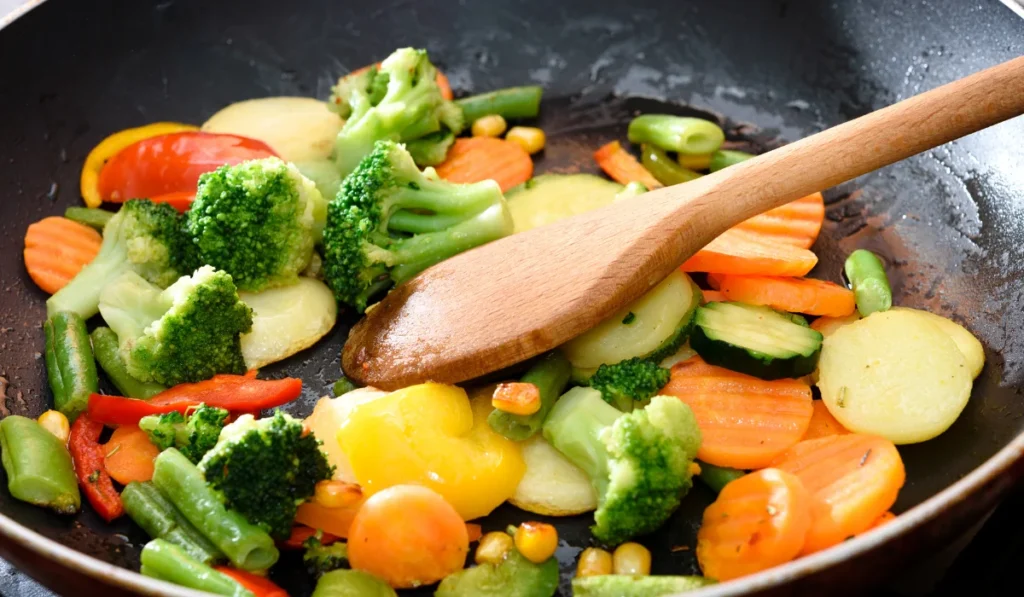
The method used to cook vegetables directly influences their nutritional value. Some techniques help maintain vitamins, while others may lead to unnecessary nutrient loss or excess calories. Steaming keeps vegetables crisp and nutrient-dense because it minimizes direct water contact.
Roasting enhances natural sweetness while maintaining fiber and antioxidants. Meanwhile, quick sautéing helps preserve color and texture, especially when done with a small amount of healthy fat. Different vegetables respond uniquely to heat. Root vegetables often require longer cooking to release natural sweetness and soften fibers.
In contrast, leafy greens cook quickly and retain more nutrients with gentle heat. Understanding these differences helps you choose the right method for each vegetable. By being mindful of technique, you can create meals that support overall health without sacrificing taste or convenience.
Smart Cooking Hacks for Maximum Nutrition
Maintaining nutrient density in cooked vegetables can be simple when you use a few strategic techniques. These tips help ensure that each meal delivers maximum flavor and health benefits.
-
Use minimal water to avoid nutrient loss.
-
Opt for steaming or air-frying to reduce unnecessary fats.
-
Cut vegetables evenly to promote uniform cooking.
-
Enhance antioxidant value with herbs such as basil or thyme.
-
Include small amounts of healthy oil to boost absorption of fat-soluble vitamins.
Flavor-Boosting Techniques for Everyday Vegetable Dishes
Many people assume vegetables lack flavor, but the right techniques can transform them into irresistible dishes. Simple additions create depth, aroma, and balance without overwhelming natural taste.
-
Roast vegetables with garlic, paprika, or lemon zest.
-
Add tamari alternatives to create umami richness without overpowering sodium.
-
Toss cooked vegetables with fresh herbs immediately for brightness.
-
Add citrus juices to elevate sweetness and freshness.
-
Sprinkle nuts or seeds for crunch and healthy fats.
Cultural Approaches to Cooking Vegetables for Wellness
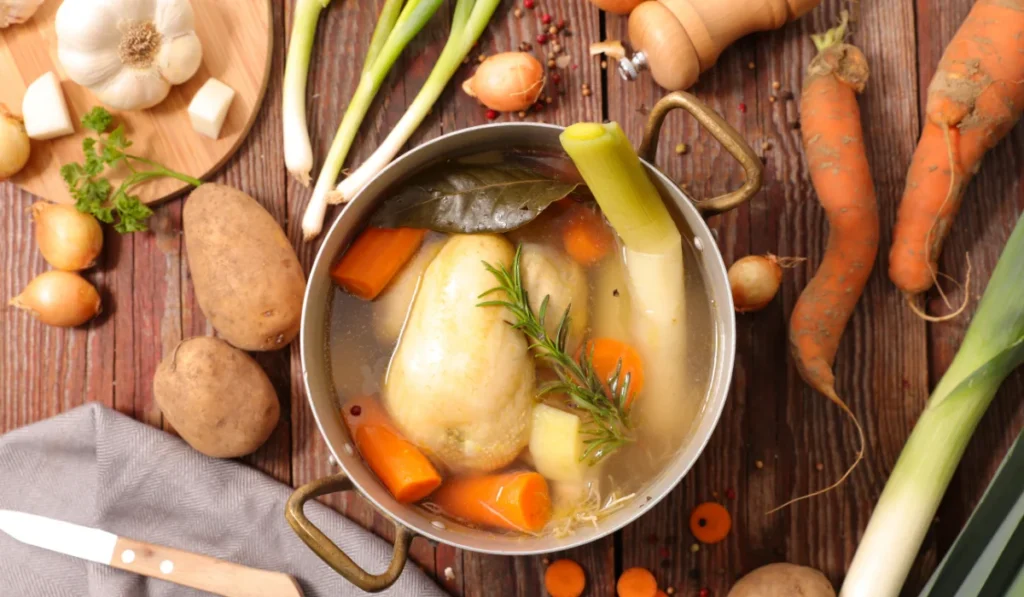
Across the world, cultural cooking traditions offer unique ways to prepare vegetables while preserving nutrition. Mediterranean cuisines use gentle sautéing with olive oil and herbs, while East Asian methods rely on quick stir-frying to maintain color, crispness, and antioxidant value.
Vegetables harvested at peak ripeness contain higher vitamin levels, and cooking them lightly helps maintain their natural integrity. These practices demonstrate that healthy eating can be both delicious and culturally enriching, encouraging experimentation and discovery in the kitchen.
The Role of Portion Balance in a Vegetable-Focused Diet
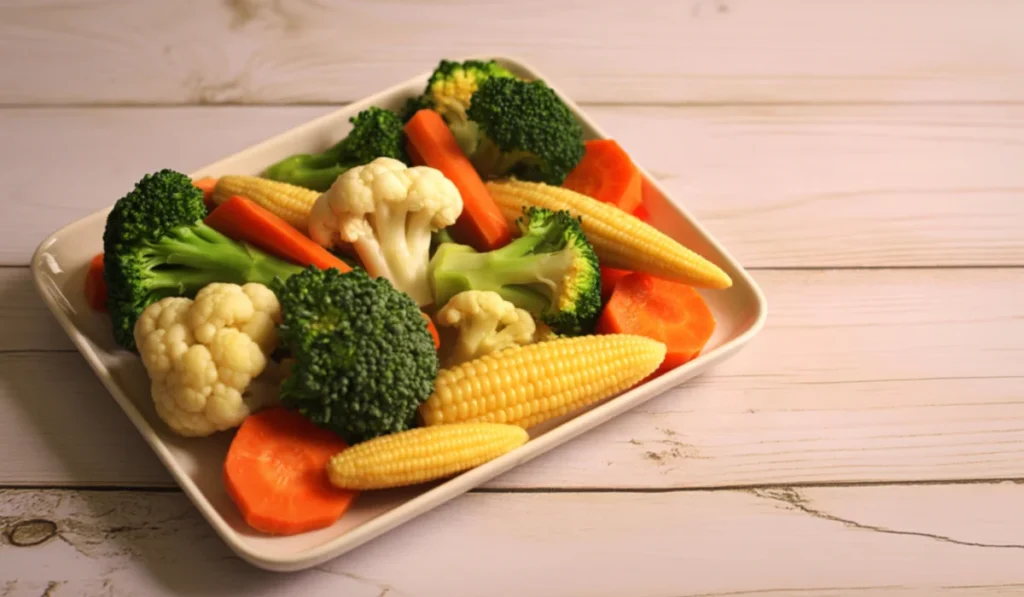
A vegetable-focused diet strengthens digestion, energy, and overall health, but portion balance is key. Filling half your plate with different vegetables ensures a full spectrum of nutrients while supporting sustainable eating habits. Combining cooked vegetables with lean proteins and whole grains stabilizes blood sugar and promotes steady energy throughout the day.
Cooked vegetables are especially beneficial for individuals who struggle with digesting raw foods. The soft texture helps ease digestion, reducing bloating and discomfort. When combined with fermented foods or fiber-rich grains, cooked vegetables contribute to a balanced gut environment. Keeping this variety in daily meals encourages long-term adherence to a healthy lifestyle without feeling restrictive.
Travel Inspiration: Global Food Culture and Better Vegetable Habits
Exploring new destinations often introduces travelers to vegetable-rich cuisines, inspiring healthier eating back home. Experiencing fresh, colorful dishes in different regions even when enjoying the food experiences connected to Hamburg places to visit opens the door to new flavor profiles and cooking techniques. Exposure to diverse ingredients allows people to rethink how they prepare vegetables in their own kitchens.
-
Local markets highlight seasonal and fresh produce.
-
Traditional meals often emphasize balance and moderation.
-
Many cultures rely on vegetables as the foundation of daily nutrition.
-
Simple cooking styles showcase natural flavors.
-
Food exploration encourages creativity with vegetables at home.
Everyday Meal Ideas for Healthier Cooked Vegetables
Elevating your daily meals with cooked vegetables becomes easier when you have simple, flexible dish ideas. These options fit various dietary needs while encouraging consistent, nutritious eating habits.
-
Lightly steamed greens with lemon and a pinch of sea salt.
-
Roasted mixed vegetables seasoned with herbs and olive oil.
-
Stir-fried vegetables with ginger, garlic, and a light glaze.
-
Warm vegetable soups blended for a creamy, dairy-free texture.
-
Sautéed zucchini and mushrooms enhanced with balsamic notes.
FAQs
Do cooked vegetables lose nutrients?
Some nutrients reduce slightly, but many antioxidants become more absorbable after cooking.
Is steaming better than boiling?
Yes. Steaming preserves vitamins and keeps vegetables crisp and flavorful.
Are cooked vegetables easier to digest?
Absolutely. Heat softens fibers, making them gentler on the stomach.
Does adding oil improve nutrition?
A small amount of healthy fat boosts absorption of vitamins A, D, E, and K.
How can I make cooked vegetables taste better?
Use herbs, spices, citrus, or light roasting to enhance natural flavors.
Conclusion:Healthier Cooked Vegetables
Healthier cooked vegetables offer a powerful way to enjoy nutrient-dense meals that support energy, digestion, and wellness. Pair them with lean proteins like turkey pepperoni for flavorful, balanced dishes. Incorporating seasonal produce further boosts nutrition and taste.
Simple flavor boosters, cultural inspiration, and mindful preparation make vegetables more enjoyable and accessible. For example, exploring healthy zucchini recipes can inspire new ways to make your meals more colorful and nourishing. With consistent habits, your meals become more satisfying, ultimately contributing to long-term health and improved well-being.