Sensitive skin needs extra care when choosing sunscreen. Ingredients, fragrance, texture, and the type of UV filters used can all influence how your skin responds. Fortunately, many sunscreens are specifically formulated for delicate skin, offering broad-spectrum protection while helping minimize irritation.
Whether you have dry, oily, acne-prone, or easily irritated skin, choosing the right sunscreen can make a significant difference in your daily skincare routine.
In this guide, we explore five popular sunscreen options, important ingredients to look for, and practical tips for choosing a gentle formula that suits your skin.
Why Choosing the Right Sunscreen Matters
Sunscreen is one of the most important steps in a daily skincare routine. It helps protect your skin from harmful ultraviolet (UV) radiation, which can cause sunburn, premature aging, dark spots, and increase the risk of skin cancer.
For people with sensitive skin, choosing the wrong formula can lead to additional problems. Fragrances, certain preservatives, and some sunscreen filters may trigger irritation or allergic reactions in susceptible individuals. Choosing gentle, suitable products, such as those featured in our guide to the best skincare products for dry skin, can help support a more comfortable skincare routine.
The right sunscreen should provide effective sun protection while remaining comfortable on your skin.
Here are some important benefits of using a suitable sunscreen:
-
Reduces sun damage: Helps protect your skin against harmful UVA and UVB rays.
-
Prevents sunburn: Reduces the likelihood of painful redness and burning caused by UV exposure.
-
Helps prevent premature aging: Supports protection against sun-related wrinkles and dark spots.
-
Supports an even complexion: Helps reduce UV-related pigmentation and discoloration.
-
Protects sensitive skin: A suitable gentle formula can provide daily protection without unnecessary irritation.
Five Popular Sunscreens for Sensitive Skin
Finding the best sunscreen for sensitive skin becomes easier when you compare products based on their ingredients, SPF rating, texture, and intended skin type.
Here are five popular options worth considering.
1. CeraVe Hydrating Mineral Sunscreen SPF 50
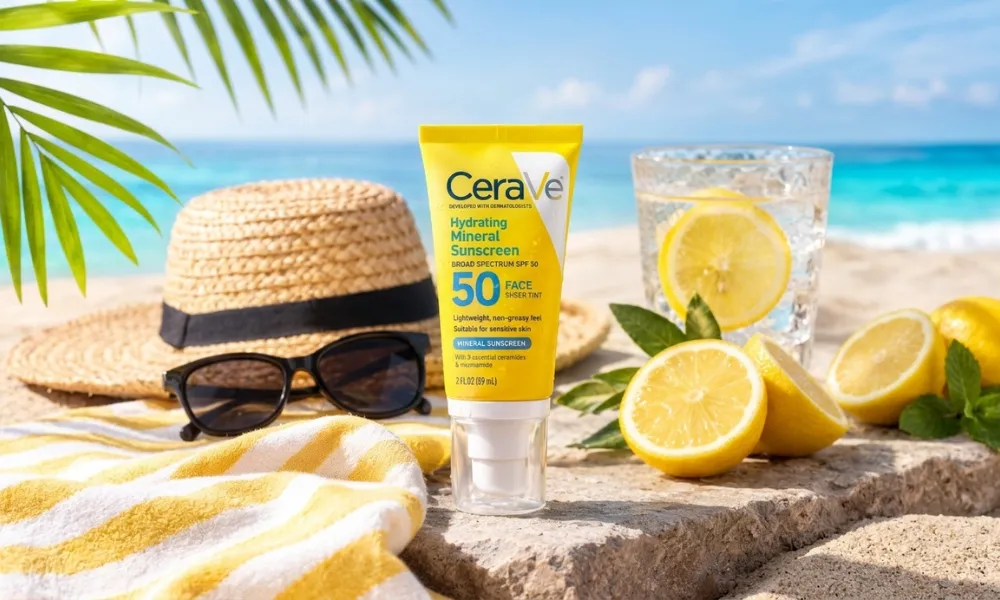
is a mineral sunscreen designed to provide broad-spectrum protection while supporting skin hydration. Its mineral filters include zinc oxide and titanium dioxide.
Key Features:
-
Mineral-based sun protection.
-
SPF 50 broad-spectrum protection.
-
Ceramides to support the skin barrier.
-
Fragrance-free formulation.
-
Hydrating cream texture.
Why Consider It: This sunscreen is worth considering if you have dry or sensitive skin and prefer a moisturizing mineral formula.
2. La Roche-Posay Anthelios Mineral Sunscreen SPF 50
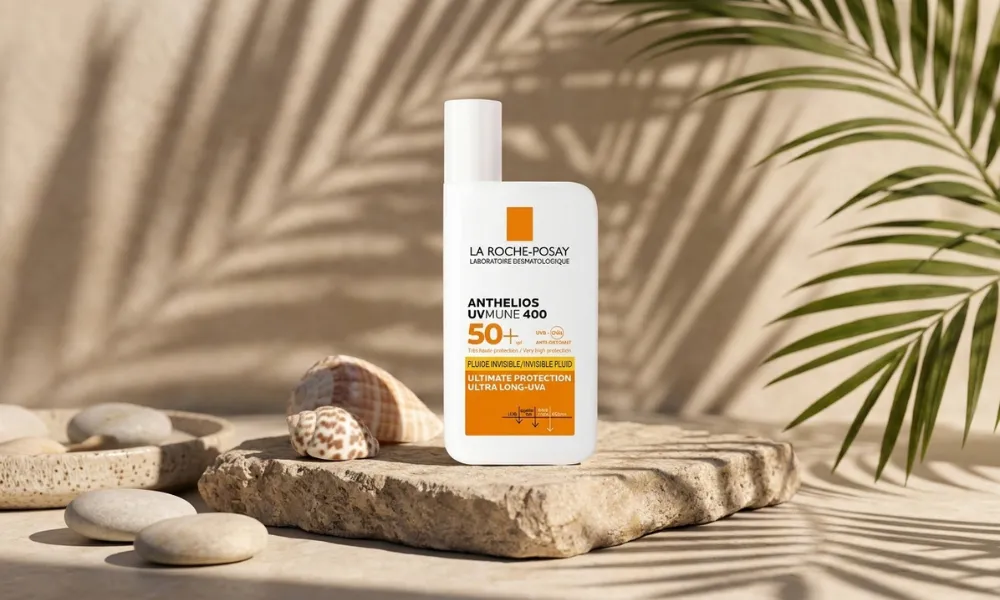
La Roche-Posay Anthelios Mineral Sunscreen SPF 50 is another option for people who prefer mineral-based sun protection. Depending on the specific version, it may contain zinc oxide and titanium dioxide.
Key Features:
-
Mineral UV filters.
-
Broad-spectrum SPF 50 protection.
-
Options designed for sensitive skin.
-
Lightweight formulations in selected versions.
-
Some versions offer tinted finishes.
Why Consider It: It is a useful option to explore if you want mineral sun protection from an established skincare brand.
3. EltaMD UV Physical SPF 41
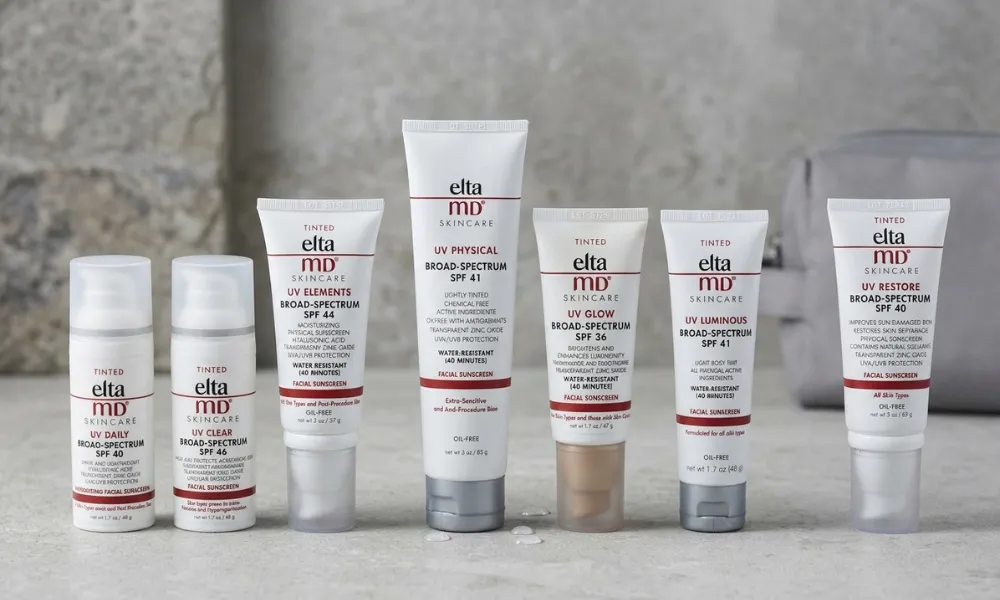
EltaMD UV Physical SPF 41 is a tinted mineral sunscreen designed for daily facial protection. Its formula combines zinc oxide and titanium dioxide.
Key Features:
-
SPF 41 protection.
-
Mineral sunscreen filters.
-
Tinted finish.
-
Designed for facial use.
-
Water-resistant for up to 40 minutes.
Why Consider It: The tinted formula may be appealing if you want to minimize the appearance of white residue from mineral sunscreen.
4. Blue Lizard Sensitive Mineral Sunscreen SPF 50+
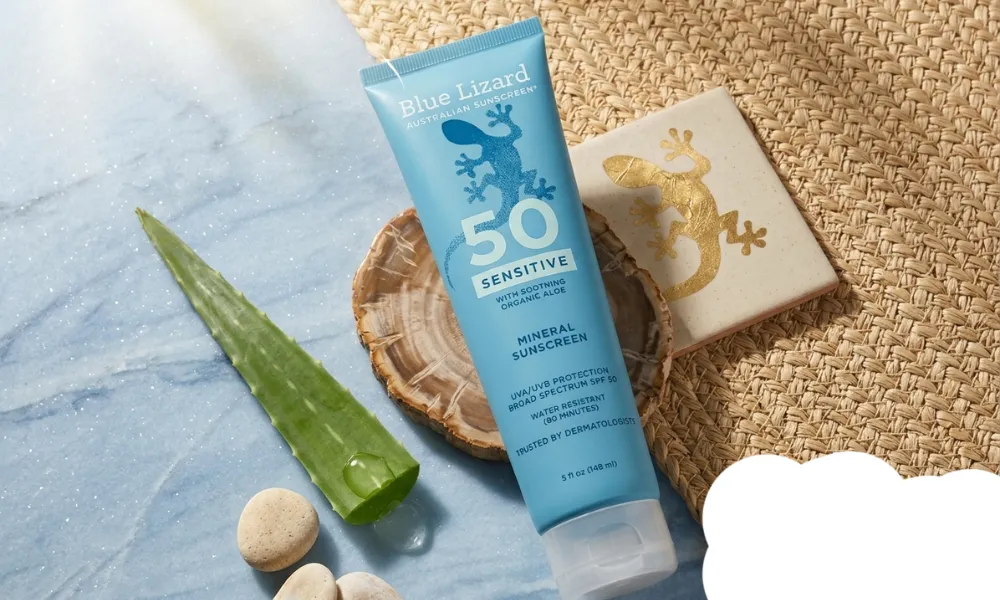 Blue Lizard Sensitive Mineral Sunscreen SPF 50+ is designed for people who prefer mineral sun protection and a straightforward skincare formula.
Key Features:
-
Zinc oxide and titanium dioxide.
-
SPF 50+ protection.
-
Broad-spectrum coverage.
-
Sensitive-skin-focused formulation.
-
Water-resistant protection, depending on the product version.
Why Consider It: It is worth considering for people who spend time outdoors and want a mineral sunscreen designed with sensitive skin in mind.
5. Vanicream Facial Moisturizer SPF 30
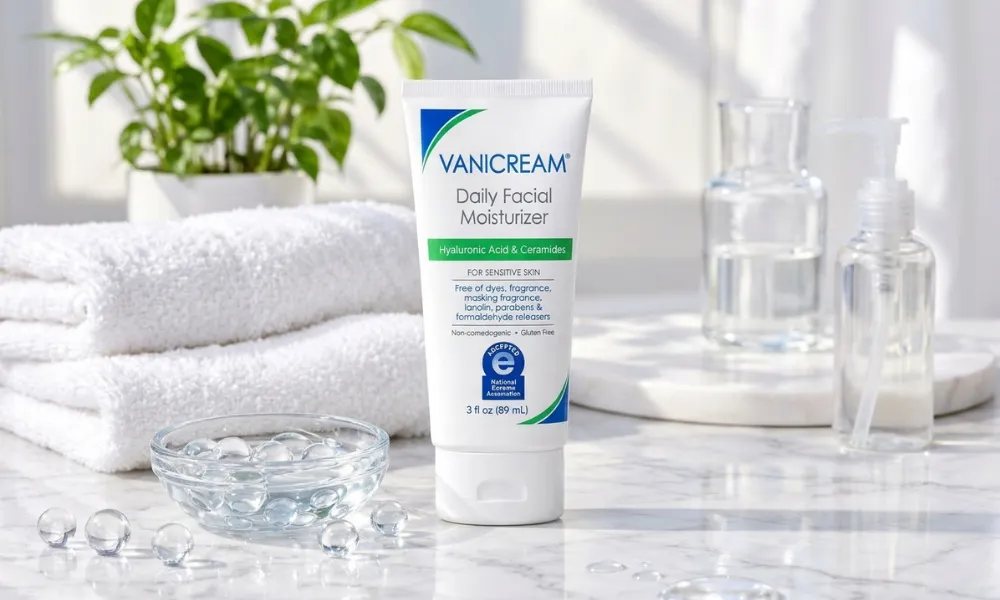
Vanicream Facial Moisturizer SPF 30 combines daily facial moisturization with mineral sun protection. It is designed for people who prefer simple skincare formulations.
Key Features:
-
SPF 30 protection.
-
Zinc oxide mineral filter.
-
Fragrance-free formulation.
-
Moisturizing facial formula.
-
Designed for sensitive skin.
Why Consider It: It may suit people looking for a straightforward daily moisturizer and sunscreen combination.
Product formulations, SPF ratings, and availability can vary by country and product version. Always check the packaging and ingredient list before purchasing.
Important Ingredients to Look for in Sunscreen
When shopping for sunscreen, understanding the ingredients can help you avoid unnecessary irritation and choose a formula that suits your skin.
Zinc Oxide
Zinc oxide is a mineral UV filter commonly found in sunscreens designed for sensitive skin. It provides protection against both UVA and UVB radiation and is generally well tolerated.
Titanium Dioxide
Titanium dioxide is another mineral sunscreen ingredient. It helps protect the skin against UV radiation and is frequently used in gentle sunscreen formulations.
Ceramides
Ceramides help maintain the skin’s natural protective barrier. Sunscreens containing ceramides may be particularly useful if your skin is dry or prone to irritation.
Hyaluronic Acid
Hyaluronic acid is a moisturizing ingredient that helps attract and retain water in the skin. It can make sunscreen more comfortable for people experiencing dryness.
Glycerin
Glycerin is a humectant that helps maintain skin hydration. It is commonly included in moisturizing sunscreen formulas.
Ingredients Sensitive Skin Should Be Careful With
Not every sunscreen ingredient works equally well for everyone. If your skin is easily irritated, pay attention to the following:
-
Fragrance: Added fragrance can trigger irritation or allergic reactions in some individuals.
-
Essential oils: Certain essential oils may cause sensitivity, especially in reactive skin.
-
Oxybenzone: Some people experience allergic contact reactions to this UV filter.
-
Harsh alcohols: Certain alcohol-based formulations may feel drying or uncomfortable.
-
Potential allergens: Preservatives and other ingredients can trigger reactions depending on individual sensitivities.
Remember that not every ingredient in this list will cause problems for everyone. Your personal skin response matters more than a general ingredient blacklist.
Mineral vs. Chemical Sunscreen: Which Is Better for Sensitive Skin?
One of the most common questions when choosing sunscreen is whether mineral or chemical formulas are better.
Both types can provide effective sun protection when properly formulated and applied. However, they differ in their active ingredients.
| Feature | Mineral Sunscreen | Chemical Sunscreen |
|---|---|---|
| Main ingredients | Zinc oxide and titanium dioxide | Organic UV filters |
| Skin feel | Can feel thicker | Often feels lighter |
| White cast | More common | Usually less noticeable |
| Sensitive skin | Often a good starting choice | Depends on individual tolerance |
| Texture | Creamy or mineral-based | Lotion, gel, or fluid |
Which should you choose?
Mineral sunscreen is often a good starting point if your skin is particularly sensitive or tends to sting when sunscreen is applied.
However, chemical sunscreens are not automatically unsuitable. If your skin tolerates a particular formula comfortably, it can also provide effective protection.
The most important thing is selecting a sunscreen with broad-spectrum protection, SPF 30 or higher, and water resistance.
How to Choose Sunscreen Based on Your Skin Type
Sensitive skin can also be dry, oily, combination, or acne-prone. Choosing a formula that matches your skin type can improve comfort and consistency.
For Dry and Sensitive Skin
Look for moisturizing sunscreens containing glycerin, ceramides, or hyaluronic acid. Cream-based mineral formulas can be a suitable choice.
For Oily and Sensitive Skin
Choose lightweight, oil-free, and non-comedogenic formulas. These products can provide sun protection without feeling excessively heavy.
For Acne-Prone and Sensitive Skin
Look for non-comedogenic sunscreens that are less likely to clog pores. Lightweight lotions and fluid formulations may feel more comfortable.
For Extremely Sensitive Skin
Consider fragrance-free mineral sunscreens containing zinc oxide or titanium dioxide. Introduce new products gradually and perform a patch test before applying them to your entire face.
For Sensitive Skin With Dark Spots
A tinted sunscreen containing iron oxides may be worth considering. Tinted formulas can help protect against visible light, which can contribute to pigmentation, particularly in darker skin tones.
How to Apply Sunscreen Correctly
Even the best sunscreen for sensitive skin will not provide its intended protection if you do not apply enough or reapply it regularly.
Follow these simple steps:
-
Start with clean skin: Wash your face using a gentle cleanser.
-
Apply moisturizer: If your skin needs additional hydration, use a suitable moisturizer.
-
Apply sunscreen generously: Cover your face, neck, ears, and other exposed areas.
-
Apply before sun exposure: Follow the product label’s instructions for application timing.
-
Reapply regularly: Reapply approximately every two hours when outdoors.
-
Reapply after swimming or sweating: Follow the water-resistance instructions on the packaging.
-
Use sunscreen daily: Include it in your morning skincare routine, even on cloudy days.
You can also combine sunscreen with protective clothing, sunglasses, and shade to reduce overall sun exposure.
Common Sunscreen Mistakes to Avoid
Some everyday habits can reduce the effectiveness of your sun protection.
Avoid these common mistakes:
-
Applying too little sunscreen: Insufficient application can significantly reduce the protection you receive.
-
Skipping sunscreen on cloudy days: UV radiation can still reach your skin when the sky is overcast.
-
Forgetting your neck and ears: These areas are frequently exposed to sunlight.
-
Ignoring expiration dates: Expired sunscreen may not provide the expected protection.
-
Not reapplying: Sunscreen needs regular reapplication, particularly when spending time outdoors.
-
Choosing products based only on SPF: Broad-spectrum protection and water resistance are also important.
-
Ignoring irritation: Stop using a product that causes a reaction and seek professional advice if symptoms persist.
Frequently Asked Questions
What is the best sunscreen for sensitive skin?
Mineral sunscreens containing zinc oxide or titanium dioxide are often good starting options for sensitive skin. Look for fragrance-free, broad-spectrum formulas with SPF 30 or higher.
Is SPF 50 better for sensitive skin?
SPF 50 provides greater UVB protection than SPF 30 when both are properly applied. However, the SPF number does not determine whether a formula will irritate your skin. Choose a formulation that your skin tolerates.
Can sensitive skin use chemical sunscreen?
Yes. Sensitive skin can tolerate some chemical sunscreens. However, if you experience stinging or irritation, consider trying a fragrance-free mineral formula.
Should I use sunscreen every day?
Yes. Daily sunscreen use helps protect exposed skin against harmful UV radiation, even when the weather is cloudy.
Is mineral sunscreen better for sensitive skin?
Mineral sunscreen is often recommended as a starting option because zinc oxide and titanium dioxide are generally well tolerated. However, individual reactions can vary.
Can sunscreen cause breakouts?
Some sunscreen formulations may clog pores or feel too heavy for acne-prone skin. Look for products labeled non-comedogenic and choose a texture that suits your skin type.
How often should I reapply sunscreen?
Reapply approximately every two hours when outdoors, and after swimming, sweating, or towel drying. Follow the product’s water-resistance instructions.
Conclusion
Finding the best sunscreen for sensitive skin requires more than choosing a high SPF number. You should also consider ingredients, texture, fragrance, and how comfortably the formula works with your skin.
Mineral sunscreens containing zinc oxide or titanium dioxide are often excellent starting options for people who experience irritation with other formulas. Products from CeraVe, La Roche-Posay, EltaMD, Blue Lizard, and Vanicream offer different approaches to everyday sun protection.
Ultimately, choose a broad-spectrum sunscreen with SPF 30 or higher that suits your skin type and does not cause irritation. Make sunscreen a consistent part of your skincare routine, and combine it with other sun-protection habits for healthier-looking skin. Maintaining good daily hygiene also matters, so consider choosing the best toothbrush to support your oral care routine.