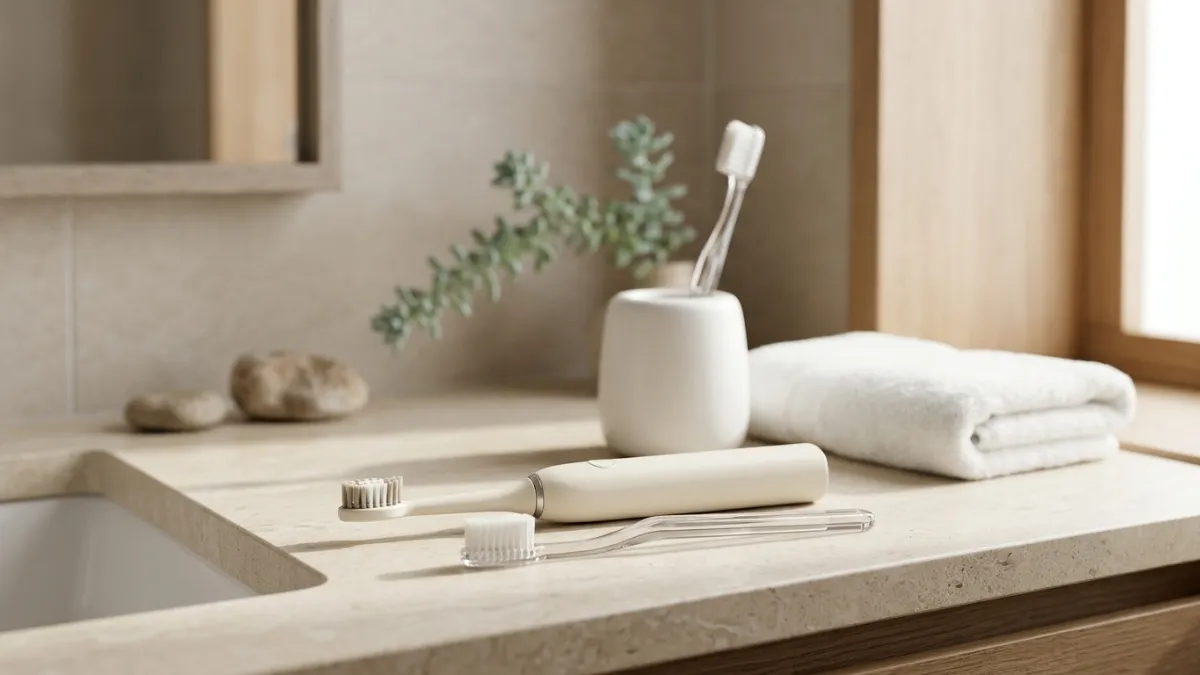
Choosing the best toothbrush is an important step toward maintaining healthy teeth, fresh breath, and strong gums. Although brushing twice a day is essential for good oral hygiene, the toothbrush you use can make a significant difference in how effectively you remove plaque and protect your teeth. With so many options available, including manual toothbrushes, electric models, soft-bristle brushes, and advanced sonic toothbrushes, finding the right one can feel overwhelming.
The ideal toothbrush should clean your teeth thoroughly without irritating your gums or damaging your enamel. Whether you prefer a traditional manual brush or want to upgrade to an electric model, understanding the available options can help you make a confident decision.
In this guide, we explore different types of toothbrushes, important features to consider, and some popular options worth considering for your daily oral care routine.
Why Choosing the Best Toothbrush Matters
A toothbrush does more than simply clean the visible surfaces of your teeth. It helps remove plaque, food particles, and bacteria that can contribute to cavities, gum disease, and unpleasant breath.
Using an unsuitable toothbrush may lead to ineffective cleaning or unnecessary irritation. For example, hard bristles can wear down enamel and irritate gum tissue, particularly when combined with excessive brushing pressure.
The right toothbrush offers several benefits:
- Effective plaque removal: Helps clean tooth surfaces and reduce plaque buildup.
- Healthier gums: Soft bristles gently clean around the gumline.
- Better oral hygiene: Supports a consistent daily brushing routine.
- Improved accessibility: Smaller brush heads can reach difficult areas.
- Greater comfort: An ergonomic handle makes brushing easier.
Different Types of Toothbrushes
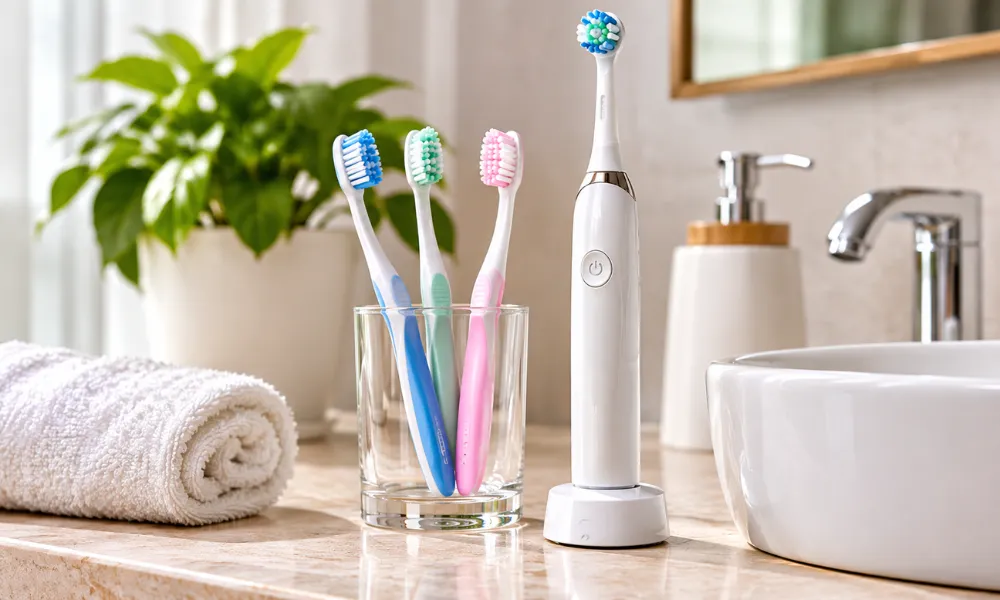
Before selecting the best toothbrush, it helps to understand the main types available.
Manual Toothbrushes
Manual toothbrushes remain a popular and affordable choice. They are easy to use, widely available, and do not require batteries or charging.
A good manual toothbrush with soft bristles and a comfortable handle can provide excellent cleaning when used correctly.
Best for: People who prefer a simple, affordable oral care option.
Electric Toothbrushes
Electric toothbrushes use powered movements to clean teeth. Depending on the model, their brush heads may rotate, oscillate, or vibrate.
Many models include built-in timers and pressure sensors, helping users maintain better brushing habits.
Best for: People who want additional brushing assistance or struggle with consistent brushing technique.
Sonic Toothbrushes
Sonic toothbrushes use high-frequency vibrations to create rapid brush-head movements. These movements help disrupt plaque along tooth surfaces and around the gumline.
Some models also offer multiple cleaning modes and smart brushing features.
Best for: People interested in advanced brushing technology and additional cleaning features.
Battery-Powered Toothbrushes
Battery-powered toothbrushes offer some electric brushing assistance without the higher cost of premium rechargeable models.
They are generally lightweight and convenient for travel.
Best for: People looking for a budget-friendly alternative to rechargeable electric toothbrushes.
Four Popular Toothbrushes Worth Considering
If you are searching for the best toothbrush, comparing established brands and their features can make the decision easier. Here are five popular options to explore.
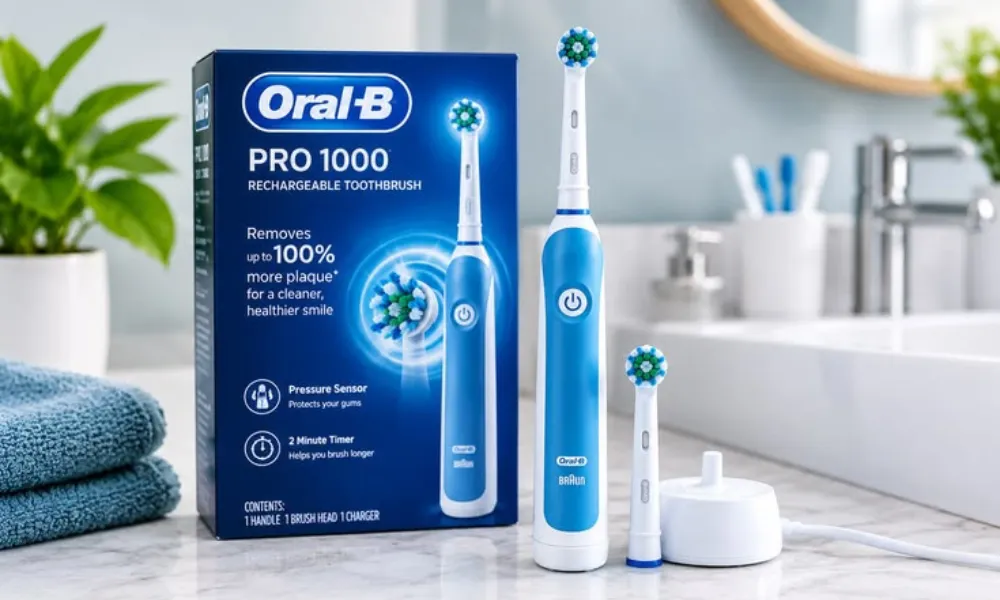
The Oral-B Pro 1000 is a popular electric toothbrush designed for everyday cleaning. Its round brush head uses oscillating and rotating movements to clean individual teeth.
Key Features:
- Pressure sensor to help protect gums.
- Built-in two-minute brushing timer.
- Rechargeable battery.
- Round brush-head design.
Why Consider It: It offers essential electric brushing features without requiring the expense of a premium smart toothbrush.
Philips Sonicare ProtectiveClean 4100
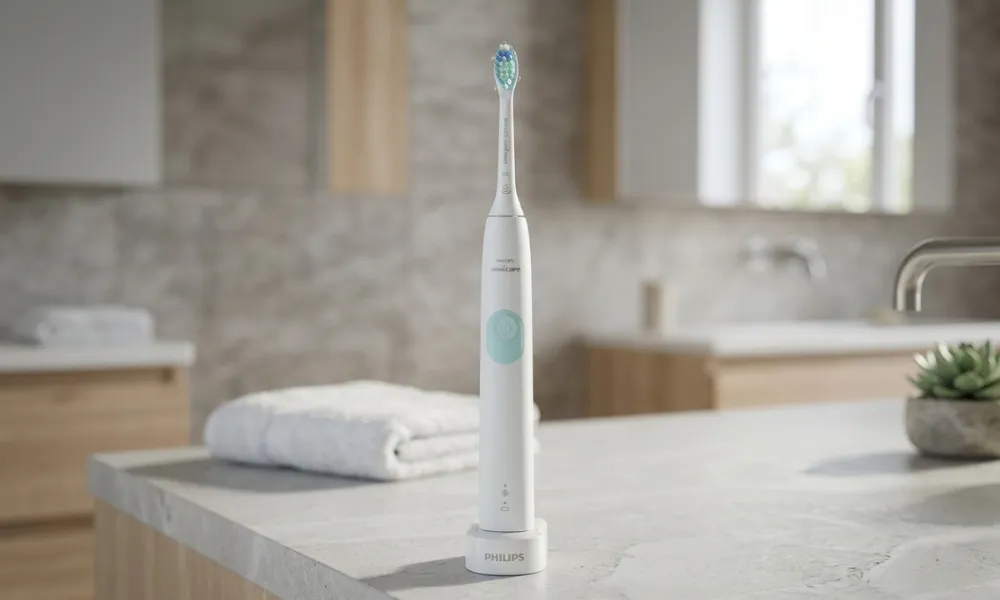
The Philips Sonicare ProtectiveClean 4100 is designed for people who prefer sonic brushing technology. It uses high-frequency vibrations to help remove plaque while providing a gentle brushing experience.
Key Features:
- Pressure sensor.
- Two-minute Smartimer.
- BrushSync replacement reminder.
- Sonic cleaning technology.
Why Consider It: Its combination of gentle cleaning assistance and useful reminders makes it an appealing everyday option.
Colgate 360 Advanced Whitening Toothbrush
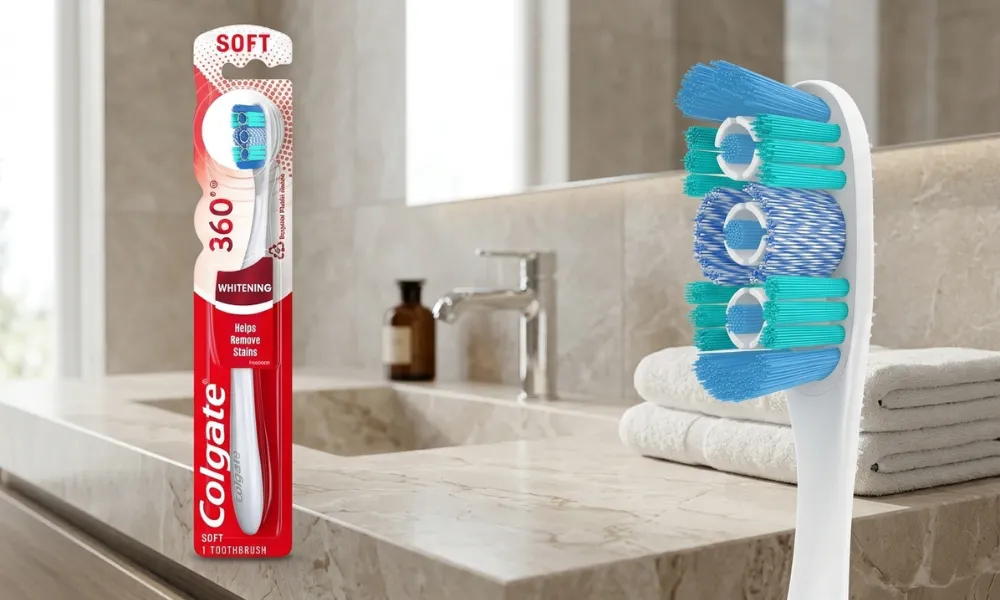
For people who prefer manual brushing, the Colgate 360 Advanced Whitening Toothbrush offers a practical everyday option.
Its multi-level bristles and cheek-and-tongue cleaner are designed to support more complete oral hygiene.
Key Features:
- Multi-level bristle design.
- Cheek and tongue cleaner.
- Comfortable handle.
- Manual brushing control.
Why Consider It: It provides a straightforward approach to daily cleaning without requiring charging or batteries.
Curaprox CS 5460 Ultra Soft Toothbrush
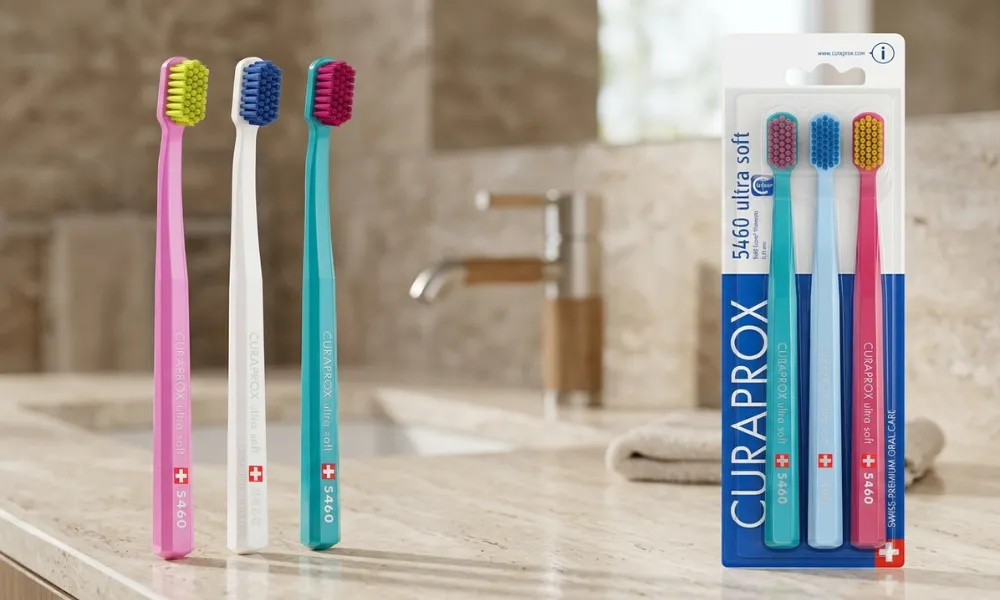
The Curaprox CS 5460 is known for its exceptionally soft, dense bristles. It is designed to provide gentle cleaning while reaching around tooth surfaces and the gumline.
Key Features:
- 5,460 ultra-soft Curen filaments.
- Compact brush head.
- Gentle cleaning action.
- Ergonomic octagonal handle.
Why Consider It: It is an interesting option for people who prioritize gentle brushing and gum comfort.
Note: Product availability, specifications, and prices can vary by retailer and region. Always check the exact model before purchasing.
Important Features to Look for in the Best Toothbrush
Not every toothbrush offers the same cleaning experience. Before buying one, consider these important features.
Soft Bristles
Soft-bristled toothbrushes are generally recommended by dental professionals because they clean effectively while reducing the risk of gum irritation and enamel wear.
Unless your dentist recommends otherwise, avoid hard-bristled toothbrushes.
Comfortable Handle
A comfortable, non-slip handle makes brushing easier and gives you better control over movement and pressure.
This is particularly useful when cleaning the back teeth and reaching different areas of your mouth.
Appropriate Brush Head Size
A smaller brush head can make it easier to reach molars and other difficult areas. Choose a size that comfortably fits your mouth.
Pressure Sensor
Some electric toothbrushes include pressure sensors that alert you when you brush too forcefully.
This feature can be helpful for people who tend to apply excessive pressure.
Built-In Timer
Dentists generally recommend brushing for two minutes twice daily. A built-in timer can help you maintain the recommended brushing duration.
Battery Life
If you choose a rechargeable electric toothbrush, consider its battery life and charging convenience. Frequent travelers may prefer a model that holds its charge for several days or longer.
Manual vs. Electric Toothbrush: Which Is Better?
Both manual and electric toothbrushes can effectively clean teeth when used correctly. However, they offer different advantages.
| Feature | Manual Toothbrush | Electric Toothbrush |
|---|---|---|
| Price | Usually affordable | Generally more expensive |
| Ease of use | Requires manual movement | Powered brushing assistance |
| Cleaning | Effective with proper technique | Can make brushing easier |
| Timer | Usually not included | Available on many models |
| Pressure sensor | Not typical | Available on selected models |
| Travel convenience | Very convenient | Depends on battery and charger |
Which should you choose?
A manual toothbrush is an excellent choice if you have good brushing technique and want an affordable option. An electric toothbrush may be more convenient if you have difficulty brushing consistently or need assistance controlling brushing pressure.
The most important factor is maintaining proper brushing habits rather than choosing the most expensive toothbrush.
How Often Should You Replace Your Toothbrush?
Even the best toothbrush eventually becomes less effective as its bristles wear down.
The American Dental Association recommends replacing your toothbrush approximately every three to four months, or sooner if the bristles become frayed. Alongside good oral hygiene, maintaining a consistent skincare routine with suitable products, such as the best skincare products for dry skin, can help support your overall personal care.
Consider replacing your toothbrush when:
- The bristles become bent or damaged.
- The brush no longer cleans comfortably.
- The bristle tips appear noticeably worn.
- You have used the same brush for more than four months.
For electric toothbrushes, replace the brush head according to the manufacturer’s recommendations, generally every three months.
Tips for Getting the Most Out of Your Toothbrush
Buying a quality toothbrush is only one part of maintaining good oral hygiene. Your brushing technique matters just as much.
Follow these practical tips:
- Brush twice daily: Clean your teeth in the morning and before bedtime.
- Brush for two minutes: Divide your mouth into four sections and spend approximately 30 seconds on each.
- Use gentle pressure: Avoid scrubbing aggressively, as excessive pressure can irritate gums.
- Clean every surface: Brush the outer, inner, and chewing surfaces of your teeth.
- Brush along the gumline: Pay attention to areas where plaque commonly accumulates.
- Clean your tongue: Gently clean your tongue to help remove bacteria that contribute to bad breath.
- Store your toothbrush properly: Rinse it thoroughly and allow it to air-dry in an upright position.
You should also floss daily and visit your dentist regularly for professional advice and preventive care.
Frequently Asked Questions
What is the best toothbrush for everyday use?
A soft-bristled toothbrush with a comfortable handle and appropriately sized head is an excellent choice for everyday use. Both manual and electric models can work effectively.
Are electric toothbrushes better than manual toothbrushes?
Electric toothbrushes can provide an advantage in plaque removal for some users, particularly those who struggle with brushing technique. However, manual toothbrushes can also clean teeth effectively when used properly.
Should I choose soft or hard toothbrush bristles?
Soft bristles are generally recommended because they clean teeth effectively while being gentler on gums and enamel. Hard bristles may increase the risk of irritation and abrasion.
How long should I brush my teeth?
You should brush for approximately two minutes, twice a day. Using a toothbrush with a built-in timer can help you maintain this routine.
Can I use the same toothbrush for six months?
It is generally not recommended. Toothbrushes should be replaced every three to four months, or earlier if their bristles become frayed.
Which toothbrush is best for sensitive gums?
A soft or ultra-soft toothbrush is generally a suitable option for sensitive gums. If brushing causes persistent discomfort or bleeding, consult a dentist to identify the underlying cause.
Conclusion
Finding the best toothbrush does not necessarily mean purchasing the most expensive or technologically advanced model. The right choice depends on your oral health needs, brushing habits, comfort, and budget.
Manual toothbrushes remain reliable and affordable, while electric and sonic toothbrushes offer additional features that can make daily cleaning easier. Options such as the Oral-B Pro 1000, Philips Sonicare ProtectiveClean 4100, and Curaprox CS 5460 provide different approaches to everyday oral care.
Ultimately, choose a toothbrush with soft bristles, a comfortable design, and features that support your brushing routine. Combine it with proper brushing technique, daily flossing, and regular dental checkups to maintain a healthier smile. You can also complete your daily personal-care routine by choosing the best deodorant for men to stay fresh and confident throughout the day.