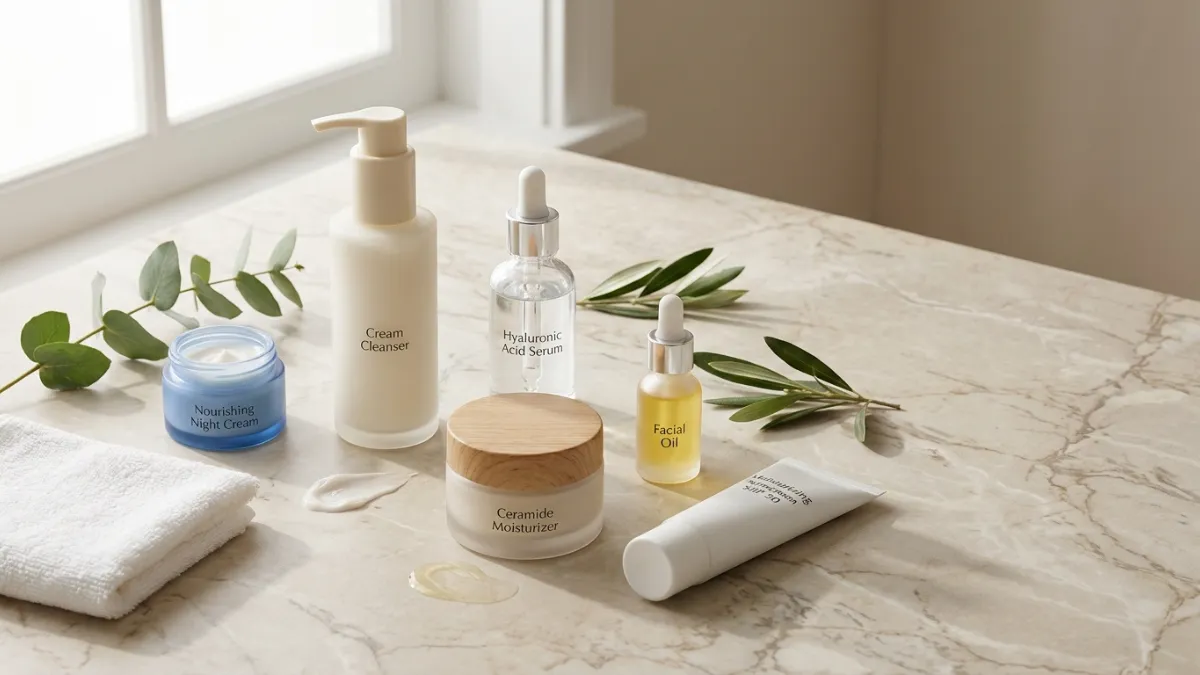
Dry skin can feel tight, rough, flaky, and uncomfortable, especially after cleansing or during colder weather. Finding the right skincare products can make a significant difference by helping restore moisture, support the skin barrier, and keep your complexion feeling soft and comfortable.
The best skincare products for dry skin focus on hydration and nourishment rather than harsh ingredients that may strip away natural oils. Ingredients such as hyaluronic acid, ceramides, glycerin, and squalane can help attract moisture, strengthen the skin barrier, and reduce dryness.
Whether your skin feels mildly dehydrated or is naturally dry throughout the year, choosing suitable products can help create a simple and effective routine.
In this guide, we explore 10 essential skincare products for dry skin, the ingredients worth looking for, and how to build a routine that keeps your skin hydrated.
1. Gentle Hydrating Cleanser
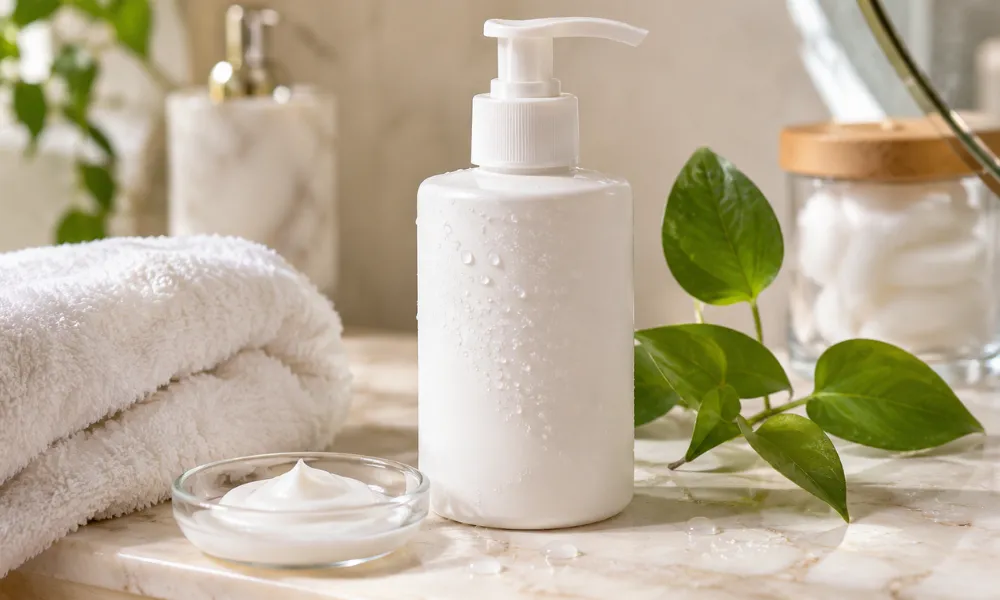
Cleansing is an important first step in any skincare routine, but people with dry skin should avoid products that leave the face feeling tight or stripped.
A gentle hydrating cleanser removes dirt, sunscreen, and everyday impurities without unnecessarily disrupting the skin barrier.
Look for cleansers containing:
- Glycerin
- Ceramides
- Hyaluronic acid
- Mild cleansing agents
- Nourishing emollients
Cream-based and lotion-style cleansers are often comfortable choices for dry skin. Avoid harsh scrubs and strongly fragranced cleansers if they make your skin feel irritated.
How to use: Cleanse your face with lukewarm water in the morning and evening. Avoid using hot water because it can make dryness worse.
2. Hyaluronic Acid Serum
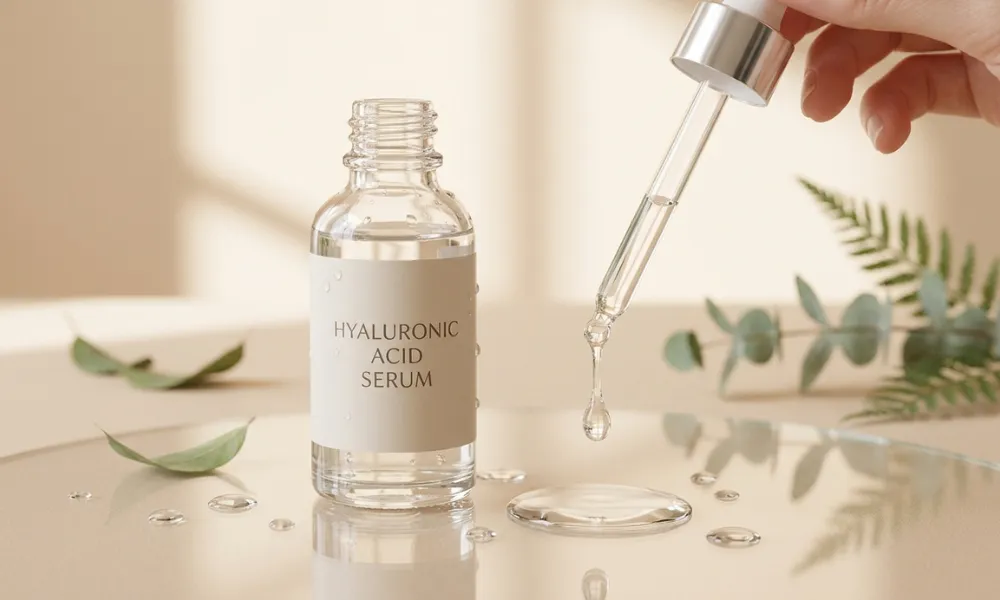
Hyaluronic acid is a popular skincare ingredient known for attracting and holding water. It helps hydrate the skin’s surface, making it feel smoother and more comfortable.
A hyaluronic acid serum can be particularly useful when your skin feels dehydrated or looks dull.
For better results, apply it to slightly damp skin and follow with a moisturizer. This helps support hydration rather than leaving the serum as the only moisturizing step.
How to use: Apply a few drops after cleansing and before your moisturizer. Follow the product’s instructions, especially if it contains additional active ingredients.
3. Ceramide Moisturizer
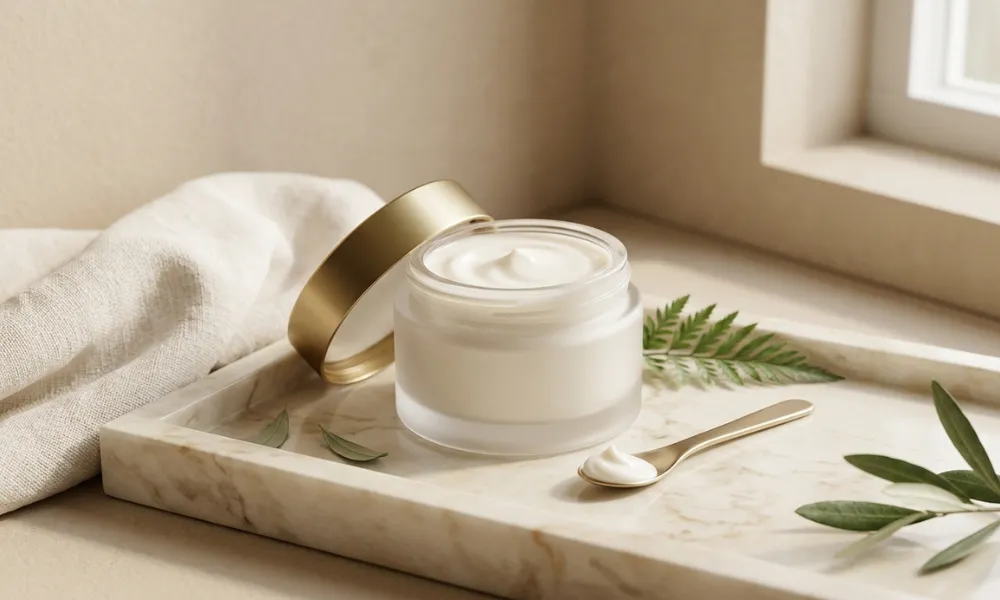
A ceramide moisturizer is one of the most useful products for dry skin. Ceramides are lipids naturally found in the skin barrier. They help maintain the barrier that protects against moisture loss and external irritants.
When the skin barrier is weakened, dryness, roughness, and sensitivity may become more noticeable.
A moisturizer containing ceramides can help support the skin barrier and improve overall comfort.
Look for formulas that also contain:
- Glycerin
- Hyaluronic acid
- Cholesterol
- Fatty acids
- Squalane
How to use: Apply after cleansing and serum. Use it consistently in the morning and evening.
4. Nourishing Night Cream
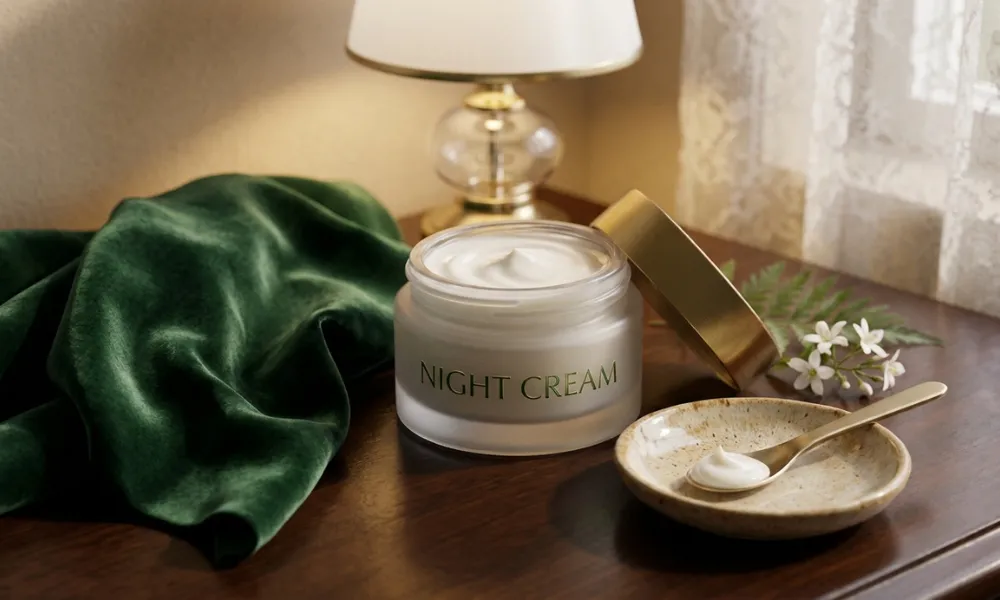
Dry skin can benefit from a richer moisturizer at night. Night creams are often formulated with nourishing ingredients that help reduce moisture loss while you sleep.
A suitable night cream may contain shea butter, ceramides, glycerin, or plant-derived oils.
Choose a formula that feels comfortable without causing irritation or clogged pores. If you have acne-prone skin, look for a non-comedogenic option.
How to use: Apply an even layer as the final step of your evening skincare routine.
5. Hydrating Toner
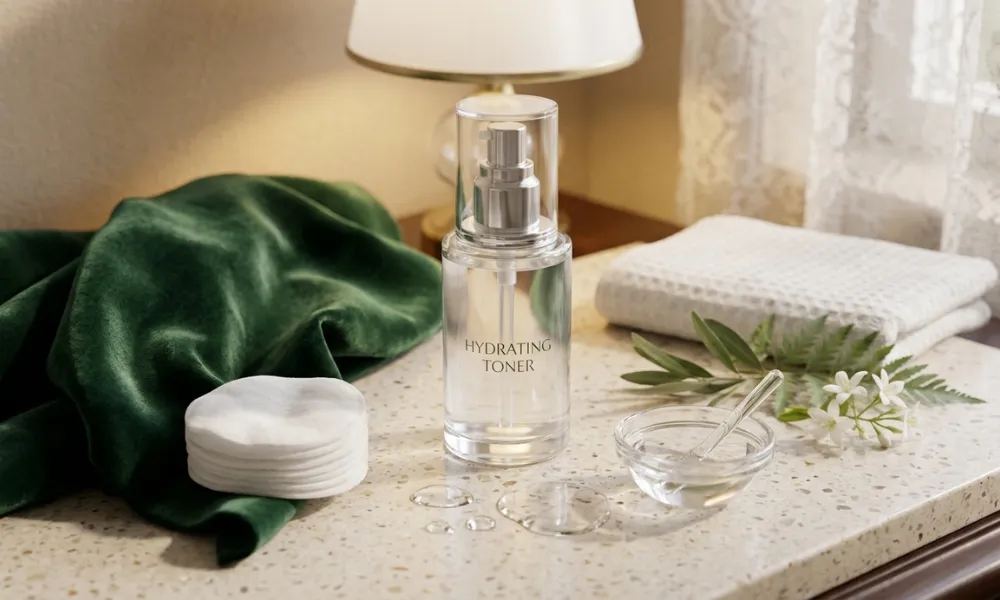
A hydrating toner can add an extra layer of moisture after cleansing. Unlike traditional astringent toners, hydrating formulas are designed to make the skin feel comfortable and refreshed.
Useful ingredients include:
- Glycerin
- Hyaluronic acid
- Panthenol
- Aloe vera
- Beta-glucan
Avoid toners with high amounts of drying alcohol or strong exfoliating ingredients if your skin is already dry or sensitive.
How to use: Apply a small amount with clean hands or a cotton pad after cleansing, then follow with serum and moisturizer.
6. Facial Oil
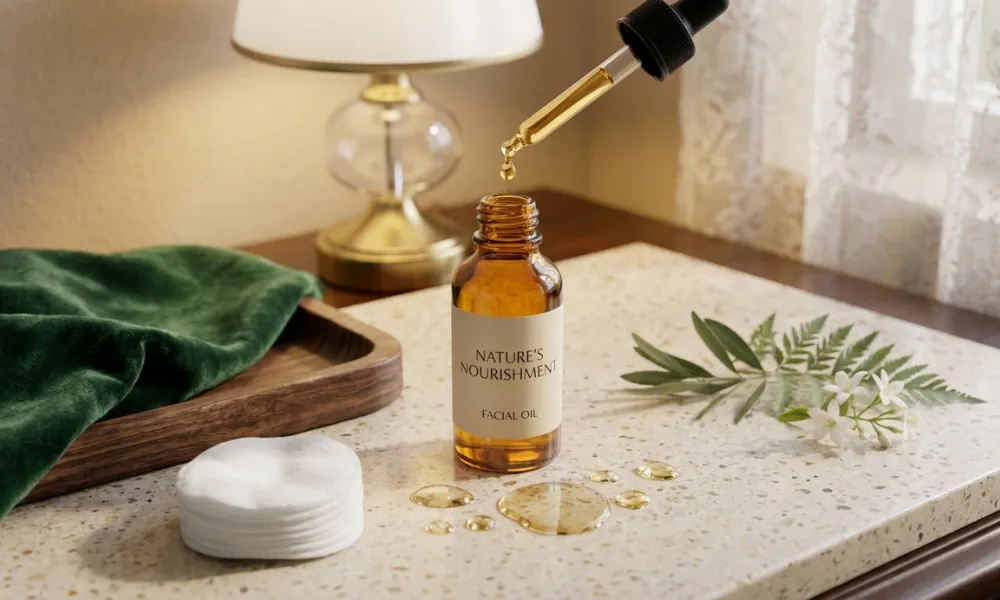
Facial oils can help soften dry skin and reduce moisture loss by providing an additional nourishing layer.
Popular options include:
- Squalane
- Jojoba oil
- Rosehip oil
- Argan oil
Squalane is a lightweight option that many people find comfortable. However, the best facial oil depends on your skin type and personal preferences.
Facial oils are not a replacement for water-based hydration. They work best alongside a moisturizer.
How to use: Apply a few drops after moisturizer or mix a small amount into your cream if the product instructions allow it.
7. Rich Body Cream
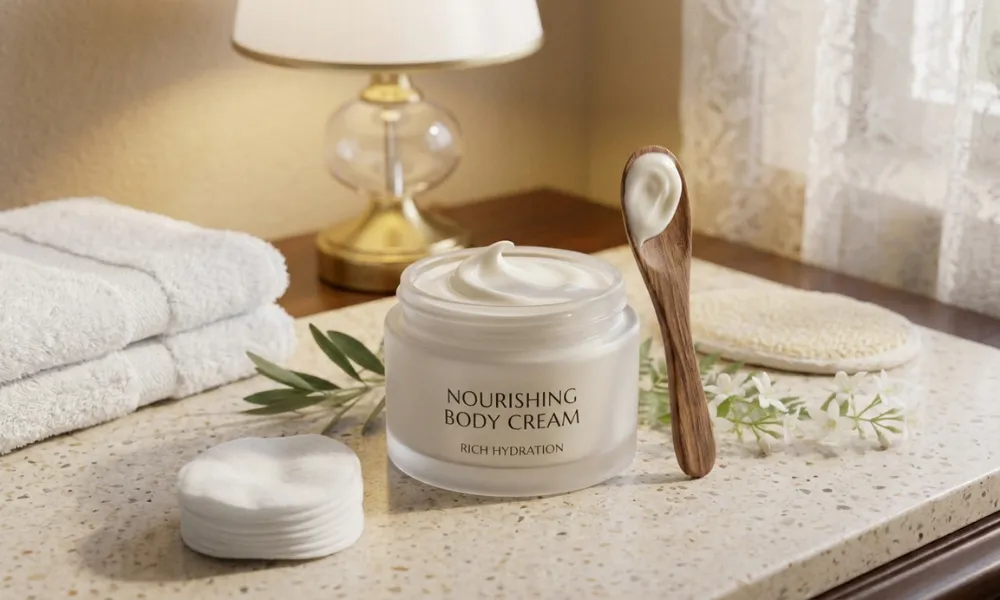
Dryness does not only affect the face. Arms, legs, hands, and other areas can also become rough, flaky, and uncomfortable.
A rich body cream helps moisturize larger areas and support the skin barrier.
Look for ingredients such as:
- Shea butter
- Glycerin
- Ceramides
- Petrolatum
- Urea
A cream is generally thicker than a lotion and may provide longer-lasting comfort for particularly dry areas.
How to use: Apply after showering while your skin is still slightly damp. Reapply whenever your skin feels dry.
8. Moisturizing Lip Balm
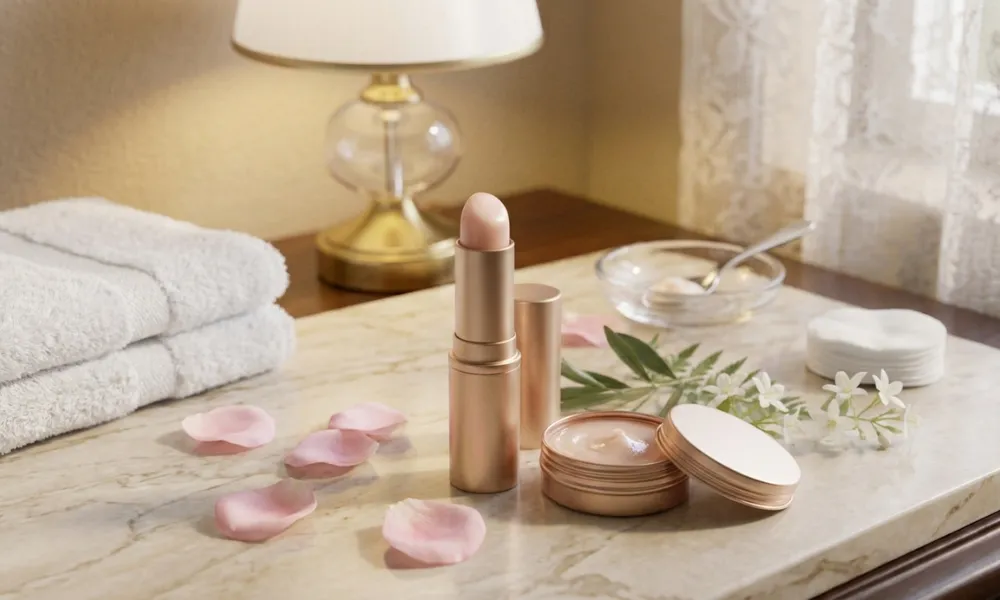
The lips can become dry and cracked because they have a delicate surface and are exposed to weather, wind, and frequent moisture loss.A nourishing lip balm can help protect the lips and keep them feeling comfortable.
Look for ingredients such as:
- Petrolatum
- Shea butter
- Beeswax
- Ceramides
- Mineral oil
Avoid products that cause stinging or irritation, particularly if your lips are already cracked.
How to use: Apply throughout the day and before bedtime. During sunny weather, choose a lip balm with SPF.
9. Hydrating Face Mask
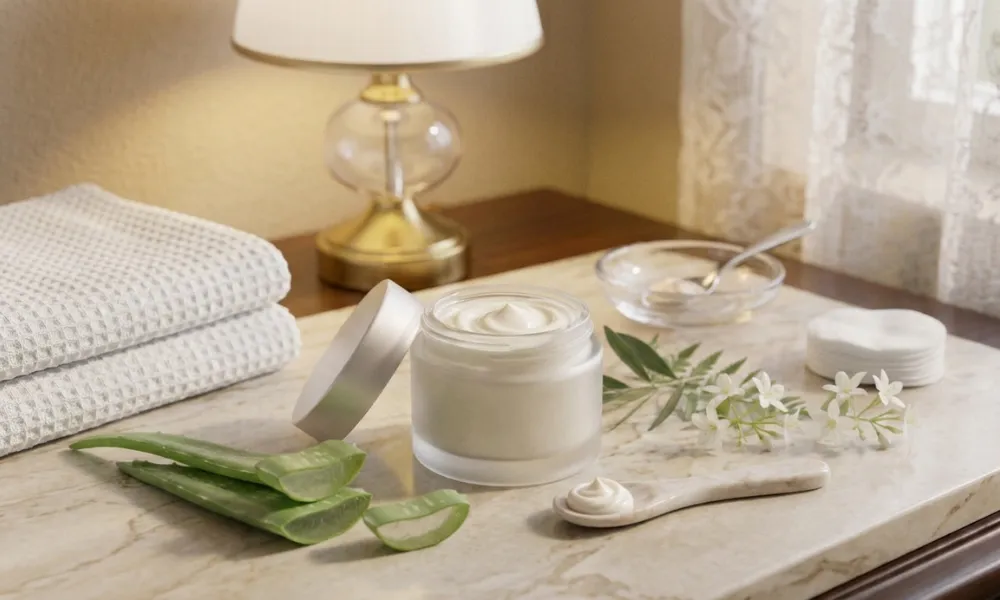
A hydrating face mask can provide an additional layer of moisture when your skin feels especially dry or tired. Cream-based masks and hydrating sheet masks may contain ingredients such as hyaluronic acid, glycerin, aloe vera, and panthenol. Choose a mask designed for hydration rather than one focused on deep cleansing or strong exfoliation.
How to use: Follow the product instructions, usually once or twice a week. Avoid leaving a mask on longer than recommended.
10. Moisturizing Sunscreen
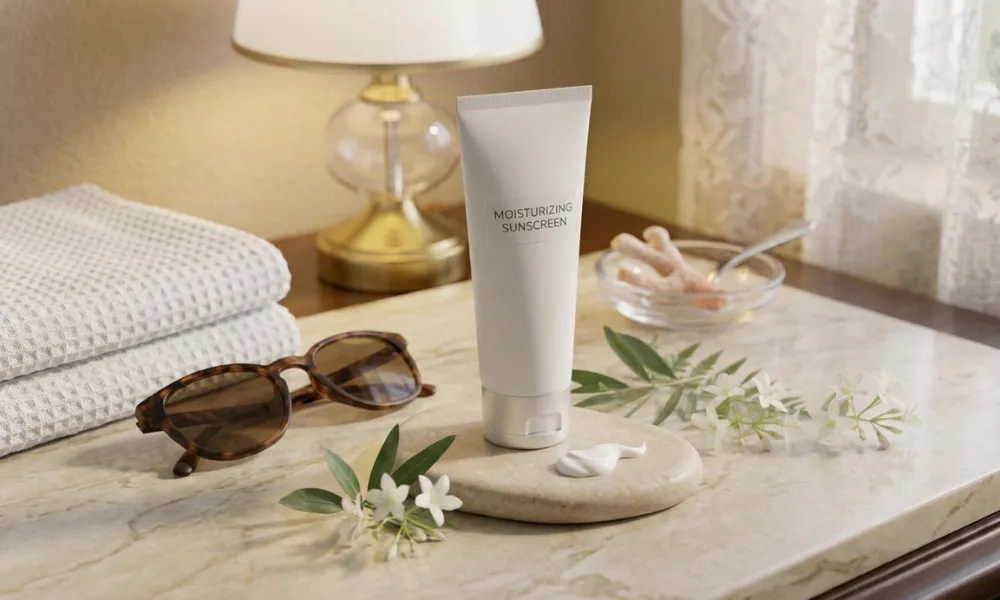
Sunscreen is essential even when your main skincare concern is dryness. Sun exposure can contribute to premature skin aging and damage, so daily protection is an important part of a healthy skincare routine. Similarly, maintaining healthy-looking hands includes choosing suitable nail styles, such as these acrylic nail extensions.
People with dry skin may prefer moisturizing sunscreens that combine broad-spectrum sun protection with hydrating ingredients.
Look for:
- Broad-spectrum SPF 30 or higher
- Glycerin
- Hyaluronic acid
- Ceramides
- Cream-based textures
Choose a sunscreen that feels comfortable enough to use every day.
How to use: Apply generously as the final step of your morning skincare routine. Reapply every two hours when outdoors, and after swimming or sweating, following the product directions.
Best Ingredients to Look for in Skincare Products for Dry Skin
Understanding skincare ingredients can help you choose products that address dryness more effectively.
| Ingredient | Main benefit |
|---|---|
| Hyaluronic acid | Attracts and holds water |
| Glycerin | Helps hydrate the skin |
| Ceramides | Support the skin barrier |
| Squalane | Softens skin and helps reduce moisture loss |
| Shea butter | Provides rich nourishment |
| Petrolatum | Helps prevent moisture loss |
| Panthenol | Helps soothe and moisturize |
| Urea | Helps soften rough, dry skin |
A good skincare routine does not need every ingredient on this list. Start with a gentle cleanser and moisturizer, then add other products according to your skin’s needs.
Simple Skincare Routine for Dry Skin
Using suitable products in the right order can make your routine easier to follow.
Morning Routine
- Gentle cleanser: Remove overnight oil and impurities without stripping your skin.
- Hydrating toner: Add a light layer of moisture if needed.
- Hyaluronic acid serum: Apply to slightly damp skin.
- Ceramide moisturizer: Help maintain hydration and support the skin barrier.
- Moisturizing sunscreen: Finish with broad-spectrum SPF 30 or higher.
Evening Routine
- Gentle cleanser: Remove sunscreen, makeup, and daily impurities.
- Hydrating toner: Apply if it suits your skin.
- Hydrating serum: Use a suitable serum to add moisture.
- Ceramide moisturizer: Lock in hydration and support the skin barrier.
- Night cream or facial oil: Add an extra nourishing layer if your skin needs it.
You do not need to use every product every day. A simple routine that you can follow consistently is often more useful than a complicated collection of skincare products.
Common Skincare Mistakes That Can Make Dry Skin Worse
Even good skincare products may not help much if your daily habits are contributing to dryness.
Here are some common mistakes to avoid:
- Using hot water: Hot showers and face washing can remove natural oils and increase dryness.
- Over-cleansing: Washing your face too frequently may leave it feeling tight and uncomfortable.
- Skipping moisturizer: Apply moisturizer regularly, especially after cleansing.
- Over-exfoliating: Frequent exfoliation can irritate dry or sensitive skin.
- Ignoring sunscreen: Daily sun protection helps reduce the effects of UV exposure.
- Using too many active ingredients: Combining several strong products can irritate an already weakened skin barrier.
- Changing products too quickly: Give suitable products time to work, while stopping anything that causes a reaction.
How to Choose the Right Skincare Products for Your Skin Type
Not all dry skin is the same. Your routine should reflect how your skin behaves and what it needs.
For Very Dry Skin
Choose richer creams and ointments containing ceramides, shea butter, petrolatum, or other nourishing ingredients. These products can help reduce moisture loss and improve comfort.
For Sensitive and Dry Skin
Choose fragrance-free products with simple formulas. Ingredients such as glycerin, ceramides, and panthenol may be useful. Introduce new products gradually.
For Dry and Acne-Prone Skin
Look for lightweight, non-comedogenic moisturizers. Avoid assuming that oily or acne-prone skin cannot be dehydrated. A balanced routine can provide hydration without feeling excessively heavy.
For Mature and Dry Skin
Consider moisturizers containing ceramides, glycerin, and hyaluronic acid. Consistent sunscreen use is also important for protecting skin from sun damage.
If dryness is persistent, painful, cracked, or accompanied by significant redness or itching, consider consulting a dermatologist.
Final Thoughts
Choosing the best skincare products for dry skin is about more than adding moisture. The right routine should cleanse gently, support the skin barrier, reduce moisture loss, and protect against everyday environmental damage.
Start with a gentle cleanser, a suitable moisturizer, and daily sunscreen. You can then introduce hydrating serums, nourishing creams, facial oils, and other products according to your needs.
Consistency is more important than using a large number of products. With a simple routine and suitable ingredients, you can help your skin feel softer, smoother, and more comfortable. For a creative finishing touch, explore these magnetic nail enamel ideas.
Frequently Asked Questions
1. What are the best skincare products for dry skin?
The best options include gentle hydrating cleansers, hyaluronic acid serums, ceramide moisturizers, nourishing night creams, facial oils, and moisturizing sunscreens. Choose products that suit your skin’s needs.
2. Which ingredients are best for very dry skin?
Ceramides, glycerin, hyaluronic acid, squalane, shea butter, and petrolatum are useful ingredients to consider. They help hydrate, soften, and support the skin barrier.
3. Should I use a serum or moisturizer first?
Apply serum before moisturizer. Serums usually have lighter textures, while moisturizers help maintain hydration and reduce moisture loss.
4. How often should I moisturize dry skin?
Most people with dry skin benefit from moisturizing at least twice daily, once in the morning and once in the evening. You can also reapply when your skin feels dry.
5. Is sunscreen necessary for dry skin?
Yes. Sunscreen is important for every skin type. Choose a comfortable moisturizing sunscreen with broad-spectrum SPF 30 or higher and apply it daily.
Disclaimer: This article is for general skincare information and educational purposes only. Skincare needs vary from person to person. Always check product ingredients and consult a qualified dermatologist if you experience persistent irritation or skin concerns.