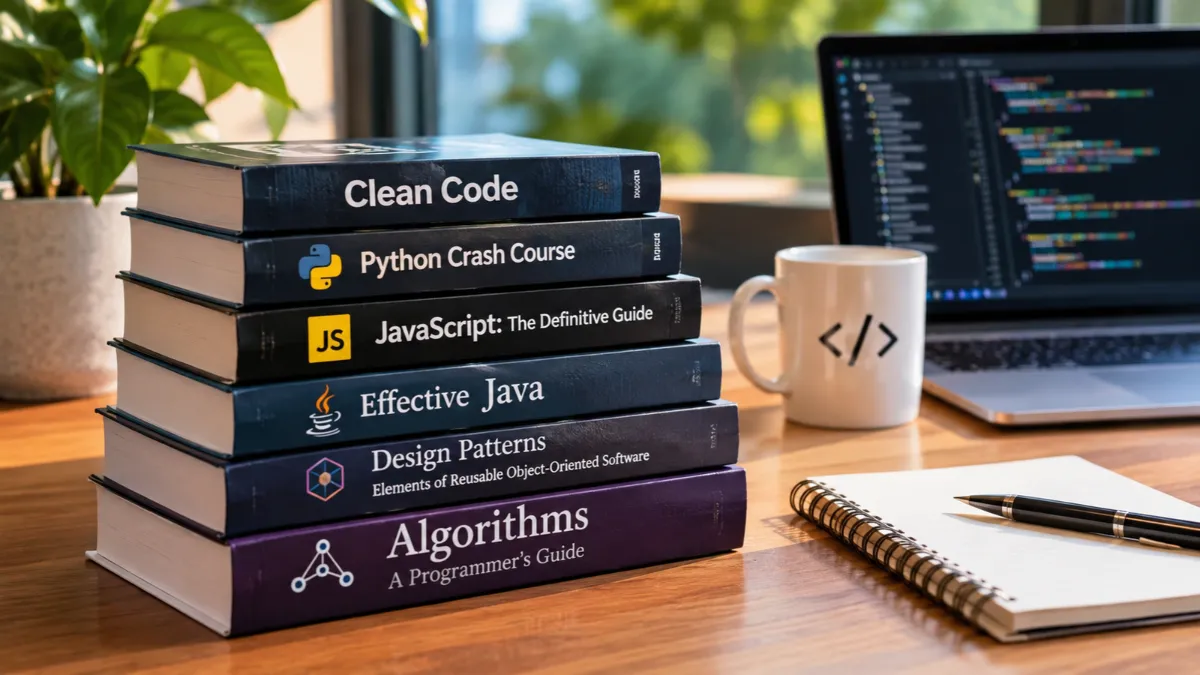
Programming is one of the most valuable skills in today’s technology-driven world. Whether you are a beginner learning your first programming language, a computer science student strengthening your technical knowledge, or an experienced developer looking to improve your coding abilities, the right books can make a significant difference in your learning journey.
Although online tutorials, coding boot camps, and video courses offer convenient ways to learn, programming books provide something equally important: structured knowledge, detailed explanations, practical examples, and a deeper understanding of software development concepts.
Finding the best programming books 2025 has to offer can be challenging because thousands of technical books cover different languages, frameworks, and development approaches. Some focus on foundational programming concepts, while others explore advanced topics such as software architecture, artificial intelligence, algorithms, and clean coding practices.
To make your search easier, we have compiled a list of ten valuable programming books for 2025. These selections cover different experience levels and programming interests, helping developers find resources that match their learning goals.
Key Takeaways
- The best programming books offer structured learning and practical coding knowledge.
- Beginners can start with Python, JavaScript, and foundational programming books.
- Experienced developers can benefit from books about software architecture, algorithms, and clean coding.
- Learning programming fundamentals is more valuable than focusing exclusively on specific frameworks.
- Combining technical books with hands-on coding projects can improve programming skills.
- Classic programming books remain relevant because their fundamental concepts continue to influence modern software development.
1. Clean Code: A Handbook of Agile Software Craftsmanship by Robert C. Martin
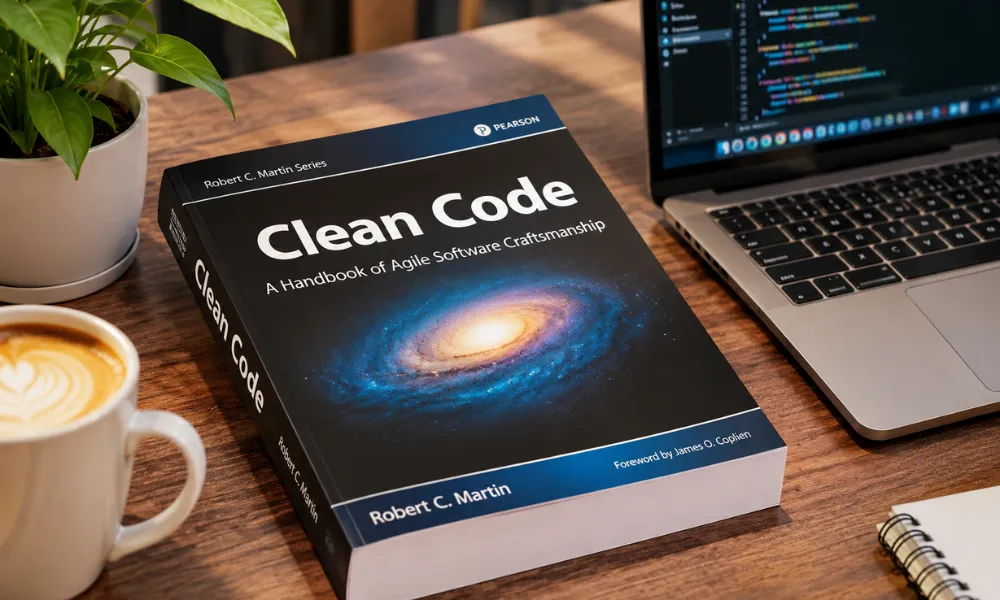
Best for: Developers who want to write readable and maintainable code.
Clean Code by Robert C. Martin, widely known as Uncle Bob, is one of the most recognized books in software development. It focuses on writing code that is easy to understand, maintain, test, and improve.
The book explains why code quality matters and how small programming decisions can affect the long-term success of a software project.
Readers explore important concepts such as meaningful naming conventions, functions, error handling, comments, formatting, and code organization.
It also introduces practical approaches to identifying and improving poorly written code.
Why read it in 2025?
As software projects become increasingly complex, maintaining readable and organized code remains essential. This book helps developers develop better programming habits that can benefit them throughout their careers.
2. Python Crash Course by Eric Matthes
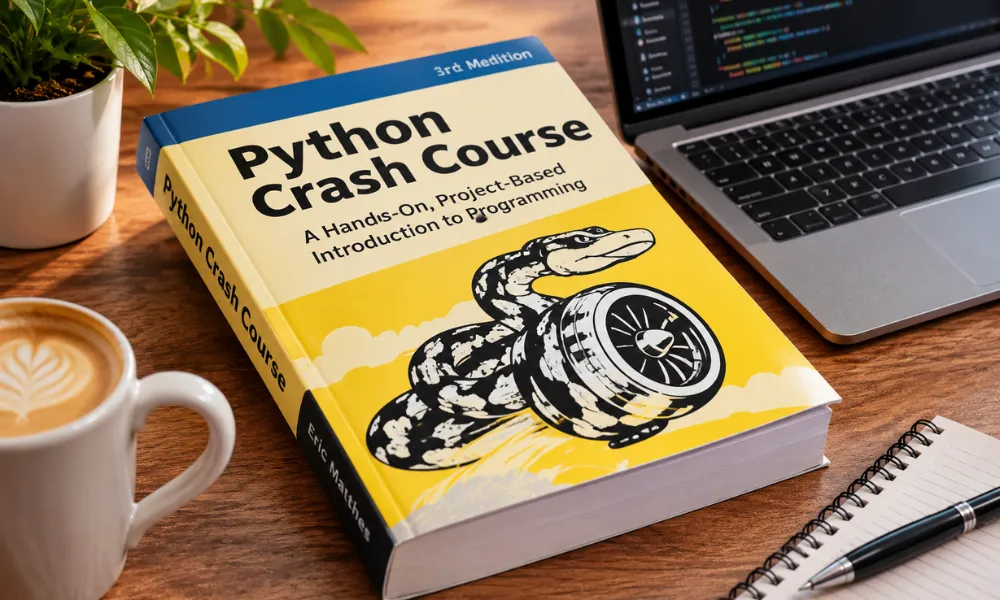
Best for: Beginners learning Python programming.
Python Crash Course is an excellent starting point for people who want to learn programming without becoming overwhelmed by complicated technical concepts.
Written by Eric Matthes, this book introduces Python through practical explanations and hands-on exercises.
The book covers essential topics, including:
- Variables and data types
- Lists, loops, and conditional statements
- Functions and classes
- Dictionaries and user input
- File handling and exceptions
- Testing and debugging
One of its biggest advantages is its project-based approach. Readers can apply what they learn by creating games, working with data, and building simple applications.
Why read it in 2025?
Python continues to play an important role in web development, automation, data science, and artificial intelligence. Learning Python provides beginners with a versatile foundation for exploring different technology careers.
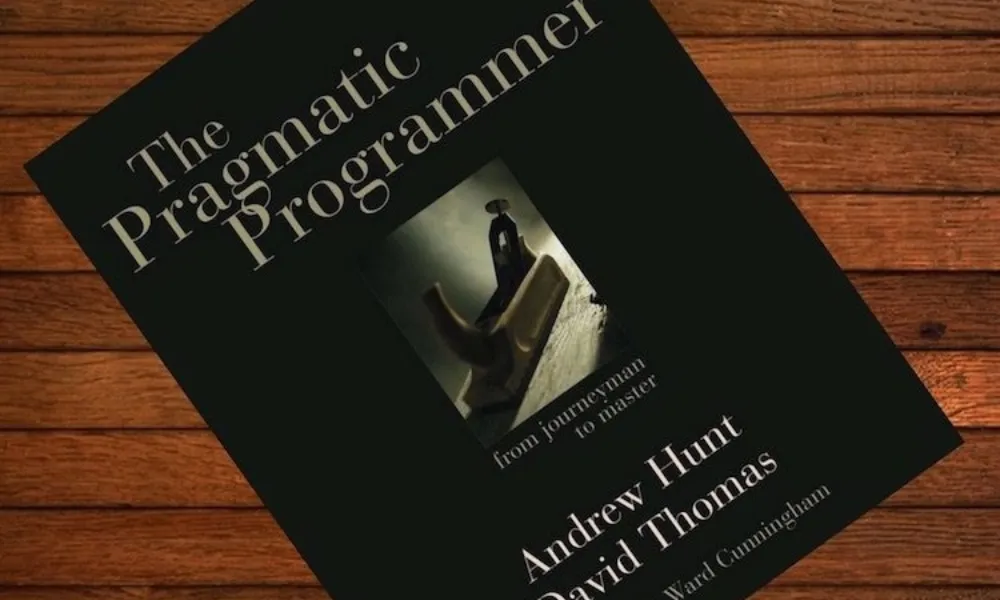
3. The Pragmatic Programmer by David Thomas and Andrew Hunt
Best for: Developers who want to improve their problem-solving and professional programming skills.
The Pragmatic Programmer is more than a traditional programming textbook. It focuses on the mindset, habits, and techniques that help developers become more effective at their work.
The authors explain how to approach programming challenges, manage complexity, improve productivity, and make better technical decisions.
Some important topics include:
- Writing adaptable and flexible software
- Avoiding unnecessary code duplication
- Automating repetitive tasks
- Managing technical debt
- Improving debugging techniques
- Building strong development habits
The book is particularly useful for developers who already understand programming fundamentals and want to become more confident in real-world software development.
Why read it in 2025?
Programming languages and technologies continue to change, but effective problem-solving and software development principles remain relevant. This book helps developers build skills that transfer across different programming environments.
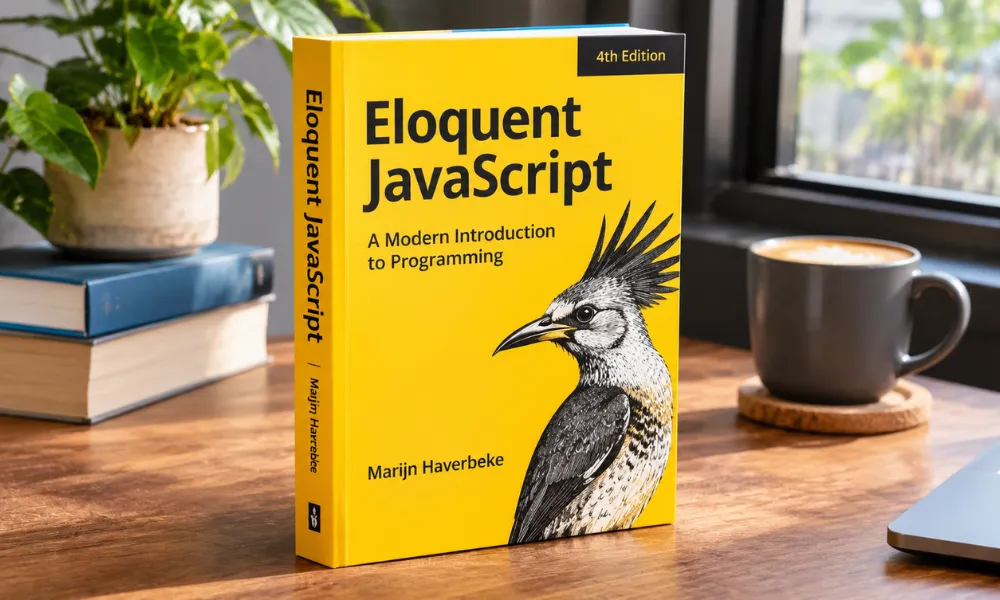
4. Eloquent JavaScript by Marijn Haverbeke
Best for: Beginners and intermediate developers interested in JavaScript.
JavaScript is one of the most important programming languages for modern web development. Eloquent JavaScript provides a detailed introduction to the language and its underlying concepts.
The book explains programming fundamentals before gradually introducing more advanced JavaScript techniques.
Readers learn about:
- JavaScript syntax and basic programming
- Functions and data structures
- Objects and classes
- Higher-order functions
- Asynchronous programming
- Browser-based JavaScript
- Node.js fundamentals
Its combination of explanations, exercises, and practical examples makes it a useful learning resource.
Why read it in 2025?
JavaScript remains essential for interactive websites, frontend applications, and server-side development. Understanding the language provides a strong foundation for exploring popular technologies such as React, Node.js, and other JavaScript-based tools.
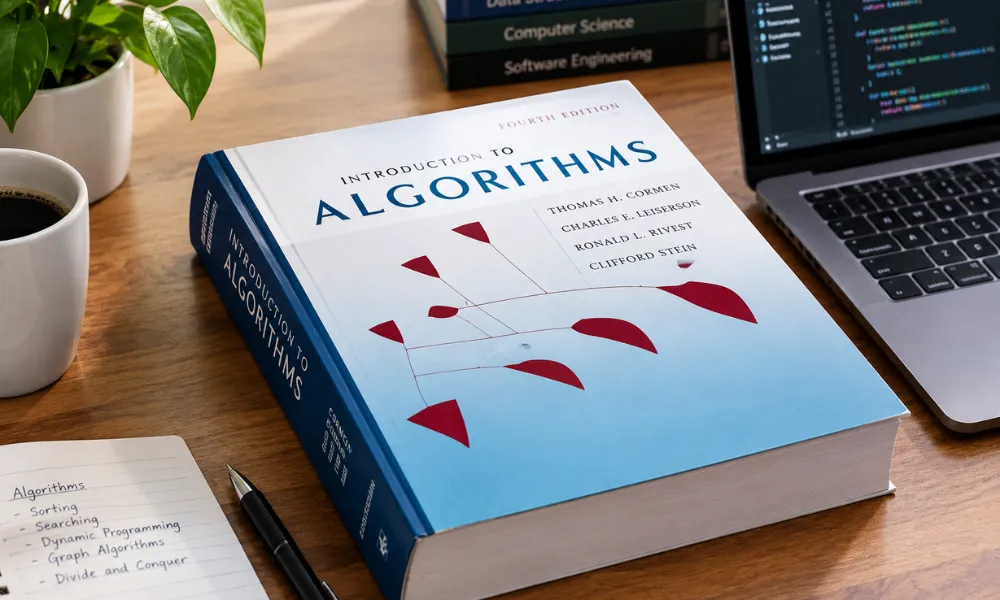
5. Introduction to Algorithms by Thomas H. Cormen, Charles E. Leiserson, Ronald L. Rivest, and Clifford Stein
Best for: Computer science students and advanced programming learners.
Commonly known as CLRS, Introduction to Algorithms is one of the most comprehensive textbooks covering computer science algorithms.
Unlike beginner-friendly programming guides, this book focuses on the mathematical and theoretical foundations of algorithm design and analysis.
It explores important concepts such as:
- Sorting and searching algorithms
- Data structures
- Graph algorithms
- Dynamic programming
- Greedy algorithms
- Computational complexity
- Algorithm analysis
The book can be challenging for beginners, but it is particularly valuable for readers who want to understand how efficient software solutions are designed.
Why read it in 2025?
Algorithms remain fundamental to software engineering, artificial intelligence, data processing, and application performance. A strong understanding of algorithms can also help developers prepare for technical interviews and complex programming challenges.
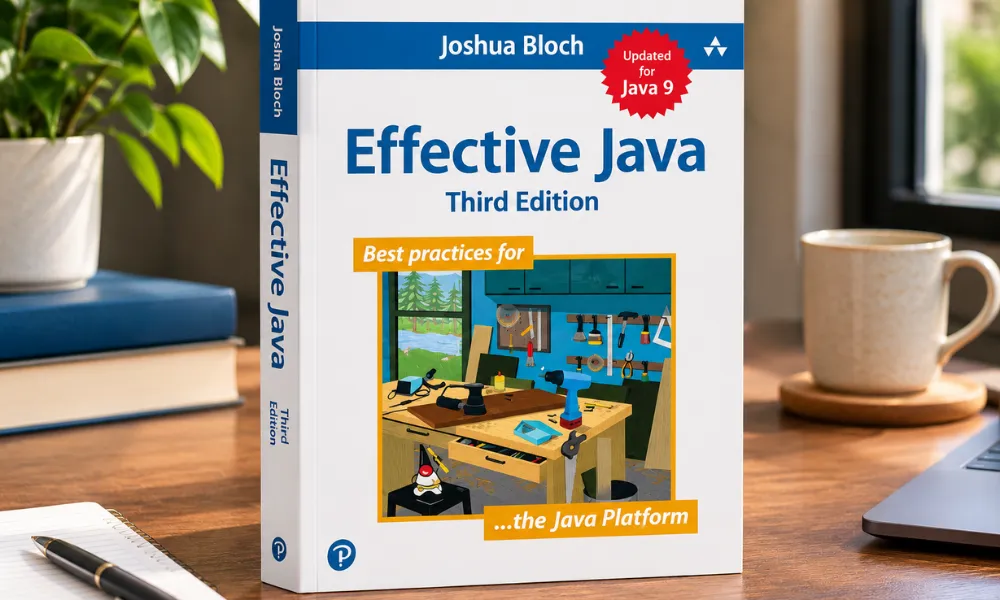
6. Effective Java by Joshua Bloch
Best for: Intermediate and advanced Java developers.
Effective Java is an important resource for developers who want to write reliable, efficient, and maintainable Java applications.
Joshua Bloch explains practical programming techniques and common mistakes that developers should understand when working with Java.
The book covers topics such as:
- Object creation and destruction
- Methods common to all objects
- Classes and interfaces
- Generics and enums
- Lambdas and streams
- Exception handling
- Concurrency
- Serialization
Rather than teaching Java from the beginning, the book focuses on improving the way developers use the language.
Why read it in 2025?
Java continues to be widely used in enterprise applications, backend development, and large software systems. Understanding effective Java practices can help developers build more dependable applications.
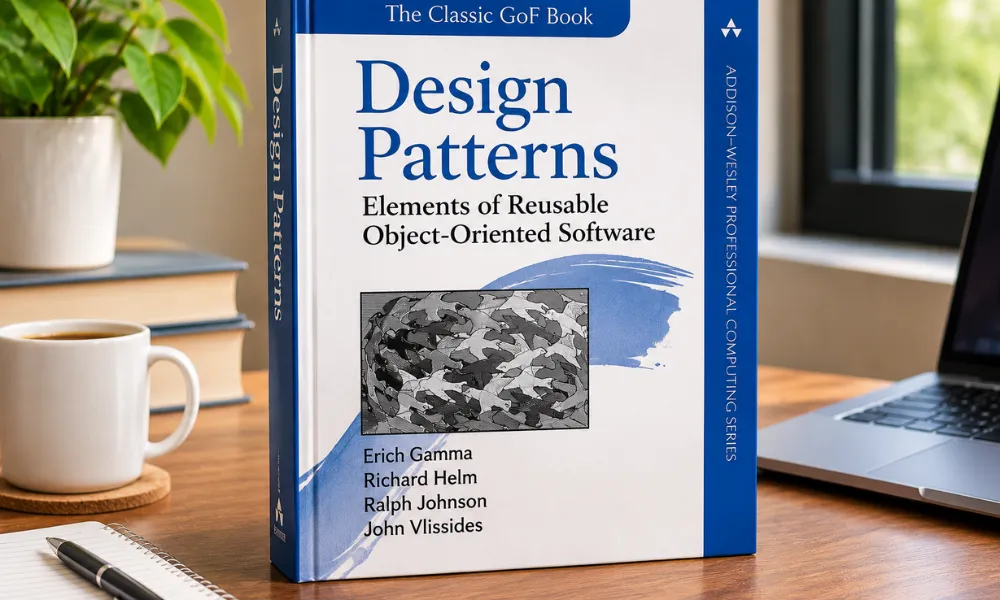
7. Design Patterns: Elements of Reusable Object-Oriented Software by the Gang of Four
Best for: Intermediate and experienced object-oriented programmers.
Design Patterns is a classic reference for understanding reusable software design solutions.
Written by Erich Gamma, Richard Helm, Ralph Johnson, and John Vlissides, the book introduces 23 design patterns that address recurring challenges in object-oriented software development.
The patterns are organized into three major categories:
- Creational patterns: Focus on object creation.
- Structural patterns: Explain how classes and objects can be organized.
- Behavioral patterns: Address communication and interaction between objects.
Some well-known examples include Factory Method, Singleton, Observer, Adapter, and Strategy.
Why read it in 2025?
Good software architecture is essential when developing applications that need to grow and evolve. Understanding design patterns helps developers recognize common problems and choose appropriate solutions.
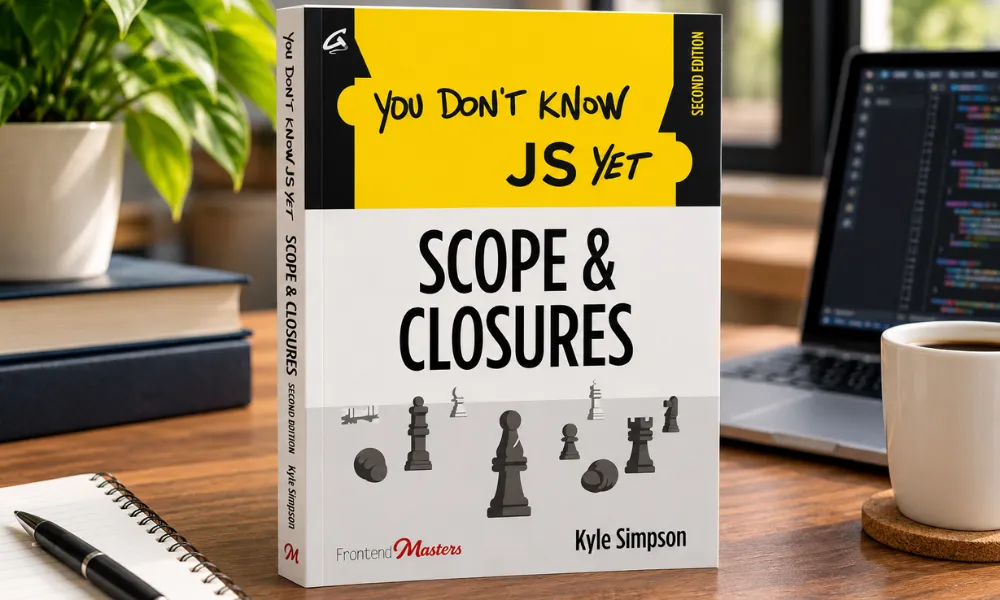
8. You Don’t Know JS Yet by Kyle Simpson
Best for: JavaScript developers who want a deeper understanding of the language.
Many developers learn JavaScript through tutorials and practical projects. However, knowing how to write JavaScript code does not necessarily mean understanding how the language works internally.
You Don’t Know JS Yet explores the deeper concepts behind JavaScript, helping readers understand its behavior and more advanced features.
The series covers important topics such as:
- Scope and closures
- JavaScript objects
- Types and coercion
- Iterators and generators
- Asynchronous programming
- The JavaScript language model
It is particularly helpful for developers who want to move beyond basic syntax and develop a stronger technical understanding.
Why read it in 2025?
JavaScript continues to evolve alongside modern web development. Understanding its fundamentals can help developers write more predictable code and troubleshoot complicated programming issues.
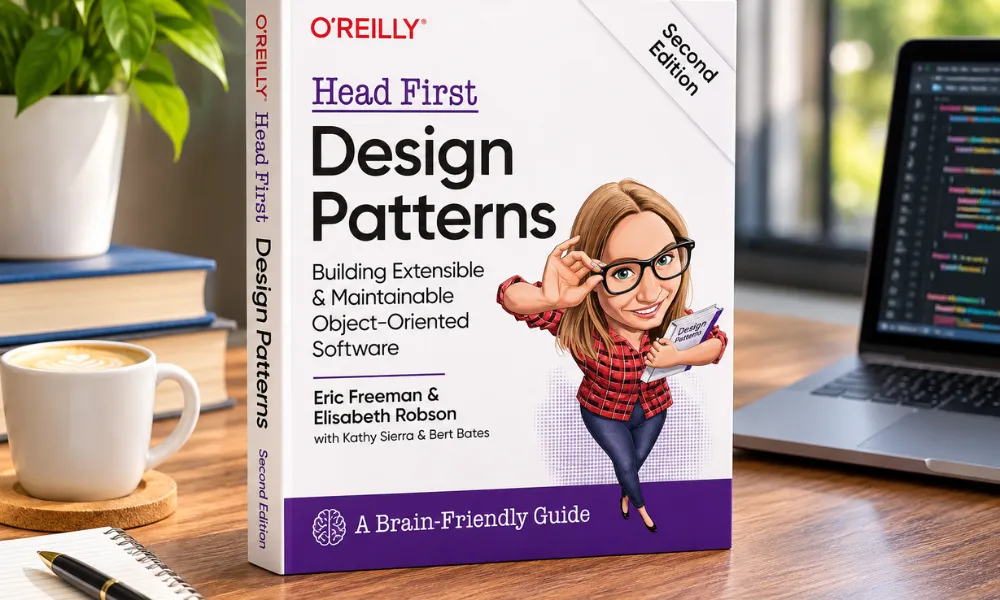
9. Head First Design Patterns by Eric Freeman and Elisabeth Robson
Best for: Developers who prefer visual and practical learning methods.
Head First Design Patterns provides a more approachable way to understand software design patterns.
Instead of relying entirely on technical explanations, the book uses illustrations, examples, exercises, and conversational writing to introduce complex software development concepts.
It explains several widely used design patterns and demonstrates how they solve practical programming problems.
Topics include:
- Strategy pattern
- Observer pattern
- Decorator pattern
- Factory patterns
- Singleton pattern
- Command pattern
- Adapter and Facade patterns
Why read it in 2025?
Understanding software design is important for building applications that are easier to maintain and expand. This book makes design patterns more accessible to developers who find traditional technical textbooks difficult to follow.
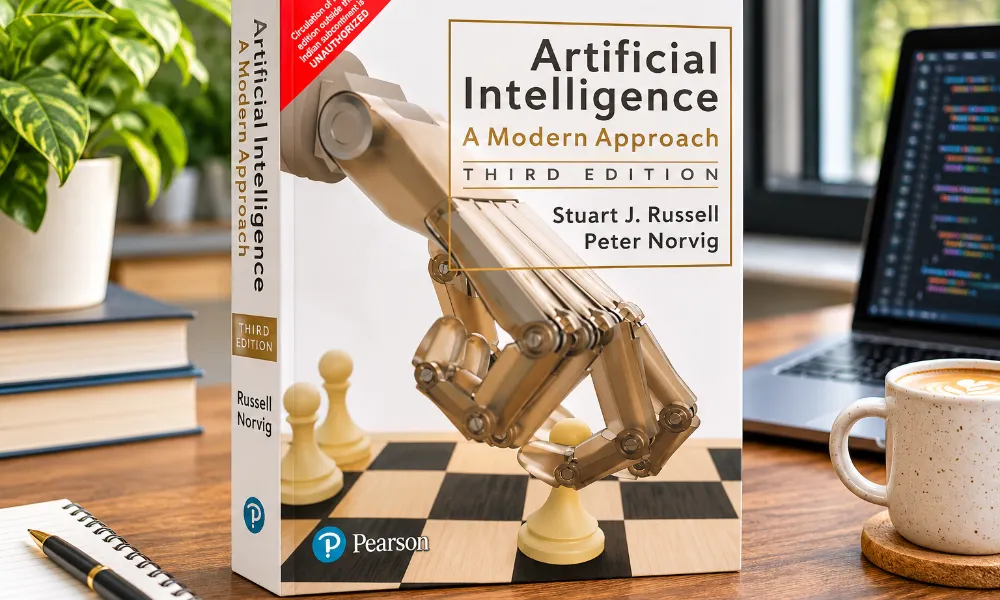
10. Artificial Intelligence: A Modern Approach by Stuart Russell and Peter Norvig
Best for: Students and developers interested in artificial intelligence.
Artificial intelligence has become one of the most influential areas of modern technology. Artificial Intelligence: A Modern Approach provides a comprehensive introduction to the field.
Written by Stuart Russell and Peter Norvig, the book explores the theoretical foundations and practical techniques behind intelligent computer systems.
It covers topics such as:
- Intelligent agents
- Problem-solving and search algorithms
- Knowledge representation
- Machine learning
- Neural networks
- Natural language processing
- Robotics
- AI decision-making
This is a substantial academic textbook, making it more suitable for readers with some mathematical and technical background.
Why read it in 2025?
AI technologies are transforming software development, business operations, healthcare, education, and many other industries. Understanding artificial intelligence fundamentals can help developers explore emerging career opportunities and build more advanced technical knowledge.
How to Choose the Best Programming Books in 2025
Not every programming book is suitable for every developer. Your ideal reading list depends on your current experience, career goals, and preferred programming languages.
Here are some important factors to consider before choosing a book.
1. Consider Your Programming Experience
Beginners should start with books that explain basic concepts through simple examples and exercises. Using a reliable note-taking app can also help organize programming concepts, coding examples, and important lessons while studying.
Intermediate developers can explore books about software design, object-oriented programming, and language-specific techniques.
Experienced programmers may benefit more from advanced resources covering algorithms, system architecture, concurrency, and artificial intelligence.
2. Choose a Programming Language Based on Your Goals
Different programming languages serve different purposes.
For example:
- Python: Useful for automation, data science, machine learning, and backend development.
- JavaScript: Essential for frontend and full-stack web development.
- Java: Commonly used in enterprise applications and backend systems.
- C++: Important for performance-focused software and systems programming.
- C#: Widely used in application development and game development.
Choose books that align with the language you want to learn rather than attempting to study everything simultaneously.
3. Look for Practical Examples and Exercises
Programming is a practical skill. Reading explanations without writing code can limit your understanding. Look for books that include exercises, coding challenges, sample projects, and real-world examples.
Choosing one of the best code editors for Mac can also make it easier to practice programming concepts and work on your own development projects.
Try implementing the concepts yourself instead of simply reading through the chapters.
4. Check the Edition and Publication Date
Programming technologies change frequently. A book covering an older version of a language or framework may not explain its latest features.
Before purchasing, check the publication date and edition, particularly for books about rapidly evolving technologies.
However, remember that foundational resources about algorithms, software design, and programming principles can remain useful for many years.
5. Combine Books with Practical Projects
The best way to reinforce programming knowledge is through practice.
After completing a chapter, create a small project using the concepts you have learned. For example, Python learners can develop a simple calculator, while JavaScript learners can build an interactive website.
Combining reading with hands-on development makes learning more effective.
Best Programming Books 2025: Quick Comparison
| Book | Best For | Difficulty |
|---|---|---|
| Clean Code | Code quality | Intermediate |
| Python Crash Course | Learning Python | Beginner |
| The Pragmatic Programmer | Professional development | Intermediate |
| Eloquent JavaScript | JavaScript | Beginner–Intermediate |
| Introduction to Algorithms | Algorithms | Advanced |
| Effective Java | Java development | Intermediate–Advanced |
| Design Patterns | Software architecture | Intermediate–Advanced |
| You Don’t Know JS Yet | Advanced JavaScript | Intermediate–Advanced |
| Head First Design Patterns | Design patterns | Beginner–Intermediate |
| Artificial Intelligence: A Modern Approach | Artificial intelligence | Advanced |
Conclusion
Choosing the right programming resources can significantly influence your development journey. Whether you are learning your first programming language or improving your software engineering expertise, the right books can help you develop a deeper understanding of technology.
The best programming books 2025 include valuable resources for different experience levels, from beginner-friendly Python guides to advanced textbooks covering algorithms, software architecture, and artificial intelligence.
If you are just starting, Python Crash Course and Eloquent JavaScript are excellent places to explore. Developers looking to improve their coding practices can consider Clean Code and The Pragmatic Programmer, while experienced learners may benefit from Introduction to Algorithms and Effective Java.
Ultimately, the most effective learning approach combines reading, consistent practice, and building real-world projects. Choose a book that matches your goals, work through its examples, and keep improving your programming skills.
Frequently Asked Questions (FAQs)
1. What are the best programming books in 2025?
Some of the best programming books in 2025 include Clean Code, Python Crash Course, The Pragmatic Programmer, Eloquent JavaScript, Introduction to Algorithms, and Effective Java. The right choice depends on your programming experience and learning objectives.
2. Which programming book is best for absolute beginners?
Python Crash Course by Eric Matthes is an excellent choice for beginners. It introduces programming fundamentals through practical examples and hands-on projects, making it easier to understand basic concepts.
3. Can I learn programming through books alone?
Books can provide a strong theoretical and practical foundation, but programming requires hands-on experience. You should combine reading with coding exercises, personal projects, and experimentation to develop your skills.
4. Are older programming books still useful in 2025?
Yes. Many older programming books remain valuable because concepts such as algorithms, data structures, software design, and clean coding practices do not become outdated quickly. However, books covering specific frameworks or rapidly changing technologies should be checked for updated editions.
5. Which programming books are best for experienced developers?
Experienced developers can benefit from The Pragmatic Programmer, Clean Code, Introduction to Algorithms, Effective Java, and Design Patterns. These books explore advanced programming techniques, software quality, problem-solving, and architecture.
Disclaimer
This article is intended for educational and informational purposes only. Book recommendations are based on their educational value, relevance, and established recognition in software development. Always check the latest editions and publication information before purchasing any programming book.