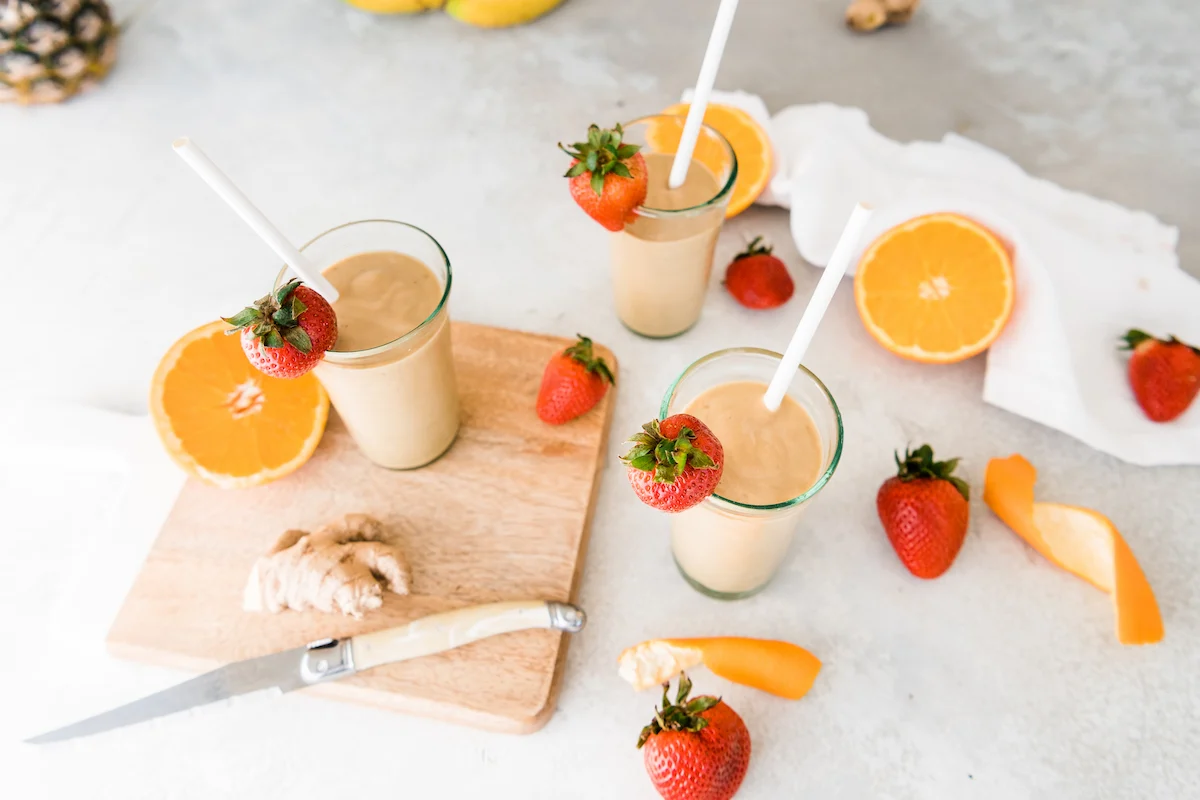

Lifetime choices are the everyday decisions that gradually shape your health, happiness, relationships, and quality of life. A healthier lifestyle does not require perfection or dramatic changes. Focus on nutritious eating, regular movement, quality sleep, stress management, meaningful relationships, preventive care, and sustainable habits. The most effective approach is to start small, repeat healthy behaviors, review your progress, and adjust your routine when necessary.
Lifetime Choices: Simple Steps for a Healthier Life
The decisions you make each day can shape your health and happiness. Lifetime choices are not about following a perfect routine every day. They are about choosing habits that support your physical, mental, and emotional well-being over time. Small improvements can become meaningful changes when you practice them consistently.

A healthier lifestyle does not require changing everything overnight. Instead, focus on realistic actions that fit naturally into your daily routine. Eating nourishing foods, staying active, sleeping well, managing stress, and maintaining relationships can all contribute to better overall well-being.
What Are Lifetime Choices?
Lifetime choices are everyday decisions that influence your health, lifestyle, relationships, and personal well-being. They include choices about food, exercise, sleep, stress, social connections, and how you spend your time. These decisions may seem small individually, but repeated actions can gradually shape your lifestyle.
How Small Decisions Shape Your Future
A single healthy decision may seem insignificant at first. However, repeating that decision can turn it into a reliable habit. Choosing water instead of a sugary drink, walking instead of sitting, or preparing a balanced meal can become part of a sustainable routine.
Choices vs. Habits: What Is the Difference?
A choice is a decision you make at a particular moment. A habit develops when you repeat similar choices until they become easier and more automatic. Understanding this difference can help you focus on consistency rather than expecting immediate results.
Why Lifetime Choices Matter for Health and Happiness
Your daily lifestyle affects more than your physical condition. Healthy behaviors can also support emotional balance, energy levels, confidence, relationships, and overall quality of life. A balanced approach works best because well-being depends on several connected areas of your life.
Small Choices Can Add Up Over Time
Long-term progress usually comes from manageable actions repeated consistently. You do not need to make dramatic changes to begin improving your lifestyle. Small steps can create momentum and make healthier decisions feel more natural.
Health Is More Than Physical Fitness
Good health includes physical, mental, emotional, and social well-being. Regular movement matters, but so do restful sleep, meaningful relationships, stress management, and time for activities you enjoy. Looking at wellness as a whole can create a more balanced and sustainable approach.
Healthy Life Choices for Better Physical Health
Healthy life choices often begin with basic behaviors that support your body. Nutritious food, regular movement, hydration, sleep, and preventive care provide a strong foundation. The goal is not perfection but creating routines that you can realistically maintain — and it helps to know that how sleep and hydration affect your progress can make even good habits work better or worse.

Choose More Nutritious Foods
A balanced diet can provide the nutrients your body needs for daily functioning. Try including vegetables, fruits, whole grains, protein sources, and healthy fats across your meals. Instead of labeling foods as completely good or bad, focus on variety, balance, and sensible portions.
Make Daily Movement a Priority
Physical activity does not always mean spending hours at the gym. Walking, cycling, stretching, household activities, and strength exercises can all add movement to your day. Choose activities you enjoy because enjoyable routines are easier to maintain consistently.
Stay Consistently Hydrated
Water is an important part of everyday health and normal body function. Keep water accessible during work, travel, exercise, and other daily activities. Your hydration needs can vary depending on factors such as activity, climate, diet, and individual circumstances.
Prioritize Preventive Health
Prevention is another important part of maintaining your well-being. Regular medical and dental care can help identify potential concerns and keep recommended screenings up to date. Follow professional guidance that is appropriate for your age, personal history, and individual needs.
Better Lifestyle Choices for Mental and Emotional Well-Being
Physical health is only one part of living well. Your mental and emotional health can influence how you handle challenges, relationships, responsibilities, and everyday pressure. Creating space for rest and emotional recovery can make your lifestyle more sustainable.
Learn Healthy Ways to Manage Stress
Stress is a normal part of life, but constant pressure can become difficult to manage. Helpful strategies may include walking, breathing exercises, hobbies, journaling, planning, relaxation, or talking with someone you trust. If stress becomes overwhelming or persistent, professional support can be valuable.
Protect Your Sleep Routine
Quality sleep supports daily functioning, concentration, mood, and recovery. Try maintaining a consistent sleep schedule and creating a calm routine before bedtime. Reducing unnecessary nighttime distractions may also help you protect your regular rest. Research from Harvard Health confirms that regularly sleeping too little raises the risk of several long-term health issues, so a calming pre-bed ritual matters — even something as simple as warm bone broth can be part of that routine.
Make Time for Things That Bring Meaning
A healthy life should include more than responsibilities and obligations. Spend time on hobbies, learning, creativity, nature, volunteering, or other activities that give you satisfaction. Having meaningful interests can make everyday life feel more rewarding and purposeful.
Positive Life Choices That Strengthen Relationships
Social connections can play an important role in overall well-being. Supportive relationships can provide companionship, encouragement, practical help, and opportunities to share experiences. Building healthier connections requires communication, respect, boundaries, and consistent effort.
Build Supportive Relationships
Make time for people who genuinely contribute to your well-being. Simple actions such as checking in, listening carefully, sharing meals, or spending quality time together can strengthen connections. Healthy relationships should allow both people to feel respected, supported, and valued.
Practice Healthy Boundaries
Boundaries help you communicate what you can reasonably give and accept. Learning to say no can protect your time, energy, and emotional well-being. Clear communication can also reduce misunderstandings and create healthier relationships.
Spend More Time With Positive Influences
The people around you can influence your routines, attitudes, and everyday decisions. Look for relationships that encourage growth without creating unnecessary pressure. A supportive environment can make healthier behaviors easier to maintain.
How to Turn Healthy Choices Into Healthy Habits
Healthy habits become easier when they are practical and connected to your existing routine. Rather than attempting a complete lifestyle transformation, choose one behavior and practice it regularly. This approach can reduce frustration while giving you a clear way to measure progress.
Start With One Small Change
Choose one action that feels achievable rather than overwhelming. You might walk for a few minutes, add vegetables to dinner, or establish a regular bedtime. Once that behavior becomes comfortable, you can gradually introduce another improvement.
Make Healthy Choices Easier
Your environment can influence the decisions you make throughout the day. Keep nutritious foods available, prepare exercise clothes beforehand, and place reminders where you will notice them. Making healthier options convenient can reduce the effort required to follow your intentions.
Track Progress Without Chasing Perfection
Progress does not mean making the right choice every single time. Everyone experiences busy days, setbacks, changing priorities, and unexpected circumstances. Focus on returning to your routine instead of allowing one difficult day to become a reason to quit.
| Healthy Choice | Simple Daily Action | Possible Long-Term Benefit |
|---|---|---|
| Nutrition | Add more varied, nutritious foods | Better eating patterns |
| Movement | Walk or exercise regularly | More active lifestyle |
| Sleep | Keep a consistent bedtime | Better rest routine |
| Stress | Take regular recovery breaks | Healthier coping habits |
| Relationships | Stay connected with others | Stronger social support |
Common Lifestyle Choices That Can Work Against Well-Being
Some everyday patterns can gradually make healthy living more difficult. Excessive inactivity, poor sleep, unmanaged stress, and extreme approaches may interfere with your ability to maintain balanced routines. Recognizing these patterns is useful because awareness gives you an opportunity to make a different choice.
Too Much Sedentary Time
Long periods of sitting can reduce opportunities for regular movement during the day. Consider breaking up extended sitting with short walks, stretches, or other light activities. Small movement breaks can make an otherwise sedentary routine more active.
Poor Sleep Patterns
Irregular sleep can make it harder to maintain energy and concentration. Late nights, inconsistent schedules, and stimulating activities before bed may interfere with a healthy routine. Give sleep a regular place in your daily priorities rather than treating it as optional.
Chronic Stress and Neglecting Recovery
Constantly staying busy can leave little room for recovery. Build short periods of relaxation into your schedule and recognize when you need support. Healthy productivity includes knowing when to pause, recharge, and reset.
Relying on Extreme Changes
Extreme diets and unrealistic routines can be difficult to sustain. A healthier approach usually involves gradual improvements that fit your circumstances and preferences. Sustainable progress is more useful than temporary perfection.
How to Make Better Lifestyle Choices Every Day
Creating a healthier lifestyle becomes easier when you turn broad goals into specific actions. Instead of saying you want to “be healthier,” identify one behavior you can change today. Clear actions give you something practical to repeat and improve.
Use the Small Choice Method
Before making a decision, ask yourself which option better supports your current goal. Then consider whether that option can become part of tomorrow’s routine. This simple process can turn vague intentions into practical daily actions.
Focus on Progress, Not Perfection
You do not need perfect discipline to build a healthier lifestyle. Some days will go differently than planned, and that is completely normal. What matters most is continuing to make reasonable choices over the long term.
Review Your Choices Regularly
Take a few minutes each week to consider what is working well. Look at your eating patterns, activity, sleep, stress, relationships, and personal goals. Regular reflection can help you identify small adjustments before unhealthy patterns become deeply established.
A Simple Lifetime Choices Checklist
Use these ideas as a flexible starting point rather than strict rules.
- Choose a varied and nutritious diet.
- Move regularly throughout the day.
- Protect a consistent sleep routine.
- Drink water regularly according to your needs.
- Find healthy ways to manage stress.
- Maintain supportive relationships.
- Make time for meaningful interests.
- Follow appropriate preventive healthcare.
- Reduce habits that interfere with your well-being.
- Focus on sustainable progress instead of perfection.
Key Takeaway
The best lifestyle changes are usually simple enough to repeat consistently. Healthy life choices become powerful when they fit your real schedule, priorities, preferences, and circumstances. Start with one manageable decision, repeat it, and gradually build a lifestyle that supports your long-term well-being.
Conclusion
A healthier and happier life is built through ordinary decisions made consistently. From choosing nourishing meals to protecting sleep and nurturing relationships, each action can contribute to a more balanced lifestyle. The goal is not to control every part of life but to make thoughtful improvements that remain realistic over time.
These principles also reflect the practical spirit behind samppy: meaningful progress can begin with simple, manageable choices. Choose one positive change today, make it easier to repeat tomorrow, and allow your habits to grow naturally. Over time, those small decisions can become a stronger foundation for lasting well-being.
Frequently Asked Questions
What are lifetime choices?
Lifetime choices are everyday decisions that can influence your health, habits, relationships, and overall quality of life. They include choices involving nutrition, movement, sleep, stress, social connections, and personal growth.
What are examples of healthy life choices?
Examples include eating a balanced diet, staying physically active, getting adequate sleep, managing stress, maintaining supportive relationships, and keeping up with appropriate preventive healthcare.
How do healthy habits affect your future?
Healthy habits can create consistent lifestyle patterns that support overall well-being. Their value comes from repeated behavior rather than expecting one decision to produce an immediate transformation.
What are better lifestyle choices for everyday health?
Better choices can include adding nutritious foods, moving more often, protecting sleep, managing stress, staying socially connected, and avoiding extreme approaches that are difficult to sustain.
How can I make positive life choices consistently?
Start with one realistic behavior and connect it to an existing routine. Make the healthier option convenient, track your progress, and treat occasional setbacks as opportunities to restart rather than reasons to give up.

Surbhi
@Surbhi | Surbhiithapaa@gmail.com