
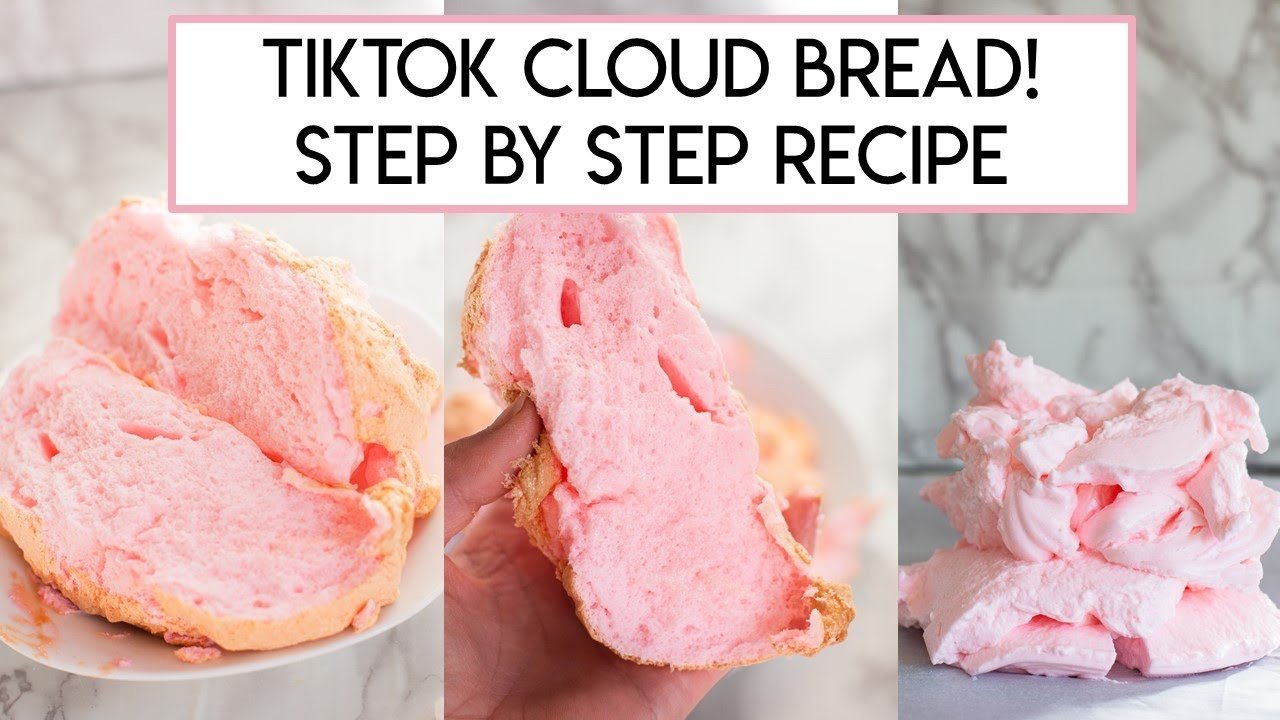
Cloud bread is a light, airy, and beginner-friendly recipe that became popular through social media. Made with only a few ingredients, it offers a gluten-free and low-carb alternative to traditional bread. Success depends on properly whipping egg whites, folding the batter gently, and baking carefully. Whether you prefer sweet or savory flavors, cloud bread is easy to customize and enjoyable for many occasions.
Cloud bread has taken social media by storm because of its light, fluffy texture and simple ingredients. Whether you discovered it on TikTok or are searching for a healthier bread alternative, this cloud bread recipe is easy enough for beginners to master. It is naturally gluten-free, low in carbohydrates, and requires only a few pantry staples. In this guide, you’ll learn how to make cloud bread, understand why it became a viral sensation, and discover expert tips for perfect results every time.
Key Takeaways
| Takeaway | Why It Matters |
|---|---|
| Cloud bread uses only a few ingredients | Easy for beginners and budget-friendly |
| Properly whipped egg whites create the fluffy texture | This is the most important baking step |
| It is naturally low in carbohydrates | A great option for low-carb lifestyles |
| Flavor variations make it highly versatile | You can enjoy sweet or savory versions |
| Correct storage keeps it fresh longer | Prevents sogginess and waste |
What Is Cloud Bread?
Cloud bread is a soft, airy bread substitute made primarily with egg whites and a stabilizing ingredient such as cream cheese or cornstarch. Unlike traditional bread, it contains no flour, making it suitable for people avoiding gluten or reducing carbohydrates. Its unique texture feels light and delicate, almost like eating a fluffy soufflé. This creative recipe became famous because it looks impressive while remaining surprisingly simple to prepare.
Why Did Viral Cloud Bread Become So Popular?
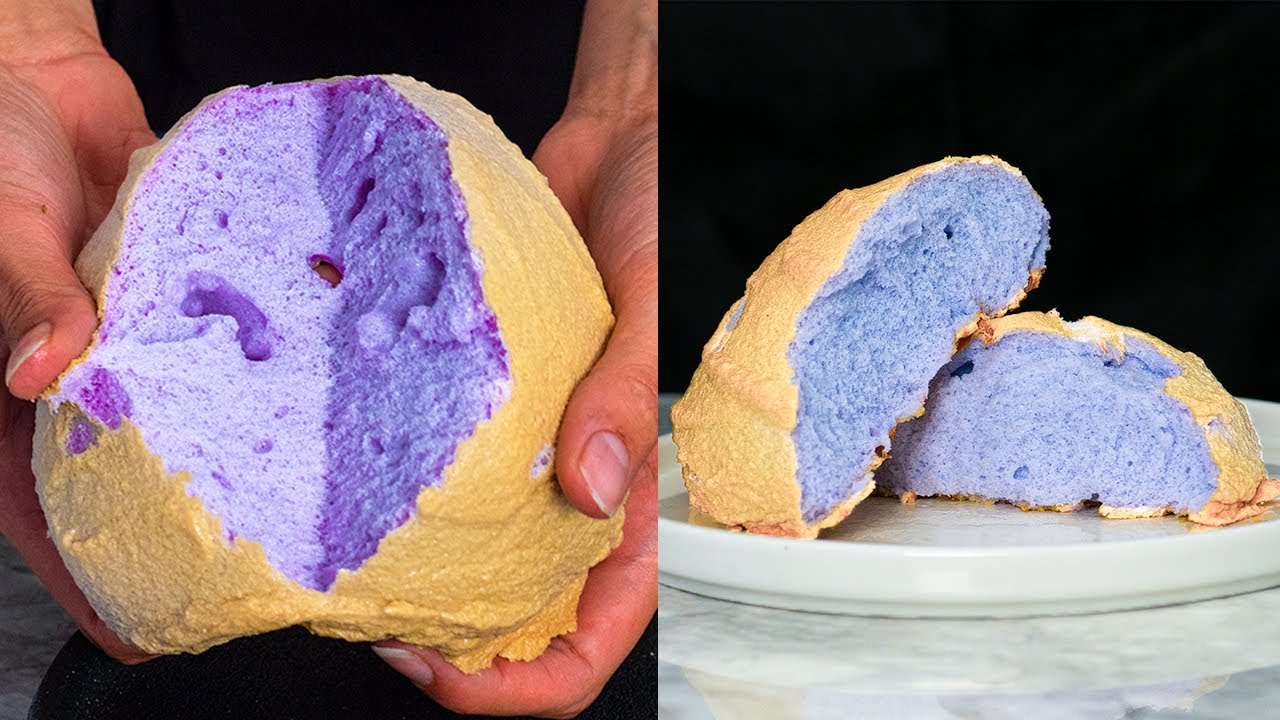
The rise of viral cloud bread began with eye-catching videos shared across social media platforms. Bright colors, fluffy slices, and easy preparation quickly attracted millions of viewers worldwide. Home bakers enjoyed recreating the trend because it required very few ingredients. The recipe also appealed to people looking for healthier alternatives to regular bread.
What Makes Cloud Bread Different from Regular Bread?
Traditional bread relies on flour and yeast to create its structure and texture. Cloud bread uses whipped egg whites, creating an airy consistency without heavy ingredients. It contains fewer carbohydrates and has a much lighter bite than standard bread. While it cannot completely replace sandwich bread, it offers a fun and healthier option for many meals.
Ingredients for the Best Cloud Bread Recipe
The secret to delicious cloud bread is using fresh ingredients and measuring everything accurately. Since the recipe contains only a handful of components, each ingredient plays an important role in creating the final texture. Choosing quality ingredients helps achieve the perfect rise and soft interior. Even beginners can prepare this recipe confidently with minimal effort.
The Classic 3 Ingredient Cloud Bread
A 3 ingredient cloud bread recipe keeps the process simple while delivering excellent results. Egg whites provide structure, cream cheese adds richness, and cornstarch helps stabilize the mixture during baking. Some recipes replace cream cheese with Greek yogurt, depending on personal preference. Each ingredient contributes to the bread’s signature fluffy appearance.
Optional Ingredients for Extra Flavor
You can easily customize cloud bread to suit different tastes and occasions. Vanilla extract works beautifully in sweet versions, while garlic powder and herbs create savory flavors. Food coloring can make the bread more playful for parties or family gatherings. These additions enhance flavor without affecting the bread’s delicate texture.
| Ingredient | Purpose |
|---|---|
| Egg Whites | Creates volume and fluffy texture |
| Cream Cheese | Adds richness and stability |
| Cornstarch | Helps maintain structure |
| Vanilla Extract | Sweet flavor option |
| Garlic Powder | Savory variation |
| Food Coloring | Fun visual appearance |
Kitchen Equipment You’ll Need
Preparing cloud bread requires only a few common kitchen tools that many households already own. Using the right equipment makes the baking process smoother and improves consistency. An electric mixer is especially helpful because whipping egg whites by hand takes much longer. Proper preparation allows you to focus on achieving the perfect texture.
- Mixing bowls
- Electric hand mixer or stand mixer
- Rubber spatula
- Baking tray
- Parchment paper
- Measuring spoons
- Cooling rack
How to Make Cloud Bread
Making cloud bread is straightforward when each step is followed carefully. The key is handling the whipped egg whites gently so they retain their volume. Patience during mixing and baking leads to a beautifully fluffy result. Once you understand the process, you’ll find this recipe easy to repeat whenever you want.
Step 1 : Prepare the Ingredients
Begin by separating the egg whites carefully because even a small amount of yolk can prevent proper whipping. Allow the ingredients to reach room temperature before mixing for better stability. Measure every ingredient accurately to maintain the ideal balance. Preparing everything in advance makes the baking process much more enjoyable.
Step 2 : Beat Egg Whites to Stiff Peaks
Whip the egg whites until stiff peaks form and hold their shape firmly. This step creates the airy structure responsible for cloud bread’s signature softness. Avoid stopping too early because under-whipped whites produce flat bread. Properly whipped egg whites are the foundation of a successful recipe.
Step 3 : Fold Carefully
Gently fold the cream cheese mixture into the whipped egg whites using a spatula. Slow folding keeps as much air inside the batter as possible. Overmixing causes the mixture to collapse and reduces fluffiness significantly. Taking your time here produces much lighter cloud bread.
Step 4 : Shape the Bread
Spoon the mixture onto a parchment-lined baking tray in evenly sized circles. Leave enough space between each portion because they spread slightly while baking. Smooth the tops gently without pressing out the air. Uniform shapes ensure every piece cooks evenly.
Step 5 : Bake Until Golden
Bake the bread in a preheated oven until the tops become lightly golden. The outside should feel slightly firm while the inside remains soft and airy. Avoid opening the oven door frequently because sudden temperature changes may affect the texture. Careful baking creates the perfect balance of softness and structure.
Step 6 : Cool Before Serving
Allow the bread to cool completely before removing it from the baking tray. Cooling helps the structure set and prevents tearing. Freshly baked cloud bread tastes best when enjoyed the same day. It also pairs wonderfully with both sweet and savory toppings.
Expert Tips for a Fluffy Cloud Bread Recipe
Creating a fluffy cloud bread recipe depends more on technique than complicated ingredients. Small adjustments during preparation can dramatically improve the final texture. Understanding these simple baking principles helps avoid common mistakes. Even first-time bakers can achieve impressive results with a little patience.
Use Room Temperature Eggs
Room temperature egg whites whip faster and create greater volume than cold eggs. Better volume results in softer and taller cloud bread after baking. Let the eggs sit outside the refrigerator for about thirty minutes before starting. This simple step improves consistency without adding extra effort.
Beat to Stiff Peaks
The egg whites should form peaks that stand upright without collapsing. Proper stiffness keeps the batter stable throughout the baking process. Under-whipped eggs create flat and dense bread instead of airy clouds. Checking the peaks carefully ensures reliable baking success.
Avoid Overmixing
Fold the ingredients together gently instead of stirring aggressively. Preserving trapped air is essential for achieving a light texture. Slow folding creates beautiful, fluffy bread with minimal effort. Careful handling makes every bite soft and enjoyable.
Common Mistakes to Avoid
Even a simple recipe can produce disappointing results if small details are overlooked. Understanding common mistakes helps you bake with confidence and achieve better consistency. Paying attention to preparation and baking techniques makes a noticeable difference. These tips can save both time and ingredients.
Flat Cloud Bread
Flat cloud bread usually happens when the egg whites are not whipped enough. Soft peaks cannot hold enough air to create the signature fluffy texture. Always continue mixing until stiff peaks stand upright. This extra effort gives the bread its beautiful rise.
Runny Batter
A runny batter often results from overmixing or inaccurate ingredient measurements. Folding too aggressively removes the air trapped inside the egg whites. Use a gentle spatula and slow folding motions throughout the process. Careful mixing preserves the light structure.
Burnt Tops
Cloud bread browns quickly if baked at a high temperature for too long. Every oven heats differently, so check the bread during the final few minutes. A light golden color usually indicates it is ready. Removing it at the right time keeps the inside soft.
Dense Texture
Dense bread usually means the batter lost too much air before baking. Using fresh eggs and proper folding techniques improves the final texture significantly. Patience during preparation produces much lighter bread. Small improvements create consistently better results.
Delicious Cloud Bread Variations
One reason cloud bread remains popular is its versatility. You can easily adapt the recipe for breakfast, snacks, desserts, or light lunches. Different flavors keep the recipe exciting without changing the basic method. Experimenting with ingredients makes every batch unique.

Sweet Vanilla Cloud Bread
Add vanilla extract and a small amount of sweetener for a dessert-style version. Fresh berries or whipped cream make delicious toppings. This variation satisfies sweet cravings while remaining light. It is perfect with afternoon tea or coffee.
Garlic Herb Version
Mix garlic powder, parsley, oregano, or Italian seasoning into the batter before baking. These herbs create a flavorful bread suitable for soups and salads. The savory aroma fills the kitchen beautifully. It also pairs well with grilled chicken or vegetables.
Cheese Cloud Bread
A little grated Parmesan or cheddar adds extra richness and flavor. Cheese creates a slightly crisp exterior while keeping the inside soft. This variation works well as a side dish for dinner. It is especially popular with children and cheese lovers.
Rainbow Viral Cloud Bread
Colorful cloud bread became famous through social media videos. Divide the batter into portions and add different food colors before shaping. Swirling the colors creates an attractive rainbow effect after baking. It is a fun project for birthdays and family baking days.
Is Cloud Bread Healthy?
Cloud bread is often considered a healthier alternative to traditional bread because it contains fewer carbohydrates and no wheat flour. It also provides protein from egg whites while remaining relatively low in calories. However, it should not replace whole-grain bread as a complete nutritional substitute. Instead, enjoy it as part of a balanced diet.
| Feature | Cloud Bread | Traditional Bread |
|---|---|---|
| Main Ingredient | Egg whites | Wheat flour |
| Carbohydrates | Low | Higher |
| Gluten | Gluten-free | Usually contains gluten |
| Protein | Moderate | Moderate |
| Texture | Light and airy | Soft and dense |
| Calories | Generally lower | Usually higher |
Serving Suggestions
Cloud bread is surprisingly versatile and complements many meals. Its light texture works well with both sweet and savory ingredients. You can enjoy it fresh or lightly toasted for added texture. Creative toppings make every serving different.
Try serving it with:
- Scrambled eggs and avocado for breakfast.
- Turkey slices and lettuce for a light lunch.
- Cream cheese and fresh berries as a snack.
- Peanut butter and banana for a healthier treat.
- Soup or salad as a bread alternative.
Storage and Freezing Guide
Proper storage keeps cloud bread soft and fresh for longer. Since it contains moisture, it should be handled differently from regular bread. Storing it correctly also prevents the texture from becoming soggy. A few simple steps maintain its quality.
Refrigeration
Place cooled cloud bread in an airtight container before refrigerating. It usually stays fresh for up to three days. Separate layers with parchment paper if stacking multiple pieces. This helps prevent sticking.
Freezing
Cloud bread freezes well for longer storage. Wrap each piece individually before placing them inside a freezer-safe bag. Frozen bread can last for about two months. Thaw it naturally before serving.
Reheating Tips
Warm the bread briefly in an oven or toaster oven for the best texture. Avoid overheating because it may become dry. Gentle reheating restores softness without affecting flavor. Freshly warmed cloud bread tastes almost freshly baked.
Conclusion
This easy cloud bread recipe proves that delicious baking does not require complicated ingredients or advanced skills. With the right technique, you can create soft, fluffy bread that’s perfect for breakfast, snacks, or light meals. Experiment with different flavors and toppings to make the recipe your own while enjoying a healthier bread alternative. If you enjoy discovering practical recipes and easy cooking inspiration, Samppy is a great place to explore more helpful food ideas and kitchen tips.
Frequently Asked Questions
1. Can I make cloud bread without cream cheese?
Yes. Some recipes use Greek yogurt or mascarpone instead of cream cheese. The texture may vary slightly, but the bread will still be soft and fluffy.
2. Why did my cloud bread collapse after baking?
Cloud bread usually collapses because the egg whites were under-whipped or the batter was overmixed. Gentle folding helps maintain its airy structure.
3. Is cloud bread suitable for a low-carb diet?
Yes. Cloud bread contains significantly fewer carbohydrates than traditional bread, making it a popular option for people following a low-carb lifestyle.
4. Can I freeze cloud bread?
Absolutely. Wrap individual pieces tightly and store them in a freezer-safe bag for up to two months. Thaw before serving and reheat gently if desired.
5. What are the best toppings for cloud bread?
Popular choices include avocado, cream cheese, smoked salmon, peanut butter, fresh berries, honey, scrambled eggs, and herbs. Both sweet and savory toppings work well with its light texture.

Surbhi
@Surbhi | Surbhiithapaa@gmail.com