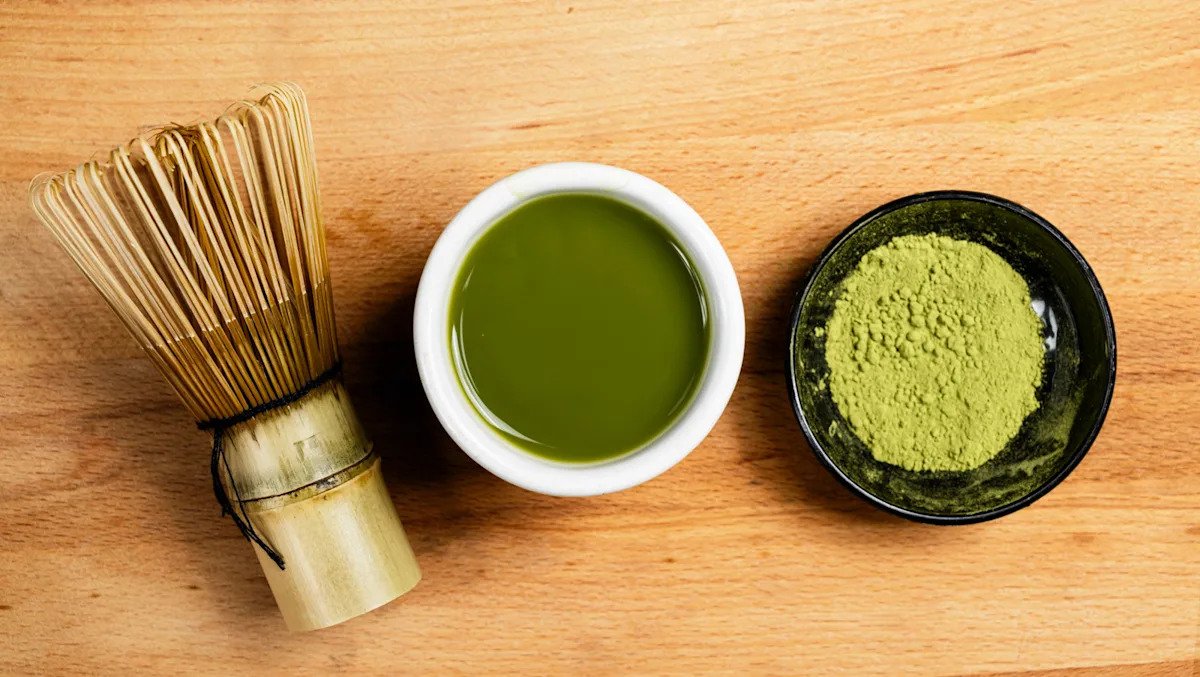
Ceremonial matcha is a premium Japanese green tea powder made from carefully shaded and stone-ground tea leaves. Its naturally sweet flavor, vibrant green color, and smooth texture distinguish it from culinary-grade matcha. The growing matcha trend america reflects increasing interest in wellness, balanced energy, and authentic food experiences. Understanding preparation methods, quality indicators, and health benefits helps consumers choose the right matcha while enjoying its full potential.
Walk into almost any trendy café in America today, and you will likely find matcha on the menu. From iced drinks to traditional tea bowls, this vibrant green powder has become a favorite among wellness enthusiasts, coffee lovers, and social media creators. While matcha itself has existed for centuries, ceremonial-grade matcha has gained special attention because of its premium quality and authentic Japanese roots. As interest in mindful eating continues to grow, ceremonial matcha usa has become a popular search term for people looking to understand this unique tea and decide whether it deserves a place in their daily routine.
What Is Ceremonial Matcha?
Ceremonial matcha is the highest quality green tea powder produced from carefully cultivated tea leaves in Japan. Farmers shade the plants before harvest, which increases chlorophyll, amino acids, and the tea’s vibrant green color. Every step, from harvesting to stone grinding, focuses on preserving freshness and flavor. Its smooth taste makes every cup feel naturally rich and refreshing daily.
What Makes Ceremonial Matcha Different?
Unlike regular green tea, matcha allows you to consume the entire tea leaf in powdered form. Only the youngest and most tender leaves are selected for ceremonial grade, giving it a naturally sweet and creamy taste. The fine texture dissolves smoothly in water without creating a bitter aftertaste. This attention to quality explains why ceremonial matcha is often considered a premium product.
Japanese Origins and Tradition
Ceremonial matcha has deep roots in Japanese tea ceremonies dating back hundreds of years. These ceremonies emphasize mindfulness, hospitality, and appreciation for every moment. Preparing matcha is not simply making tea but following a ritual that encourages calmness and focus. Today, many Americans enjoy this tradition as part of their wellness lifestyle.
How Ceremonial Matcha Is Produced
The production process begins weeks before harvesting, when tea plants are covered to reduce sunlight exposure. This method boosts chlorophyll levels and increases L-theanine, an amino acid responsible for matcha’s smooth flavor and calming effects. After harvesting, the leaves are steamed, dried, and stone-ground into an ultra-fine powder. The result is a bright green tea with exceptional freshness and aroma.
Why Ceremonial Matcha USA Is Becoming a Wellness Favorite
The popularity of ceremonial matcha is more than a passing trend. Americans are increasingly looking for beverages that combine health benefits with enjoyable flavors. Matcha fits perfectly into this lifestyle by offering steady energy, antioxidants, and a mindful drinking experience. Healthy habits inspire millions of Americans to explore premium matcha every day.
The Wellness Movement
Health-conscious consumers are replacing sugary drinks with cleaner, nutrient-rich alternatives. Matcha contains natural compounds that support focus and overall well-being without relying on artificial ingredients. It also fits into many eating plans, including plant-based, gluten-free, and low-sugar lifestyles. This flexibility makes it attractive to people seeking healthier daily routines.
Social Media and Café Culture
Platforms like TikTok and Instagram have helped matcha become visually iconic. Its vibrant green color makes every drink stand out in photos and short videos. Cafés have also expanded their menus with creative matcha beverages, introducing new audiences to traditional Japanese tea. As a result, matcha has become both a lifestyle choice and a social trend.
A Better Alternative to Coffee
Many people enjoy matcha because it delivers energy differently than coffee. Instead of causing a sudden caffeine spike followed by a crash, matcha releases caffeine gradually thanks to L-theanine. This combination promotes sustained focus while helping many people feel calmer throughout the day. Professionals and students often appreciate this balanced energy. For those exploring where matcha fits alongside their regular order, many best coffee chains in the USA now offer their own take on ceremonial-style matcha drinks.
Celebrity and Influencer Appeal
Nutrition experts, fitness coaches, and wellness influencers regularly recommend ceremonial matcha as part of healthy morning routines. Celebrity endorsements and lifestyle content have further increased curiosity about premium Japanese tea. Although social media attracts attention, repeat buyers usually stay because they genuinely enjoy both the taste and the benefits.
| Why Americans Love Matcha | How It Helps |
|---|---|
| Natural energy | Steady focus without sudden crashes |
| Rich antioxidants | Supports overall wellness |
| Beautiful presentation | Popular on social media |
| Coffee alternative | Gentler caffeine experience |
| Japanese tradition | Mindful daily ritual |
Matcha vs Latte Grade: Understanding the Difference
Not every matcha powder is made for the same purpose. Understanding matcha vs latte grade helps buyers choose the right product while avoiding disappointment. The biggest differences involve taste, texture, color, and intended use. Choosing the right grade improves both flavor and overall drinking experience significantly.

Ceremonial Grade Matcha
Ceremonial matcha is designed to be enjoyed with only water. Its naturally sweet, creamy, and slightly umami flavor requires no sugar or milk to taste enjoyable. The powder is finely ground, bright green, and remarkably smooth. This makes it the preferred choice for traditional preparation.
Culinary or Latte Grade Matcha
Latte-grade, often called culinary-grade matcha, has a stronger and slightly more bitter flavor. It performs well when mixed with milk, smoothies, desserts, and baked goods because additional ingredients balance its taste. Although it still provides nutritional value, it is not intended for traditional tea ceremonies. Many cafés use this grade for flavored matcha drinks.
| Feature | Ceremonial Grade | Latte/Culinary Grade |
|---|---|---|
| Best Use | Traditional tea | Lattes and recipes |
| Flavor | Smooth, sweet, umami | Stronger, slightly bitter |
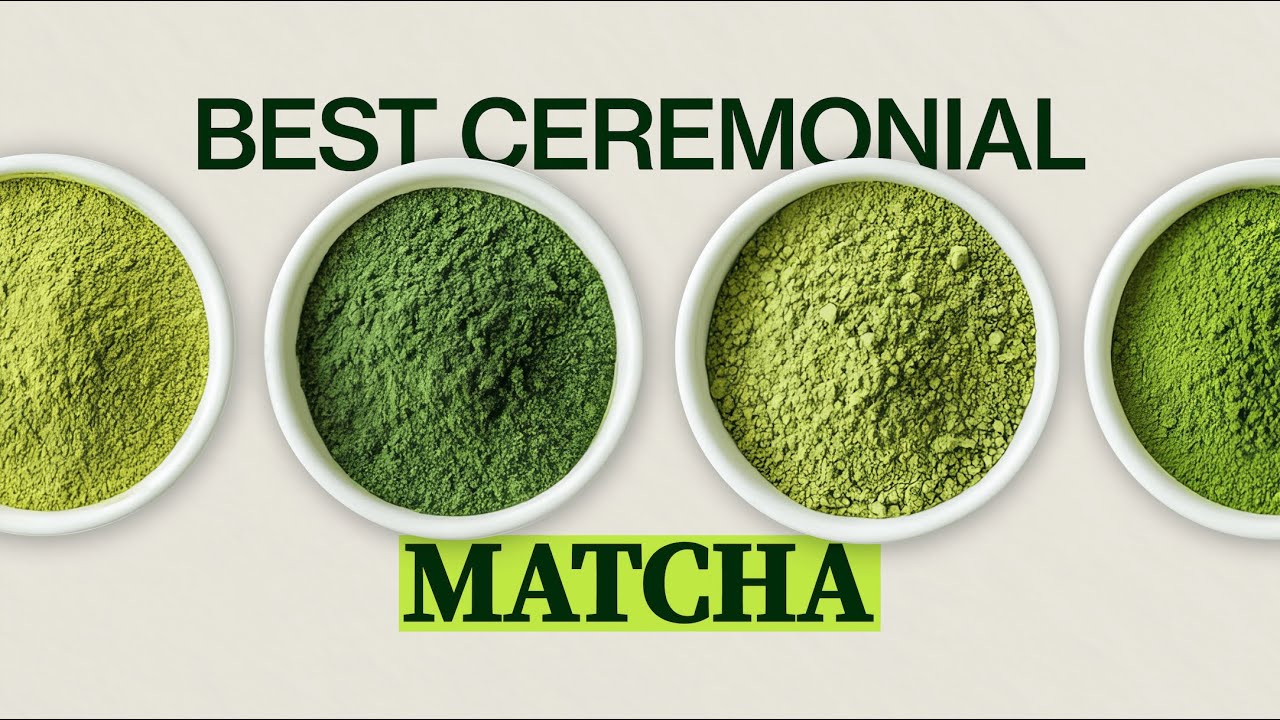
| Color | Bright emerald green | Darker green |
| Texture | Ultra-fine | Slightly coarser |
| Price | Premium | More affordable |
Matcha Health Benefits
One reason matcha continues gaining popularity is its impressive nutritional profile. Since you consume the whole powdered leaf, you receive more beneficial plant compounds than regular brewed green tea. Research continues to explore how these natural components may support overall health. Every serving delivers valuable nutrients without adding unnecessary sugars or calories.
Rich in Powerful Antioxidants
Matcha contains catechins, especially EGCG, which are well-known antioxidants. These compounds help protect cells from oxidative stress caused by everyday environmental factors. While matcha is not a cure for diseases, adding antioxidant-rich foods to a balanced diet can support long-term wellness. Drinking matcha regularly is one simple way to increase antioxidant intake.
Supports Calm Focus
Unlike many caffeinated drinks, matcha combines caffeine with L-theanine. This unique pairing promotes alertness while helping many people avoid feeling overly jittery. It makes matcha a popular choice before work, studying, or creative projects. Many users describe the experience as calm energy rather than nervous stimulation. This effect has been backed by clinical research, a 12-month randomized controlled study found that regular matcha consumption improved emotional perception and sleep quality in older adults with cognitive decline.
Best Matcha Preparation
Preparing ceremonial matcha correctly helps you enjoy its natural sweetness, creamy texture, and smooth finish. You do not need expensive equipment, but using traditional tools can improve both the taste and the experience. Following the proper steps also preserves the delicate flavor of high-quality matcha. Small preparation changes often create a noticeably smoother and richer cup every time.
Traditional Preparation Method
The best matcha preparation starts by sifting one to two teaspoons of matcha into a bowl to remove any small clumps. Heat fresh water to around 175°F (80°C), as boiling water can make the tea taste bitter. Pour a small amount of water into the bowl and whisk quickly in a zigzag “W” motion until a light foam forms on top. Once frothy, your matcha is ready to enjoy without adding milk or sweeteners.
Modern Ways to Enjoy Matcha
While traditional preparation remains the gold standard, many people enjoy matcha in creative ways. Iced matcha, smoothies, and oat milk lattes have become popular choices across America. These drinks make matcha more approachable for beginners while still delivering many of the same nutritional benefits. If you’re using ceremonial grade, however, drinking it plain lets you appreciate its delicate flavor.
Common Mistakes to Avoid
Many first-time users accidentally use boiling water, which creates unnecessary bitterness. Another common mistake is skipping the sifting step, leading to clumps that are difficult to whisk away. Using too much powder can also overwhelm the natural sweetness. Fresh matcha stored in an airtight container will always produce the best flavor and color.
How to Buy Authentic Ceremonial Matcha in the USA
Finding authentic ceremonial matcha can feel overwhelming because many products use marketing terms that sound premium. If you want a curated starting point, our guide to the best matcha brands in the USA breaks down which labels are worth trusting and which ones to skip. Understanding a few quality indicators makes shopping much easier. Reading labels carefully helps you choose a product that delivers the traditional matcha experience. Smart buyers always compare origin, freshness, and ingredient quality before purchasing matcha.
Check the Country of Origin
Authentic ceremonial matcha should come from Japan, where centuries of expertise shape production methods. Regions such as Uji, Nishio, and Shizuoka are especially respected for producing premium matcha. If the label does not clearly mention its origin, consider looking for another option.
Look for Vibrant Green Color
High-quality matcha should appear bright emerald green rather than dull or yellowish. A vivid color usually indicates fresh leaves and careful processing. Older or lower-quality powders often look darker because of oxidation.
Read the Ingredient List
Pure ceremonial matcha contains only one ingredient: stone-ground green tea leaves. There should be no added sugar, flavors, preservatives, or artificial colors. Simplicity is usually a good sign of quality.
Understand the Price
Ceremonial matcha costs more because production is labor-intensive and uses only the finest leaves. Although premium products have a higher price tag, they often provide a smoother taste and better overall experience. Paying a little more can make a noticeable difference.
Is Ceremonial Matcha Worth the Price?
Many first-time buyers wonder whether ceremonial matcha justifies its premium cost. The answer depends on how you plan to enjoy it and what you value most. If you appreciate authentic flavor, traditional preparation, and premium quality, ceremonial matcha offers an experience that lower grades cannot match. Quality ingredients usually provide greater value than cheaper alternatives over time.
Who Should Buy It?
Ceremonial matcha is ideal for people who enjoy drinking matcha with water and want the smoothest flavor possible. Wellness enthusiasts, tea lovers, and those reducing coffee intake often find it worthwhile. Beginners who mainly prepare flavored lattes may prefer culinary-grade matcha until they become familiar with traditional tea.
Daily Value Beyond the Price
Although ceremonial matcha is more expensive than regular tea, each serving requires only a small amount of powder. A single tin can provide many servings, making the cost per cup more reasonable than it first appears. For many drinkers, the combination of taste, ritual, and nutritional value justifies the investment.
Common Myths About Matcha
As matcha becomes more popular, several misconceptions continue to spread online. Understanding the facts helps consumers make informed decisions. Separating myths from reality also improves your overall matcha experience. Reliable information always helps consumers choose products with greater confidence and satisfaction.
Myth: All Matcha Is the Same
Not all matcha powders are created equally. Different grades, harvest methods, and production techniques significantly affect flavor, color, and texture. Ceremonial and culinary grades serve different purposes and should not be treated as identical.
Myth: Matcha Is Just Another Green Tea
While both come from the same plant, matcha is unique because you consume the whole powdered leaf instead of steeping it. This difference results in a richer nutritional profile and a more concentrated flavor.
Myth: More Caffeine Means Better Energy
Many people assume stronger caffeine automatically provides better performance. In reality, matcha’s balanced combination of caffeine and L-theanine often creates smoother, longer-lasting energy than beverages with higher caffeine content.
Key Takeaways
- Ceremonial matcha is the highest-quality Japanese green tea powder.
- It offers a smooth taste, vibrant color, and traditional preparation experience.
- Matcha has become popular in America because of wellness trends, café culture, and social media.
- Ceremonial and culinary matcha serve different purposes and should be chosen accordingly.
- Proper preparation and careful product selection greatly improve the overall experience.
Conclusion
Ceremonial matcha is more than a colorful drink It represents centuries of Japanese tradition combined with today’s focus on healthier living. Its smooth flavor, balanced energy, and impressive nutritional profile explain why it continues to attract tea lovers across the United States. Whether you are replacing coffee or simply exploring premium teas, choosing authentic ceremonial matcha can transform your daily routine into a mindful ritual. As wellness trends continue evolving, ceremonial matcha remains a timeless choice that blends tradition with modern lifestyles. For more insightful food and wellness guides, Samppy encourages readers to make informed choices based on quality, authenticity, and practical knowledge.
Frequently Asked Questions
1. What is ceremonial matcha?
Ceremonial matcha is the highest grade of Japanese green tea powder made from the youngest tea leaves. It is intended for traditional preparation with water rather than mixing into recipes.
2. What is the difference between ceremonial and culinary matcha?
Ceremonial matcha has a smoother, sweeter flavor and is best enjoyed on its own. Culinary matcha has a stronger taste and works better in lattes, smoothies, and baking.
3. Does ceremonial matcha contain caffeine?
Yes. Ceremonial matcha naturally contains caffeine, but it also provides L-theanine, which helps create calm, steady energy instead of the sharp crash often associated with coffee.
4. What is the best way to prepare ceremonial matcha?
Sift the powder into a bowl, add hot (not boiling) water, and whisk in a “W” motion until a light foam forms. This method creates the smoothest flavor and texture.
5. Why has matcha become so popular in America?
Matcha’s popularity comes from its health benefits, balanced caffeine, attractive appearance, café culture, and growing interest in wellness-focused lifestyles. It has become a favorite among people looking for a healthier alternative to traditional coffee.

Surbhi
@Surbhi | Surbhiithapaa@gmail.com