
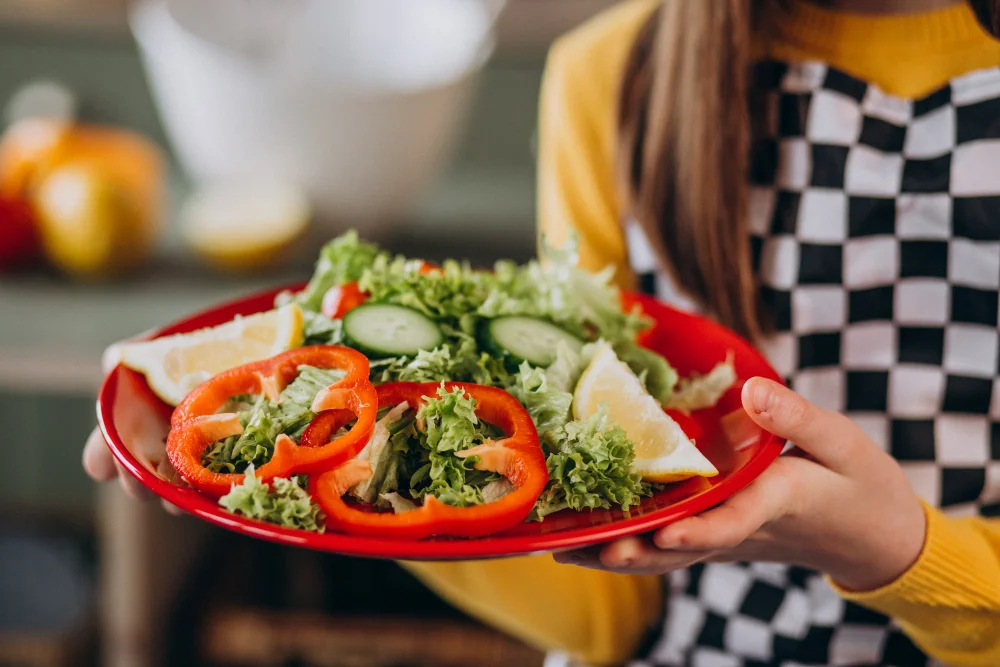
Eating well does not have to be complicated, especially when you understand how easily cooked vegetables can support better health. In this guide, you will discover practical and effective ways to eat healthier with cooked vegetables while keeping flavour, nutrition, and simplicity in perfect balance.
As we explore deeper, you’ll learn how healthier cooked vegetables can fit naturally into your daily routine without stressing your schedule.
1. Boosting Daily Nutrition: Eat Healthier With Cooked Vegetables
One of the most effective ways to improve your diet is by selecting cooking methods that protect vitamins and minerals. When vegetables are heated gently, the cell walls soften, making nutrients easier for the body to absorb.
For example, tomatoes release more lycopene when cooked, and carrots provide better beta-carotene availability. As you explore different approaches, remember that the goal is not to overcook but to use methods that preserve their natural structure.
Mastering these methods helps you enjoy nutrient-rich cooked vegetables without losing their flavor or texture. It also makes it easier to add a variety of vegetables to your meals, supporting a balanced diet and steady energy levels throughout the day.
2. Choosing Healthy Oils and Seasonings for Better Flavor
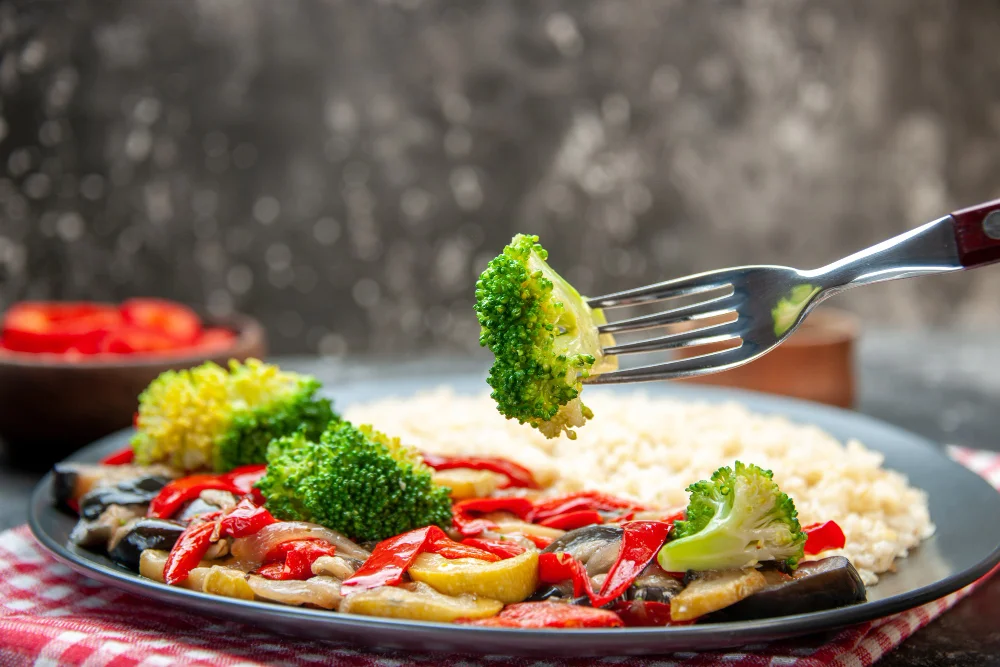
Choosing the right oils and seasonings can significantly enhance the nutritional value of your meals. Light oils such as olive oil help your body absorb fat-soluble vitamins, while seasonings like garlic, turmeric, and black pepper offer natural antioxidant benefits.
When used in moderation, these additions help vegetables stay flavorful without overpowering their natural taste.
This approach also encourages better eating habits because flavorful meals reduce cravings for junk food. Once you begin experimenting with seasonings, your cooked veggies become more exciting, making it easier to maintain a healthy lifestyle.
3. Unlocking the Benefits of Steamed and Sautéed Vegetables
Steaming and sautéing are two reliable cooking techniques that support better nutrition while keeping preparation simple.
Steaming uses minimal heat and water, helping vegetables retain essential vitamins and a natural texture, while sautéing adds light, healthy fats and herbs that enhance flavor and improve nutrient absorption. Together, these methods offer quick, flexible ways to enjoy vegetables in everyday meals.
Key Benefits: Eat Healthier With Cooked Vegetables
• Steamed vegetables help retain water-soluble vitamins
• They support easy digestion and better nutrient absorption
• Sautéing brings out natural sweetness and improves overall flavor
• Both methods work well for busy schedules and simple meal prep
• They allow flexible combinations with grains, proteins, or soups
4. Experimenting With Roasting, Grilling, and Air-Frying
Trying different cooking methods like roasting, grilling, and air-frying can completely transform how vegetables taste while keeping them nutritious. These methods use dry heat or minimal oil, which helps vegetables maintain their natural structure, deepen their flavors, and develop appealing textures.
By experimenting with these techniques, you can enjoy more variety in your meals and make healthier vegetable dishes that fit easily into any lifestyle.
Roasting
Roasting intensifies the natural sweetness of vegetables by caramelizing their sugars, giving them a rich and slightly crispy exterior. This technique enhances the flavor without requiring heavy seasonings or sauces, making it ideal for creating hearty side dishes and meal-prep bowls.
Grilling
Grilling adds a smoky, charred flavor to vegetables that pairs beautifully with both light and hearty meals. The high heat quickly softens vegetables while keeping their vitamins and fiber intact, making this method perfect for outdoor cooking or quick meal additions.
Air-Frying
Air-frying creates a crisp texture similar to deep frying but uses very little oil, making it a healthier alternative for people trying to reduce fat intake. This method cooks vegetables evenly, preserves nutrients, and delivers satisfying crunch without compromising on flavour.
5. Using Cooked Vegetables to Support a Balanced Diet
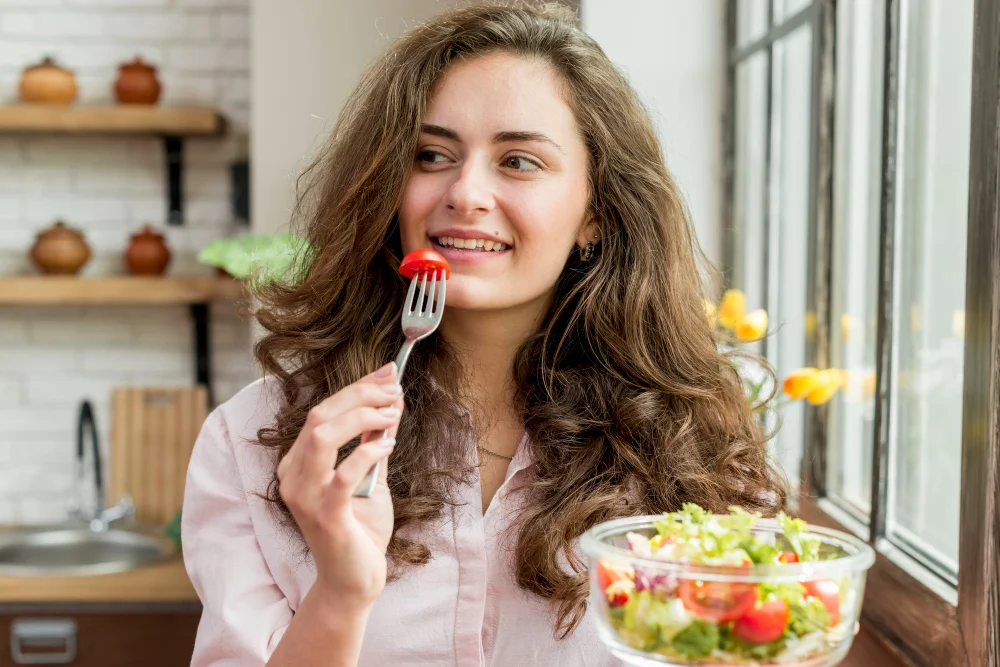
Cooked vegetables are incredibly helpful in creating meals that support a healthier lifestyle. When added to grains, proteins, and soups, they provide vitamins, minerals, antioxidants, and fiber that balance the entire plate.
Their soft textures support smoother digestion and make meals more filling, helping with appetite control. This approach is especially useful for people trying to maintain steady energy levels throughout the day.
With a wide variety of options like spinach, zucchini, carrots, broccoli, and cauliflower, you can easily mix and match vegetables to create vibrant meals. This ensures every plate supports long-term wellness without requiring complicated recipes or expensive ingredients.
6. Retaining Nutrients Through Smart Cooking Choices
Preserving nutrients is one of the main challenges in preparing cooked vegetables, but simple strategies make the process easier. Short cooking times, low-oil methods, and minimal water exposure help protect essential nutrients like vitamin C, folate, and potassium. Choosing methods such as steaming, sautéing, and roasting increases the chances of keeping these vitamins intact.
Nutrient retention also improves when vegetables are cut into larger pieces, cooked with their skins, or lightly sprinkled with herbs instead of heavy sauces. These small adjustments create meals that support heart health, digestion, and immune strength more effectively.
7. Adding Vegetables to Everyday Meals Without Extra Work
One of the best ways to enjoy healthier cooked vegetables is by adding them into dishes you already love. For example, mixing cooked spinach into omelets, tossing roasted vegetables into pasta, or adding sautéed veggies to rice can instantly boost nutrient value.
These small additions make your meals more filling and flavorful without requiring extra effort.
This habit also helps build a long-term vegetable routine without forcing major lifestyle changes. Because the process feels natural and flexible, it becomes easier to stay consistent and enjoy the benefits.
8. Maximizing the Benefits of High-Fiber and Antioxidant Vegetables
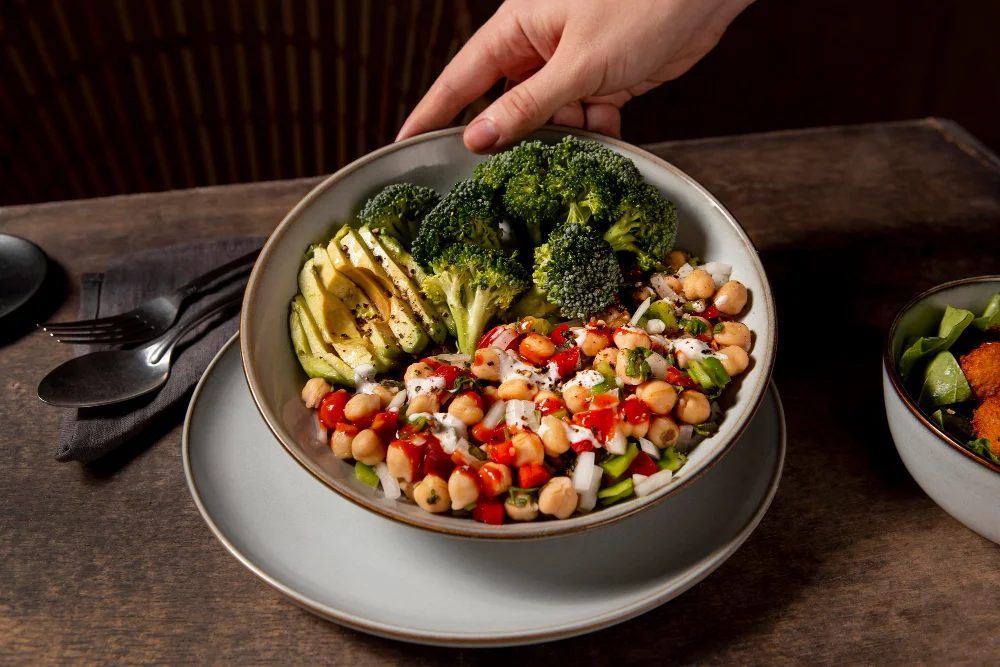
High-fiber vegetables help improve digestion, support gut health, and create long-lasting fullness. Cooked vegetables such as broccoli, kale, carrots, and green beans contain antioxidants that protect the body from oxidative stress.
These nutrients become more accessible when vegetables are lightly cooked, making them easier for the body to absorb.
Key Benefits: Eat Healthier With Cooked Vegetables
• Helps maintain digestive balance
• Supports heart and gut wellness
• Reduces overeating and cravings
• Enhances absorption of beneficial compounds
• Works well with plant-based eating habits
9. Practical Tips: Eat Healthier With Cooked Vegetables
Healthy vegetable cooking does not require complicated recipes; it simply requires the right techniques. Using minimal oil, avoiding high heat, and keeping cooking times short help preserve texture and nutrients.
Adding vegetables at the end of the cooking process in soups or stir-fries also prevents overcooking. These methods support better color retention and more vibrant flavors.
Another important step is choosing fresh, seasonal vegetables that naturally contain higher nutrient levels. This combination of smart cooking and fresh produce helps you enjoy meals that taste great and improve your overall health.
10. Exploring Simple Meal Prep Ideas With Cooked Vegetables
Meal prepping with cooked vegetables is one of the easiest ways to stay consistent with healthy eating. Preparing roasted vegetables in advance, steaming broccoli for the week, or making a sautéed vegetable mix allows you to build quick meals without stress.
This method saves time, reduces the temptation to eat unhealthy foods, and keeps your diet nutrient-rich. As you build this routine, you can mix different vegetables, herbs, and spices to create variety. This helps you avoid boredom and makes your meals more enjoyable, increasing your chance of long-term success.
And if you’re exploring how different foods fit into a balanced lifestyle, you may also find it useful to learn whether treats like ice cream can still be part of healthy eating.
Conclusion: Eat Healthier With Cooked Vegetables
Eating a variety of cooked vegetables becomes easier and more enjoyable when you choose methods that protect flavor and nutrition. Whether you’re steaming, sautéing, roasting, grilling, or air-frying, each technique offers unique benefits that help you build healthier meals.
These approaches support better digestion, improved nutrient absorption, and a richer eating experience. With simple adjustments, you can transform everyday vegetables into delicious, nourishing dishes.
By experimenting with different textures, seasonings, and cooking styles, you naturally increase the amount of vegetables in your diet without feeling restricted. Small changes like using less oil, choosing gentle heat, or adding herbs make a big difference in overall health.