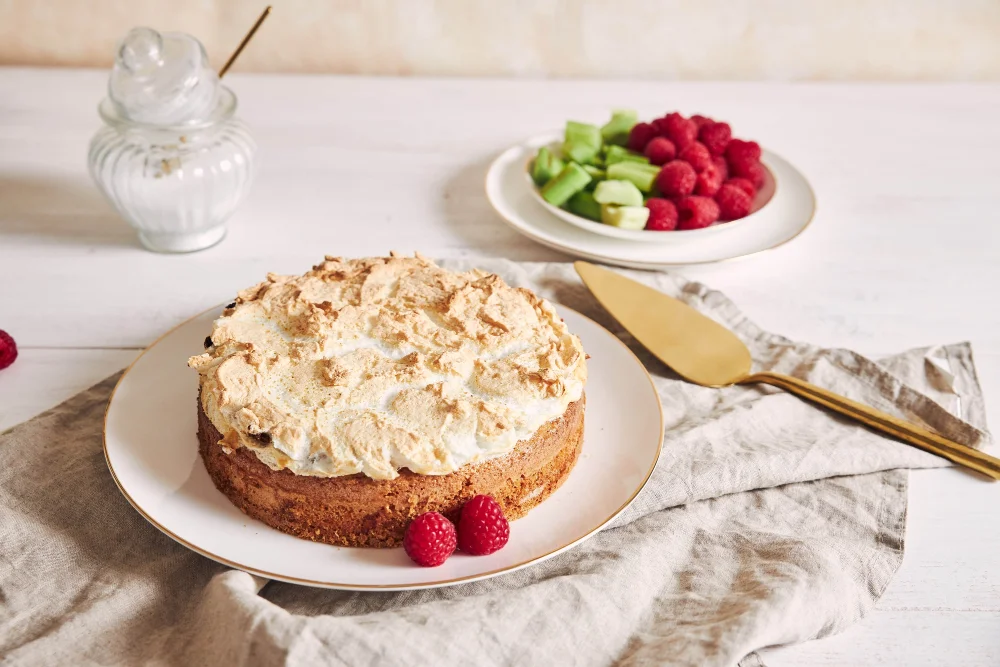
If you have ever dreamed of baking a cake that delivers a slice of tropical sunshine in every single bite, this easy coconut cake recipe will quickly become your ultimate kitchen staple. It yields a crumb that is remarkably soft, naturally fluffy, and deeply infused with a sweet, aromatic coconut fragrance that genuinely melts in your mouth. The standout feature of this recipe? You do not need to be a professional pastry chef or own specialized commercial equipment to master it. All it takes is a true love for comforting desserts and a simple mixing bowl.
Unlike overly complex, traditional scratch cakes that demand exhaustive kitchen techniques, this optimized recipe offers a flawless balance of simplicity, premium flavor, and elegant presentation. Whether you are baking for an intimate family gathering, an elaborate holiday celebration, or a casual weekend brunch, this stunning dessert reliably commands attention.
Why This Easy Coconut Cake Recipe Is So Loved
Coconut-flavored desserts have long been a favorite crowd-pleaser, but many traditional recipes suffer from a common flaw: they rely on excessive synthetic extracts or an overwhelming amount of butter that weighs down the crumb. This particular easy coconut cake recipe solves that problem by introducing natural moisture and flavor directly from full-fat coconut milk and tender shredded coconut flakes.
This specific liquid-to-dry ingredient balance creates a delicate, melt-in-your-mouth texture without pushing the sweetness to an overpowering extreme. Furthermore, a subtle layer of pure vanilla extract beautifully complements the natural tropical fats. The result is a premium dessert that feels remarkably light yet rich, making it highly adaptable for modern dessert spreads.
Key Recipe Highlights
-
Accessible Ingredients: Utilizes standard pantry staples readily available in local grocery stores.
-
Balanced Flavor Profile: Rich and distinctly tropical without an intense, artificial sugary finish.
-
Superior Shelf Life: Retains its exceptional moisture and tender structure for days when stored properly.
-
Modern Adaptation: Highly flexible foundation that accommodates vegan, gluten-free, or dairy-free modifications effortlessly.
The Science of Softness: Essential Ingredients
Every item selected for this easy coconut cake recipe serves a distinct, scientifically proven purpose in the baking process. By understanding how these ingredients interact, you guarantee a bakery-level outcome right from your home kitchen. If tropical flavors are your thing, you’ll also want to try our angel food cake and pie filling recipe, which uses a similarly light, airy approach to achieve a delicate crumb.
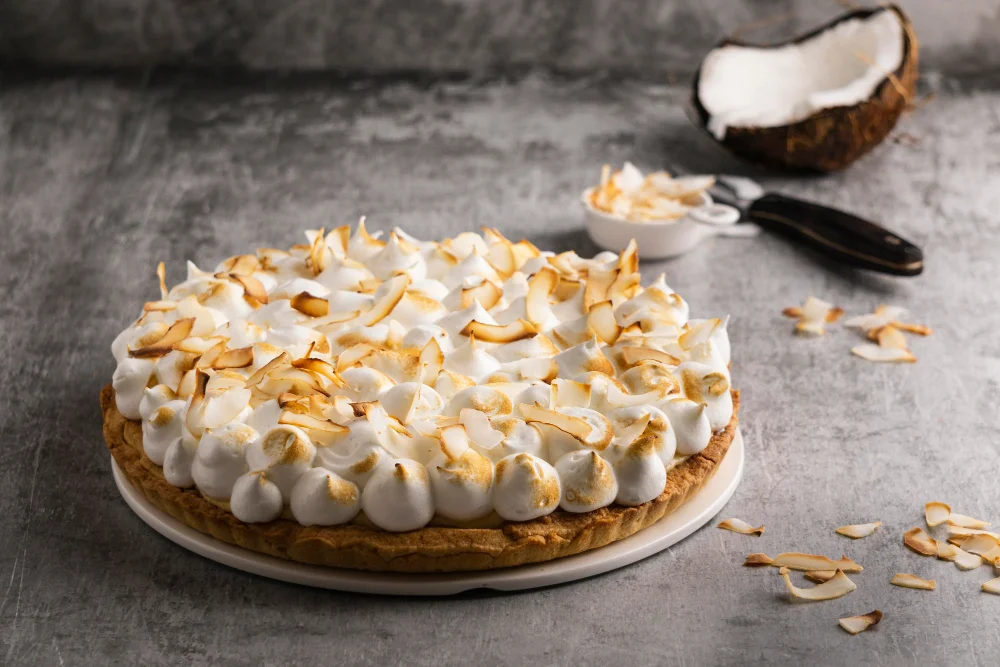
Every ingredient in this easy coconut cake recipe has a purpose. Each adds something unique from structure to sweetness to ensure your cake turns out bakery-level good.
For the Cake Base
-
2 Cups All-Purpose Flour: Establishes the foundational gluten matrix and structural stability.
-
1 Teaspoon Baking Powder + ½ Teaspoon Baking Soda: The ideal dual-action leaveners required to lift the heavy coconut fats evenly.
-
1 Cup Granulated Sugar: Sweetens the batter while retaining essential moisture during the baking cycle.
-
½ Cup Unslated Butter (Softened to Room Temperature): Aerates during the initial creaming phase to yield a velvety, tender crumb.
-
2 Large Eggs: Provides biological binding, structure, and essential lift.
-
1 Cup Full-Fat Coconut Milk: The primary liquid element that infuses rich lipids and deep aroma throughout the batter.
-
1 Cup Shredded Coconut (Finely Ground): Introduces authentic texture and structural interest to the interior crumb.
-
1 Teaspoon Vanilla or Coconut Extract: Rounds out the flavor profiles for a sophisticated, professional finish.
-
¼ Teaspoon Fine Salt: Chemically balances the sweetness and activates the natural flavor compounds.
For the Frosting
- 8 ounces cream cheese – creates a smooth and tangy base
- ½ cup unsalted butter (softened) – adds silkiness
- 3 cups powdered sugar – sweetens and stabilizes frosting
- 1 tablespoon coconut milk – makes frosting smooth
- 1 cup shredded coconut (for topping) – finishes with texture and elegance
Each element has been tested to create a perfectly balanced cake that’s light, fragrant, and satisfying.
Step-by-Step Instructions for Perfect Results
This easy coconut cake recipe follows a simple three-part process: mixing, baking, and frosting.
Prepare the Batter
Preheat your oven to 350°F (175°C). Grease a round cake pan and line it with parchment paper.
In one bowl, whisk flour, baking powder, baking soda, and salt together. In another bowl, beat the butter and sugar until light and creamy. This process known as the creaming method helps trap air, which creates a tender crumb. Add eggs one at a time, followed by the vanilla or coconut extract.
Alternatively, add dry ingredients and coconut milk to the mixture in three parts. Gently fold in shredded coconut using a spatula to avoid overmixing. Overmixing can lead to a dense texture, so stop once the ingredients are just combined.
Bake It Right
Pour the batter evenly into the prepared pan. Bake for 30 to 35 minutes or until a toothpick inserted into the centre comes out clean.
Let the cake cool in the pan for 10 minutes, then transfer it to a wire rack. Avoid covering it immediately to prevent sogginess.
Frost and Decorate
While the cake cools, prepare the frosting. Beat cream cheese and butter together until smooth. Add powdered sugar gradually, mixing well. Finally, pour in the coconut milk and beat until fluffy.
Spread the frosting over the cooled cake using a spatula. Sprinkle shredded coconut on top, or lightly toast it beforehand for extra texture. This final touch turns your cake into a visually stunning and flavorful masterpiece.
Pro Tips for the Best Coconut Cake
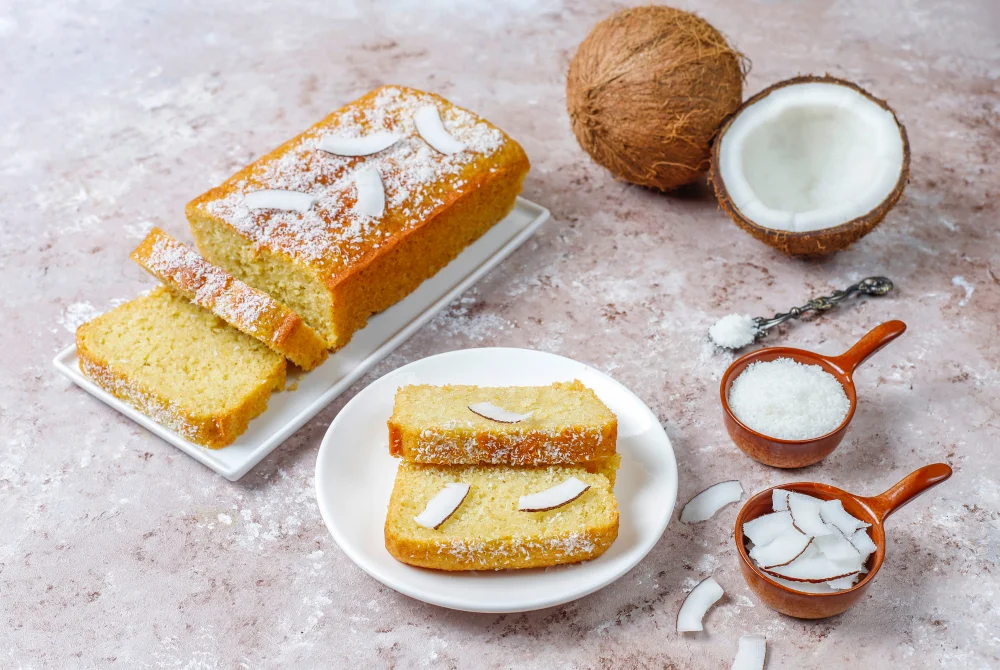
Coconut cakes can sometimes turn dry or crumbly, but a few careful steps ensure perfection. The secret lies in gentle mixing, proper moisture balance, and baking time.
Baking and Flavour Tips
- Use room-temperature butter and eggs for a smoother batter.
- Don’t overmix once the flour is added.
- Add a touch of lemon zest for a light citrus lift.
- Toast the coconut for a richer aroma.
- Brush warm coconut milk over the cake before frosting for extra moisture.
These small techniques guarantee a cake that stays soft, creamy, and flavorful every time.
Delicious Variations You Can Try
Once you’ve mastered the classic easy coconut cake recipe, you can experiment with other versions to suit your taste or dietary needs.
Vegan Coconut Cake
Replace butter with coconut oil, eggs with applesauce, and cream cheese with vegan frosting. You’ll still get a rich, tropical flavor without any dairy or eggs.
Gluten-Free Coconut Cake
Use a gluten-free flour blend and make sure your baking powder is certified gluten-free. The result is a perfectly tender and light texture.
Coconut Pineapple Cake
Add crushed pineapple to the batter for a refreshing tropical twist that pairs beautifully with coconut’s creamy taste.
Coconut Cupcakes
Pour the same batter into cupcake liners and bake for 18 to 20 minutes. These individual cakes are perfect for parties or afternoon treats. If you enjoy single-serving desserts like this, our easy banana muffin recipe is another moist, crowd-pleasing option that works beautifully for the same occasions.
Serving and Storage Tips: Easy Coconut Cake Recipe
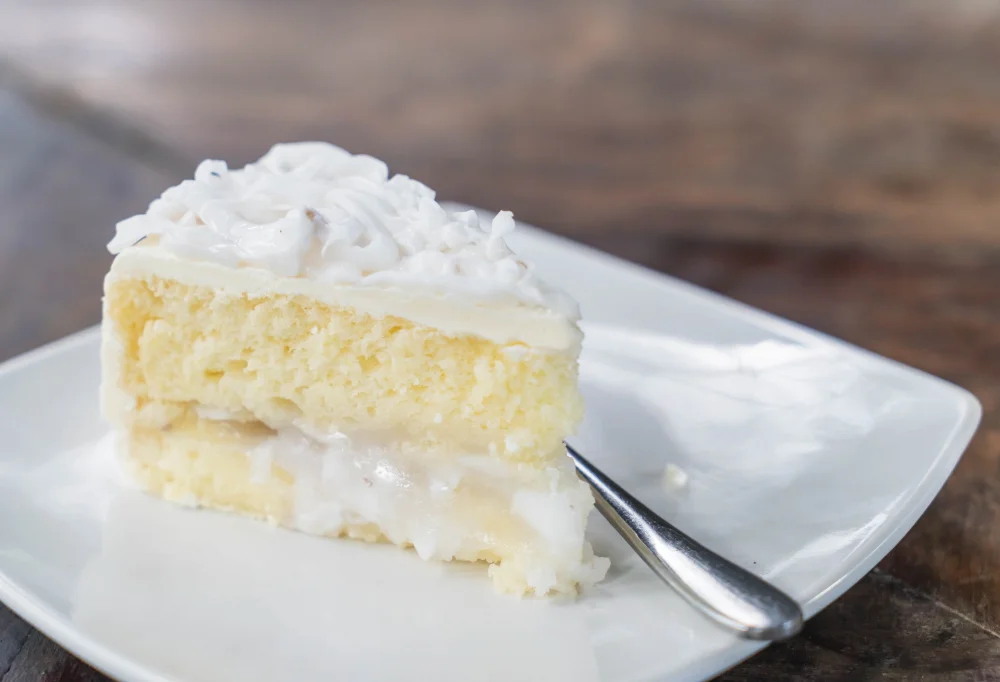
Coconut cake often tastes even better the next day as the creamy frosting and moist sponge have more time to absorb and blend the rich coconut flavours. To preserve its freshness and texture, it’s essential to store it correctly, especially if you plan to enjoy it over several days. Proper storage ensures that every slice stays soft, flavorful, and ready to serve without losing its delightful aroma.
For best results, store the cake in an airtight container in the refrigerator for up to five days. If you’re preparing ahead, wrap unfrosted layers tightly and freeze them for up to two months. At room temperature, the cake keeps well for about 24 hours when properly covered. Before serving, allow it to sit at room temperature for about 20 minutes to restore its soft, fresh texture. For more sweet inspiration to round out your dessert table, check out our roundup of must-try American desserts that pair beautifully with a tropical centerpiece like this one.
Expert Insight: Why This Recipe Always Works
Each step of this easy coconut cake recipe is designed for perfect balance and consistent results. Coconut milk ensures moisture, while the creaming method aerates the butter to make the cake fluffy. For more delicious breakfast inspirations, check out these AIP breakfast ideas
The flavour and structure are calibrated so even beginners can achieve professional-level results without stress.
Why It’s Foolproof & Easy Coconut Cake Recipe
- Coconut milk keeps the cake moist and flavorful.
- Gentle mixing preserves a light crumb.
- Balanced sugar levels prevent heaviness.
- Simple frosting provides a creamy contrast.
It’s called “easy” because it eliminates unnecessary steps while maintaining gourmet quality.
Conclusion: Elevate Your Dessert Game with Samppy
A truly exceptional homemade cake should create genuine excitement well before the very first bite, and this refined recipe delivers that experience flawlessly. By pairing simple baking fundamentals with high-impact, authentic ingredients, you are fully equipped to craft a spectacular tropical centerpiece that easily outperforms any commercial, store-bought alternative.
Whenever you are ready to bring a touch of tropical luxury into your home kitchen, gather your ingredients, preheat your oven, and let this sweet aroma fill your space. For more expert culinary inspiration, trusted kitchen guides, and vibrant lifestyle tips, keep exploring Samppy your go-to destination for elevated everyday living.
FAQs
1. Why did my coconut cake turn out dense instead of fluffy?
A dense texture is almost always caused by overmixing the batter once the flour is added, which overdevelops the gluten proteins. To keep the crumb light and fluffy, use a gentle folding motion with a spatula during the final mixing stages and stop the moment the dry ingredients disappear.
2. Can I use light coconut milk instead of full-fat coconut milk?
While light coconut milk will work structurally, we highly recommend using premium full-fat canned coconut milk. The natural healthy fats found in full-fat coconut milk are critical to achieving the ultra-moist crumb and rich, authentic flavor profile that defines this recipe.
3. Do I have to use sweetened or unsweetened shredded coconut?
You can easily use either depending on your personal taste preferences. Sweetened shredded coconut adds a bit more moisture and a sweeter punch, whereas unsweetened shredded coconut delivers a clean, intensely nutty flavor and allows you to control the sugar levels perfectly.
4. How do I prevent my cream cheese frosting from becoming runny?
To guarantee a stable, pipeable frosting, always use standard brick-style cream cheese rather than spreadable cream cheese tubs, which contain a higher water content. Additionally, make sure your butter and cream cheese are merely softened to room temperature, not overly warm or melting.
5. Can I bake this easy coconut cake recipe in a loaf pan or square pan?
Absolutely! This versatile batter adapts beautifully. You can easily bake it in a standard $9 \times 5\text{-inch}$ loaf pan or an $8\text{-inch}$ square baking pan. Simply adjust your total baking time to roughly 40 to 45 minutes, monitoring the center closely with a toothpick.