
More than 2,900 kilometres of track link Adelaide to Darwin, and the train that covers it carries passengers in cabins with private showers and a dining car serving three-course meals. The Ghan is just one of a small group of trains where the ride matters more than the destination. Luxury rail travel has grown into a niche worth planning carefully, because the difference between a good trip and a great one often comes down to cabin choice, route timing, and knowing what the fare actually includes.
What Makes a Luxury Train Truly Luxurious
Not every train with a white tablecloth qualifies. The journeys that earn the label share a few traits: restored or purpose-built carriages, a low passenger count relative to crew, meals included in the fare, and scenery that rewards slow travel. A sleeper cabin with a private bathroom is a strong signal. So is a dedicated lounge car where passengers gather before dinner.
There is one thing to understand up front. “Luxury” is not a regulated category in rail travel. No official body certifies a train as luxury, so brochures use the word freely. The practical test is simpler: check the crew-to-guest ratio, whether excursions are bundled into the price, and how many nights the train actually spends moving. A train that parks overnight in a siding is a hotel with wheels, which suits some travellers and disappoints others.
The Classic Routes Worth Knowing
Venice Simplon-Orient-Express
Operated by Belmond, this is the most famous name in luxury rail. The train uses restored carriages from the 1920s and 1930s, and its signature run links London and Venice. Dinner in the dining car is a formal affair, and many passengers dress for it. The catch is that the one-night London–Venice trip is short for the price. Travellers who want more time aboard should look at the longer seasonal routings, which change from year to year.
Belmond Royal Scotsman
Scotland’s luxury sleeper runs itineraries of roughly two to seven nights from Edinburgh. It is a slow, intimate train, and the appeal is the Highlands scenery paired with estate visits. Cabins are compact by hotel standards. Anyone used to a large suite should expect a snug berth and treat the lounge car as the living room.
Rovos Rail
South Africa’s Rovos Rail is based in Pretoria and runs a two-to-three-day trip to Cape Town, plus longer cross-continent departures. The carriages are wood-panelled and deliberately old-fashioned. Founded by Rohan Vos, the company built its reputation on formal dining and unhurried pacing. Air conditioning in older carriages can be uneven in extreme heat, so ask about cabin upgrades when booking.
The Ghan
Australia’s transcontinental train covers roughly 2,979 kilometres between Adelaide and Darwin. It is operated by Journey Beyond, and the original Ghan service dates to 1929. The full crossing takes about three nights, with stops in Alice Springs and Katherine. The scenery is the point: red desert, flood plains, and the outback at eye level.
Golden Eagle Trans-Siberian Express
The Moscow–Vladivostok route takes about 15 days, making it one of the longest luxury rail trips on earth. Golden Eagle Luxury Trains operates it, and the itinerary includes stops at Lake Baikal and other points across Siberia. This is a commitment, not a weekend. Visa paperwork, a long packing list, and tolerance for days of steppe scenery are all part of the deal.
Seven Stars in Kyushu
Japan’s entry launched in October 2013 and is run by JR Kyushu. Itineraries run two to four days around Kyushu, with a focus on food, craft, and local hospitality. Cabins are among the most design-forward in the world, and demand is high. Booking opens months ahead and seats sell out quickly, so plan early.
Maharajas’ Express
India’s contribution is operated by the Indian Railway Catering and Tourism Corporation, with several routes including a Mumbai–Delhi circuit. Expect palace-grade interiors, guided excursions, and a pace that packs a lot into each day. It suits travellers who want structure and don’t mind early starts.
Eastern & Oriental Express
Another Belmond train, this one crosses Southeast Asia through Singapore, Malaysia, and Thailand. Service was suspended for a period and later relaunched, so confirm current status and dates directly with the operator before booking. The jungle views from the observation car are the highlight.
Rocky Mountaineer
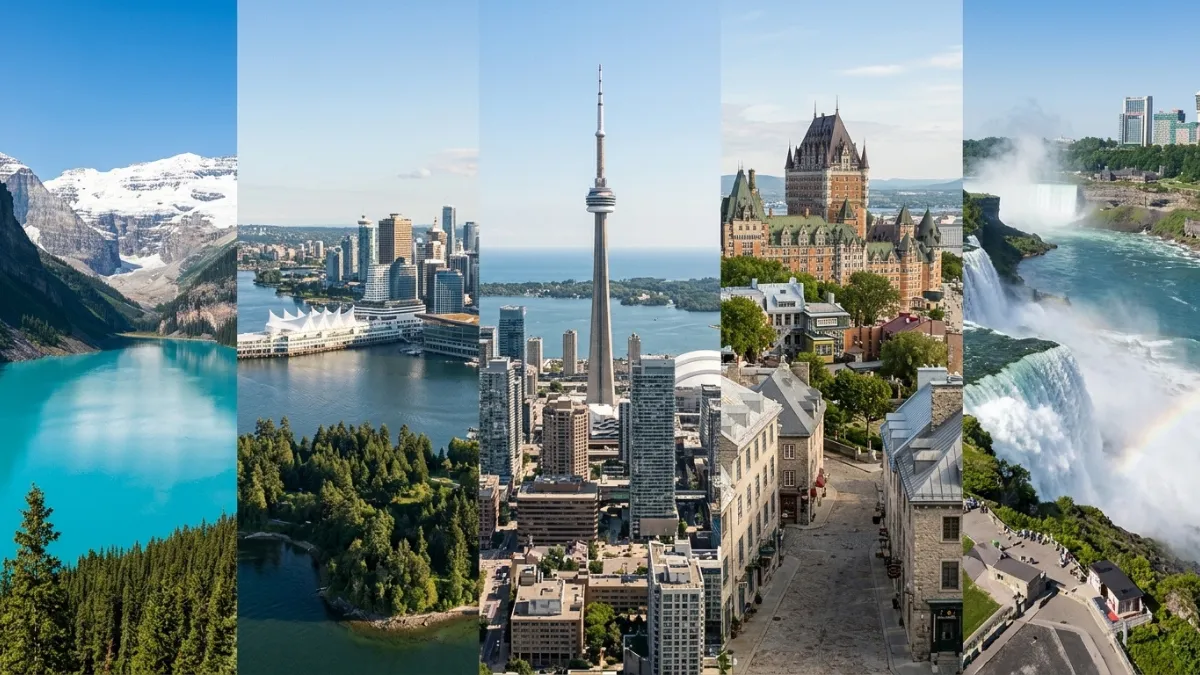
Canada’s Rocky Mountaineer runs Vancouver–Banff and Vancouver–Jasper routes, and it is a day train with no sleeper cabins. Passengers stay in hotels overnight. Service is seasonal, roughly April to October. It is a strong choice for anyone who wants the scenery of the Rockies without spending nights in a berth.
Belmond Hiram Bingham
Peru’s day train runs from Cusco toward Machu Picchu and back. It is short, brunch-and-cocktails style, and best treated as an add-on to a longer Peru itinerary rather than a standalone rail experience.
Comparing the Main Options
| Train | Region | Typical Duration | Overnight Cabins |
|---|---|---|---|
| Venice Simplon-Orient-Express | Europe | 1 night (longer seasonal routes) | Yes |
| Belmond Royal Scotsman | Scotland | 2–7 nights | Yes |
| Rovos Rail | Southern Africa | 2–3 nights and longer | Yes |
| The Ghan | Australia | About 3 nights | Yes |
| Golden Eagle Trans-Siberian | Russia | About 15 days | Yes |
| Seven Stars in Kyushu | Japan | 2–4 days | Yes |
| Maharajas’ Express | India | Multi-night circuits | Yes |
| Eastern & Oriental Express | Southeast Asia | Multi-night | Yes |
| Rocky Mountaineer | Canada | 2 days | No (hotels) |
| Hiram Bingham | Peru | Day trip | No |
How to Choose the Right Trip
Start with time, not destination. A two-night trip and a two-week trip demand different budgets and different levels of tolerance for small spaces. Then match the route to your interest in scenery versus culture. The Ghan and the Rocky Mountaineer are scenery-first. The Maharajas’ Express and Seven Stars lean heavily on excursions and food.
Book directly with the operator where possible. Third-party resellers sometimes add markup without adding service, and changes are easier to handle with the company that runs the train. Confirm what the fare includes in writing: meals, drinks, excursions, transfers, and gratuities vary widely between operators.
Consider the season carefully. Peak summer departures cost more and sell out first, but shoulder-season travel often brings better light for photography and fewer crowds at excursion stops. For a broader sense of where to go and when, a list of the top places to visit in 2027 around the world can help you line up a rail trip with a wider itinerary.
Practical Tips That Actually Help
Pack for small spaces. Cabin storage is limited on almost every sleeper train. Soft bags beat hard cases, and a hanging toiletry kit saves arguments in a shared bathroom.
Bring layers. Carriage heating and cooling are imperfect on heritage stock. A light jumper and a scarf solve most temperature problems.
Dress for dinner. Several trains enforce a jacket or smart-casual code in the dining car. Check before you pack, because a formal night with the wrong clothes is an avoidable stress.
Plan for motion. Light sleepers should request a cabin mid-train, away from the locomotive and the couplings. Earplugs and an eye mask are worth the small space they take up.
Book excursions early. Popular add-ons such as wine tastings and private museum tours fill up before departure. If a trip includes a once-in-a-lifetime stop, reserve it at the time of booking.
Check visa and entry rules. Long routes like the Trans-Siberian cross multiple borders, and requirements change. Build in buffer time before departure.
Common Mistakes First-Time Riders Make
The most frequent error is assuming every train offers the same level of service. A day train with plush seats and a glass-domed roof is a different product from a sleeper with a private shower, even when both are marketed as luxury. Read the itinerary line by line.
The second mistake is underestimating how much time is spent on board. On a 15-day route, several days are pure transit. Travellers who need constant activity should choose shorter itineraries with frequent stops.
The third is overlooking the total cost. Fares often exclude flights, pre- and post-trip hotels, and gratuities. A trip that looks expensive can look far more so once transfers and tips are added.
Finally, many people book the rail leg first and the rest of the trip second. It usually works better the other way around. Rail departures are fixed; everything else can flex. If the train trip is part of a longer holiday, pair it with a city stay. Guides such as this one on how to find the best hotels in San Diego show how a well-chosen base makes the days around a departure far easier.
What the Experience Is Really Like
First-hand accounts from regular riders tend to repeat the same points. The food is better than expected. The cabins are smaller than expected. The social side of the lounge car is the surprise highlight, because passengers on these trains tend to be well travelled and happy to talk.
Service standards are high but not identical across operators. Heritage carriages bring charm and occasional mechanical quirks. Modern stock brings reliability and less atmosphere. Neither is wrong; they are different products.
For travellers building a wider wardrobe and packing list around a formal rail trip, resources like this guide to old money aesthetic outfits for timeless style offer practical direction on dressing for dining cars without overpacking. The same logic applies to luggage: fewer, better pieces always win.
Conclusion
The best luxury train trip is the one that matches your available time, your tolerance for small cabins, and your appetite for either scenery or culture. The Ghan and the Rocky Mountaineer reward scenery lovers. The Venice Simplon-Orient-Express and Royal Scotsman suit travellers who want atmosphere and formality. The Trans-Siberian is for anyone with two weeks and a sense of adventure. Book directly, confirm what the fare covers, pack light, and treat the train itself as the destination rather than the transport. Done that way, a rail trip delivers something no flight can: the feeling of moving through scenery slowly enough to actually see it.
Frequently Asked Questions
How much does a luxury train trip cost?
Prices vary enormously by route and cabin class. Short day trains cost far less than multi-night sleepers, and the longest itineraries such as the Trans-Siberian sit at the top of the range. Fares usually include meals and some excursions but often exclude flights, hotels, and gratuities. Always request a full inclusions list in writing before paying a deposit.
Which luxury train trip is best for a first-timer?

A two-to-three-night trip is the safest introduction. South Africa’s Rovos Rail and Australia’s The Ghan both offer manageable durations, clear pricing, and a good balance of time on board and time off. A single night on the Venice Simplon-Orient-Express is memorable but short, and many first-timers wish they had booked a longer routing.
Do luxury trains have private bathrooms?
Most multi-night luxury sleepers offer cabins with en-suite facilities, though the size varies. Older heritage carriages sometimes have shared bathrooms at the end of the corridor. If a private bathroom matters, confirm it for the specific cabin category rather than the train in general, because the cheapest cabin on a given train may not include one.
When should I book?
Book as early as possible, especially for the Seven Stars in Kyushu and peak-summer departures on European routes. Popular cabin categories sell out months ahead. Booking early also gives more time to arrange visas, flights, and pre-trip hotels, which reduces stress and usually lowers the total cost of the trip.
Are luxury train journeys suitable for solo travellers?
Yes, and many operators cater to them with single-occupancy cabins, though supplements can be steep. The social format of the lounge and dining cars makes solo travel easier than on many other types of holiday. Ask about single supplements and shared dining tables when you enquire, since policies differ between operators.
What should I pack for a multi-night train trip?
Soft luggage, layers, comfortable shoes for excursions, and one smart outfit for the dining car cover most situations. Bring any medication in carry-on bags rather than checked luggage. A small day bag is useful for stops, and earplugs help with the noise of moving carriages at night.